
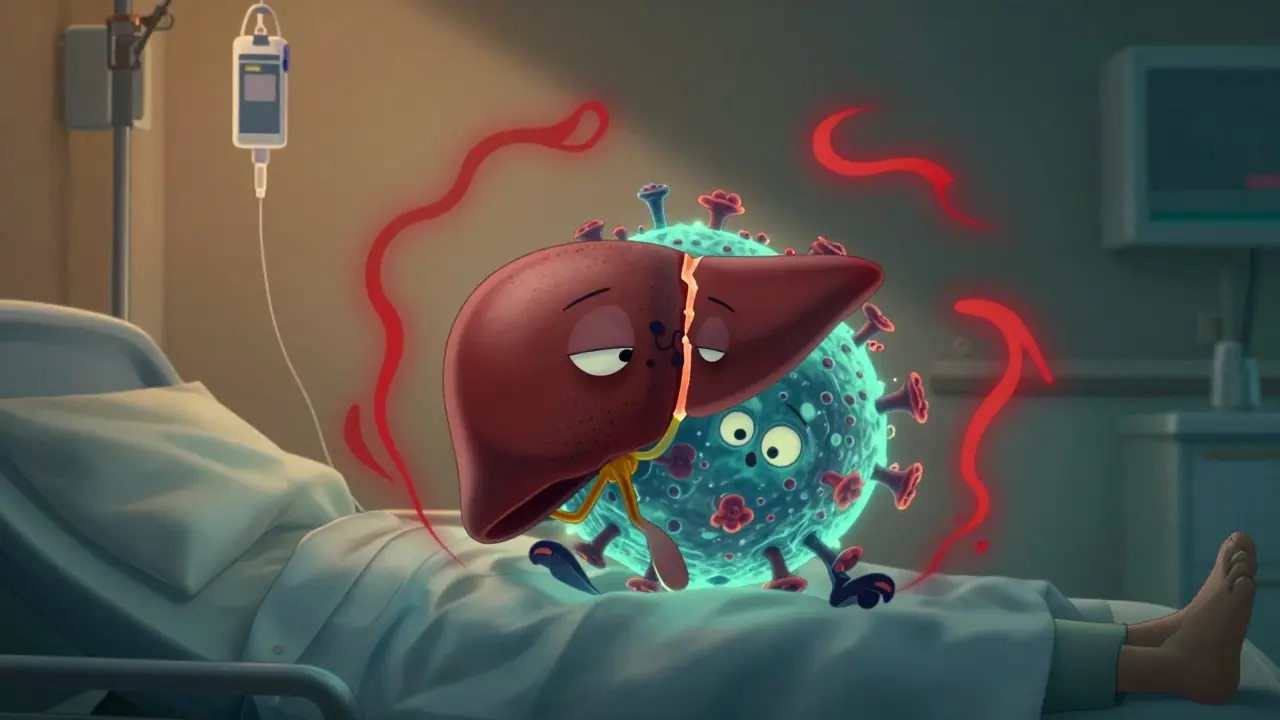
When someone starts chemotherapy or a biologic like rituximab for cancer or rheumatoid arthritis, the last thing on their mind is their liver. But for people who’ve had hepatitis B in the past-even if they feel fine-these treatments can wake up a sleeping virus. That’s HBV reactivation, and it’s not rare. It can turn a routine treatment into a life-threatening liver crisis.
What Exactly Is HBV Reactivation?
Hepatitis B virus (HBV) doesn’t always disappear after infection. In about 5-10% of adults, the immune system clears the virus completely. But in others, especially those infected as children, the virus hides in the liver. It’s inactive, silent, and harmless-until something weakens the immune system. That’s when reactivation happens. The virus wakes up, starts copying itself, and attacks the liver. Blood tests show a sudden spike in HBV DNA. Liver enzymes like ALT and AST rise. The patient gets jaundice, fatigue, nausea-and in severe cases, acute liver failure. Without treatment, 5-10% of these cases are fatal. It’s not just about being HBV-positive. Even people who’ve cleared the virus (HBsAg-negative but anti-HBc-positive) are at risk. Their immune system used to keep HBV in check. But when immunosuppressive drugs shut down that defense, the virus can come back.Which Treatments Carry the Highest Risk?
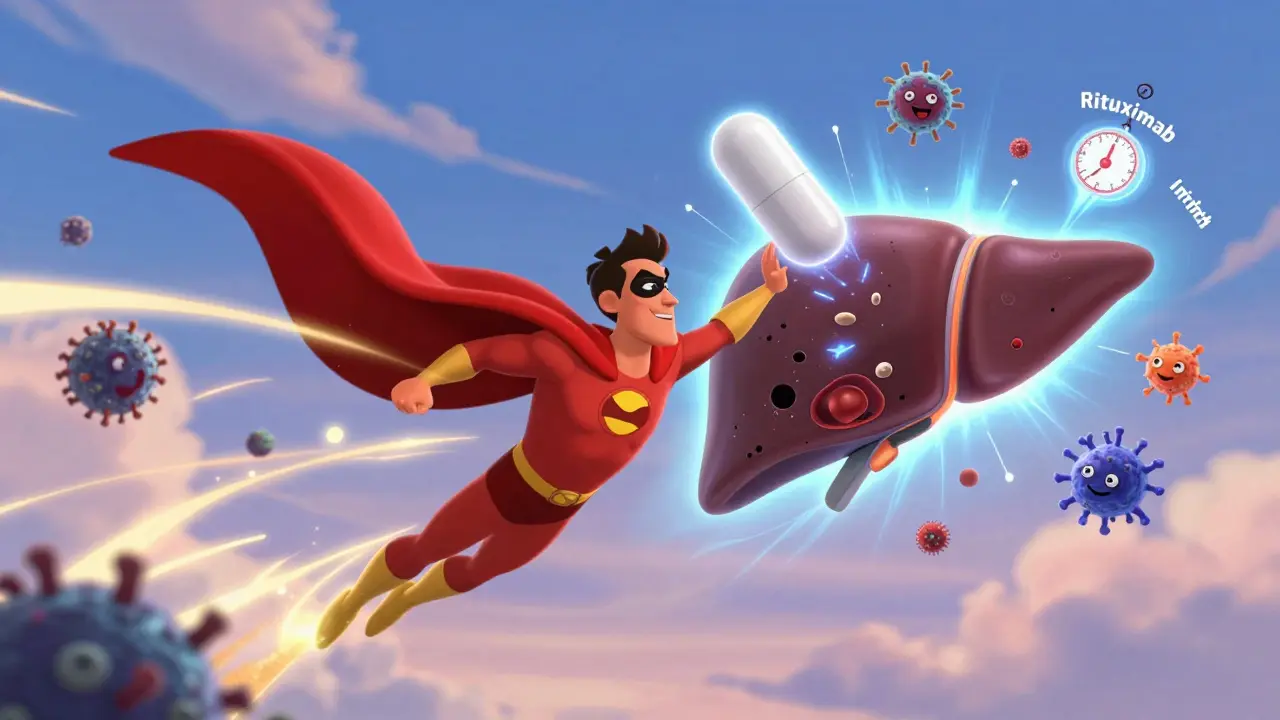
Not all drugs are created equal when it comes to triggering HBV reactivation. Some are high-risk, others low. The difference isn’t subtle-it’s life or death. High-risk drugs (20-81% reactivation risk):- Anti-CD20 monoclonal antibodies like rituximab and ofatumumab
- Anthracycline-based chemotherapy (used for lymphoma and breast cancer)
- Hematopoietic stem cell transplants (both autologous and allogeneic)
- Conventional chemotherapy without high-dose steroids
- TNF-alpha inhibitors (like infliximab for Crohn’s or rheumatoid arthritis)
- Tyrosine kinase inhibitors like ibrutinib
- Transarterial chemoembolization (TACE) for liver cancer
- Non-cytotoxic targeted therapies (like some hormone blockers)
- Non-TNF biologics (like IL-6 inhibitors)
- Most radiation therapy
Checkpoint Inhibitors: The New Wild Card
Immunotherapy drugs like pembrolizumab and nivolumab (PD-1 inhibitors) are changing cancer treatment. They work by revving up the immune system to attack tumors. But that same mechanism can backfire in people with hidden HBV. A 2019 study in Hepatology followed 24 HBsAg-positive cancer patients on PD-1 inhibitors who weren’t on antivirals. 5 of them (21%) had HBV reactivation. Some developed severe hepatitis. The scary part? Their HBV DNA was undetectable before treatment. No warning signs. No red flags. This means doctors can’t assume that low viral load equals low risk. Even patients who were "cleared" can relapse. Guidelines now say: if you’re HBsAg-positive and starting checkpoint inhibitors, you need prophylaxis-no exceptions.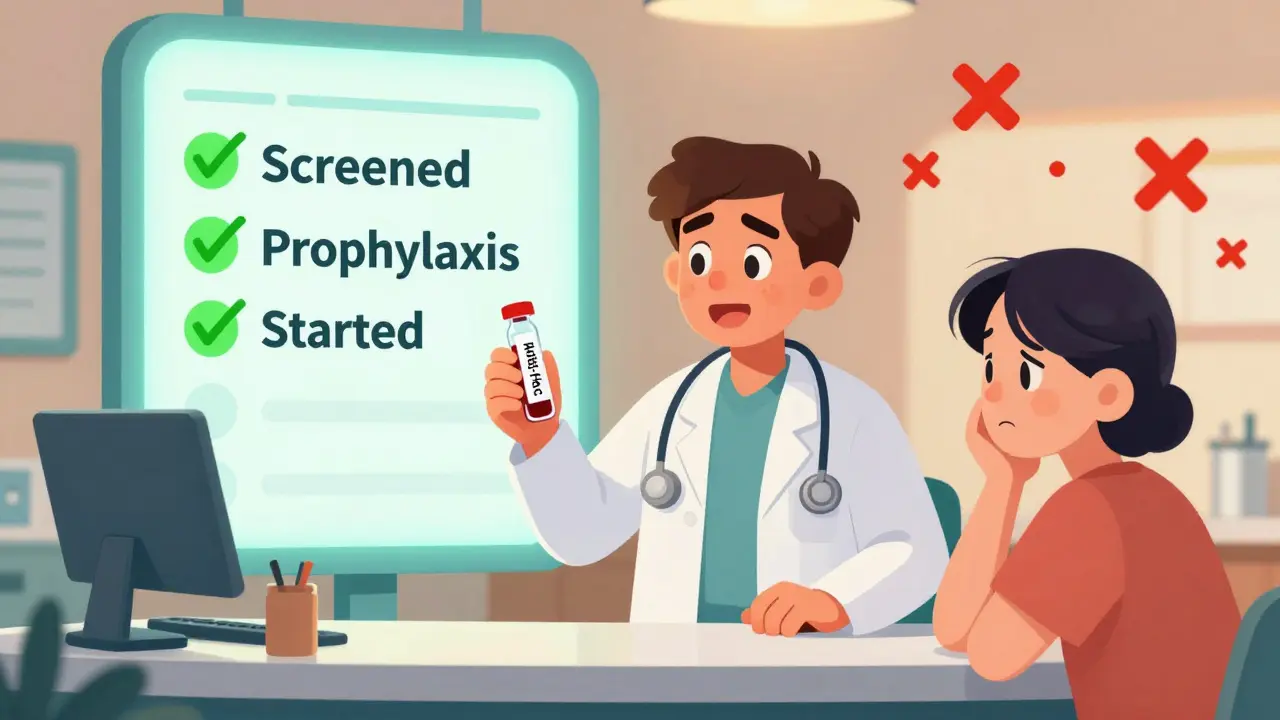
Screening: The Simple Step That Saves Lives
The best way to prevent HBV reactivation? Know who’s at risk before you start treatment. The standard test is simple: two blood tests.- HBsAg: Tells you if the virus is currently active.
- Anti-HBc: Tells you if you’ve ever been infected.
Prophylaxis: The Right Drug, the Right Time
If you’re at risk, you need antiviral medication before you start immunosuppressive therapy. The two go-to drugs are tenofovir and entecavir. Both are powerful, safe, and taken as one pill a day. They suppress HBV replication so well that reactivation rates drop from 40-70% to under 5%. Timing matters.- Start antivirals at least 1 week before chemotherapy or biologics.
- Keep taking them during treatment.
- Continue for at least 6 months after treatment ends-for high-risk drugs, go up to 12 months.
Why Are So Many Patients Still at Risk?
The science is clear. The guidelines are solid. So why do people still die from preventable HBV reactivation? Because implementation is broken. A 2020 survey in Oncology found that only 58% of community oncologists screen patients before starting chemo. At academic centers? 89%. That’s a huge gap. One reason? Many doctors don’t think it’s their job. "That’s the hepatologist’s problem," they say. But hepatologists don’t see these patients until it’s too late. Another reason? Lack of systems. No automated alerts in electronic health records. No checklist built into the prescription flow. No one reminding the nurse to order the test. UCSF solved this by adding mandatory HBV screening alerts to their EHR. Their reactivation rate dropped from 12.3% to 1.7% in just five years. A case in Hepatology Communications tells the rest of the story: a 52-year-old man with lymphoma got rituximab. No screening. No prophylaxis. He died of liver failure two months later. His family sued. The hospital settled.What’s Changing Now?
The field is evolving fast. In 2022, a major study in the New England Journal of Medicine showed that 6 months of antiviral prophylaxis after treatment is enough for most patients. That’s half the time previously recommended. It reduces side effects, cost, and pill burden. Point-of-care tests are coming. The OraQuick HBV rapid test, expected to be FDA-approved in late 2023, could give results in 20 minutes during a clinic visit. Imagine screening a patient right before their first chemo appointment. Big tech is getting involved too. In January 2023, Tempus Labs partnered with Gilead Sciences to include HBV status in their genomic cancer reports. If your tumor is being analyzed for mutations, your HBV status will be flagged too. And the market is growing. The global HBV screening market will hit $612 million by 2027. Why? Because lawsuits, deaths, and regulatory pressure are forcing hospitals to act.What Should You Do?
If you’re about to start any of these:- Chemotherapy
- Rituximab, ofatumumab, or similar biologics
- Stem cell transplant
- Checkpoint inhibitor therapy
- TACE for liver cancer
The tools are here. The evidence is clear. The only thing missing is consistent action.


This is such a bullshit oversight. People die because doctors are too lazy to order two blood tests? I got my knee replaced last year and they didn’t even ask if I’d ever had hepatitis. What the actual fuck.
It’s staggering how medicine still operates on reactive protocols rather than preventive ones. We have the tools, the science, the cost-benefit analysis - yet we wait for someone to go into liver failure before we acknowledge that screening is not optional. The silence around this isn’t negligence; it’s a systemic failure of imagination. We treat cancer like a battle to be won with firepower, but forget that the body’s own defenses are fragile ecosystems - and we’re the ones pulling the trigger without checking the ammo.
I had a cousin go through rituximab and they skipped screening because she "felt fine." Two months later she was in ICU. This isn’t theoretical - it’s happening to people we know. Please, if you’re starting anything immunosuppressive, just get tested. It’s 5 minutes and it could save your life.
Screening = free life insurance. Do it.
i just found out my dad had hbv years ago and never told anyone… he’s on infliximab now and i’m freaking out. is it too late to ask his doc to test him? i dont wanna lose him over something so simple 😔
so let me get this straight - we spend billions on fancy new cancer drugs but can't be bothered to run a $20 test that prevents liver failure? classic. in india we call this "doctor ki galti" - when the doctor thinks he's too smart for basic checks. meanwhile patients are dying because someone forgot to click "order labs"
Wait - so if you’re anti-HBc positive and on checkpoint inhibitors, you’re basically playing Russian roulette with your liver? And the docs don’t even tell you? 🤯
Oh wow, so Americans are too dumb to get tested? That’s why we’re behind Europe and Japan on this. In Germany, they screen everyone before chemo. Here? We wait for the obituary. Typical. Also, why are we letting Big Pharma profit off this? They could’ve pushed screening for years - but why bother when they make billions off transplants?
My uncle got rituximab in 2018. No screening. No warning. He went from golfing on Saturday to on a ventilator by Wednesday. They didn’t even know he had HBV until his liver was turning to mush. This isn’t science - it’s a tragedy waiting for a headline. And now they want to cut costs? Fuck that. We need mandatory screening. Like, now.
just a quick note - if you’re on entecavir or tenofovir, don’t skip doses even if you feel fine. i had a patient who stopped after 3 months because "the doc said 6 months" - turned out the doc meant 6 months after treatment ended, not started. she ended up with reactivation. always double check the timeline. and yes, the pills are boring but they’re your lifeline.
Ohhh so that’s why my oncologist asked if I’d ever had hepatitis - I thought he was just being extra. Turns out he’s one of the 89% who actually give a shit. Props to him. Meanwhile my cousin’s doc in Texas? Didn’t even blink. She’s in the hospital now. This isn’t rocket science. It’s basic human care.
Why are we still talking about this? It’s 2024. We have AI, self-driving cars, and apps that tell you when to pee - but we can’t automate a blood test? This is why I hate American healthcare. If this was China or Sweden, they’d have a robot doing this test before you even sit down.
lol imagine being so focused on killing cancer that you forget your patient might die from a virus they didn’t even know they had. classic. also, i’m 37 and never knew i had hbv until i got tested before my biologic. now i’m on tenofovir for life. thanks, medicine.
HBV reactivation? Please. Most people who get this are just bad at hygiene. Why not just tell them to wash their hands? Also, why are we giving antivirals to everyone? It’s just viral capitalism. Let nature take its course.