

Medication Risk Profile Checker
Analysis Results
Recommended Actions:
- Waiting for input...
Quick Summary
- Not all medications are regulated equally: Prescription and OTC drugs undergo strict testing, while supplements often do not.
- Generic vs. Brand: Active ingredients match, but inactive fillers can trigger reactions in sensitive people.
- Narrow Therapeutic Index drugs: Small changes in these meds (like Warfarin) can lead to serious health risks.
- Natural doesn't mean safe: Herbal remedies can interact dangerously with prescription treatments.
- Actionable step: Always review inactive ingredient lists when switching between medication sources.
We often think of medicines as purely chemical things that come in little bottles. But the reality is much more complicated than just "take this pill, get better." When you look under the hood of your medicine cabinet, you'll find distinct categories of treatment options, each carrying its own unique risk profile. It's not just about whether the drug works; it's about how your body reacts to it. Sometimes, the thing you trust most-the natural supplement sitting on your shelf-is actually the one causing the trouble. On the other hand, a cheap generic version of your heart medication might be perfectly fine for one person but cause digestive issues for someone else simply because of the white powder inside the tablet.
This distinction matters because side effects aren't random accidents. They are predictable reactions based on the class of medication, the regulatory standards it met before hitting the market, and even the tiny filler ingredients used to make the pill hold together. Understanding these differences empowers you to spot problems early rather than suffering through them thinking it's just part of having an illness.
The Three Major Medication Buckets
To understand where side effects come from, you first need to categorize what you are taking. Most health experts break medications down into three primary groups. Each group has different rules regarding safety, labeling, and oversight.
First, there are Prescription Drugs which are medications that require a healthcare provider's order due to potential side effects and interaction risks. These go through the rigorous approval process managed by bodies like the U.S. Food and Drug Administration (FDA). The agency requires extensive clinical trials proving the drug does more good than harm before anyone can buy it. Even then, they monitor for long-term side effects after the drug is released.
Second, we have Over-the-Counter (OTC) Medications like ibuprofen or acetaminophen. You don't need a doctor to get these, which makes them convenient. However, convenience can sometimes lead to complacency. People often underestimate these because they are easy to access. Yet, taking too much acetaminophen can damage the liver just as severely as prescription painkillers can. The regulatory bar is slightly lower here because they are generally considered safer for occasional, short-term use, but that safety margin disappears quickly if misused.
Finally, and perhaps most confusingly for consumers, there are Complementary Medecine products including herbal remedies, vitamins, and minerals. Unlike prescription drugs, these fall under the Dietary Supplement Health and Education Act of 1994. This law does not require pre-market approval for safety or effectiveness. Manufacturers essentially self-certify their product. While many are harmless, this lack of oversight means you might be taking something contaminated or lacking the active ingredient promised on the label. If a new herb shows up causing asthma attacks or allergic rashes, the regulatory net often catches it much slower than it would for a pharmaceutical drug.

The Generic vs. Brand Debate
A common point of confusion involves brand-name versus generic medications. You might have heard the rule of thumb that generics are exactly the same as brands. Scientifically, they must contain the exact same active ingredient. For instance, if you switch from brand-name Lipitor to generic atorvastatin, the molecule lowering your cholesterol is identical. The FDA requires that absorption rates fall within an 80-125% bioequivalence range of the brand name.
However, the "inactive ingredients" are where the story gets messy. These are fillers, binders, dyes, and preservatives required to give the pill shape, color, and stability. A patient might react fine to the brand version but develop a rash on the generic because the generic manufacturer uses lactose as a binder instead of starch. If you are lactose intolerant, that pill becomes impossible to take without stomach distress. Conversely, some people find they tolerate the generic better because they are allergic to a dye used in the brand-name packaging.
| Medication Type | Regulatory Oversight | Typical Side Effect Profile | Key Safety Concern |
|---|---|---|---|
| Prescription Drugs | FDA Pre-Market Approval Required | Well-documented via clinical trials | Serious interactions with other meds |
| OTC Medications | FDA Post-Market Surveillance | Gastrointestinal upset, allergic reactions | Misuse or overconsumption |
| Generic Drugs | Bioequivalence Testing Required | Similar to brand, but sensitive to fillers | Inactive ingredient allergies |
| Herbal Supplements | DSHEA (No Pre-Market Approval) | Variable, often undocumented | Unknown interactions with Rx meds |
Research shows that for most standard medications, generics work perfectly fine. Studies looking at thousands of cardiovascular cases found no statistical difference in outcomes between brand and generic beta-blockers or statins. However, there is a specific subset of drugs where even a tiny variation in blood concentration causes problems.
Narrow Therapeutic Index Drugs: The High-Risk Zone
This brings us to a critical category known as Narrow Therapeutic Index (NTI) Drugs which are medications where a small change in dose leads to toxicity or lack of effectiveness. With these drugs, you want the concentration in your blood to stay within a very tight window. Too little, and the disease comes back. Too much, and you poison yourself.
Two of the most famous examples are levothyroxine (for thyroid issues) and warfarin (a blood thinner). If you switch from a brand name version of warfarin to a generic, or between two different generic manufacturers, you might see a shift in how fast your blood clots. It sounds minor, but for a patient on warfarin, it could mean the difference between preventing a stroke and bleeding out internally. Pharmacists often warn that while generics are usually safe, sticking with the same manufacturer is wise for these specific drugs. Just a slight variation in how the tablet dissolves can throw your dosage off enough to be dangerous.
Patients who have experienced issues with these drugs often report increased physician visits when switching. A study published years ago highlighted that some epilepsy patients saw their seizures return or side effects worsen immediately after moving to a generic formulation. It's rare for the general population, but for those on NTI drugs, consistency is a medical necessity, not just a preference.

When "Natural" Meets Chemistry
There is a pervasive belief that "natural" means free of side effects. Medical News Today notes that natural medicines can cause poisoning, allergic reactions, and dangerous drug interactions just like synthetic drugs. The issue is usually less about the plant itself and more about how it interacts with the rest of your pharmacy regimen.
St. John's Wort is the classic example. It is popular for mild depression. However, it drastically speeds up liver enzymes responsible for breaking down other drugs. If you take St. John's Wort alongside certain antidepressants, HIV meds, or birth control pills, the levels of those prescribed drugs plummet in your system. Suddenly, your HIV protection fails, or your pregnancy prevention stops working. Even worse, combining it with antidepressants can trigger serotonin syndrome, a condition where your nervous system goes haywire with symptoms like tremors, confusion, and fever.
Similarly, Feverfew, often used for migraines, has been shown in animal studies to trigger uterine contractions. This poses a real miscarriage risk for pregnant women. Echinacea, commonly taken for colds, carries documented risks of asthma attacks and severe skin hives in sensitive individuals. Because these products are often sold as food-grade supplements, their labels frequently omit these warnings.
Practical Steps for Safer Meds Management
You can't stop every side effect, but you can manage your exposure to them. Here is a practical checklist for navigating the complexity of alternative medication classes.
- Audit your inventory: Separate your medicine cabinet into Prescription, OTC, and Supplements. Be honest about what is in each bucket.
- Check the Inactive List: Look at the bottom of the bottle. If a generic causes stomach upset compared to the brand, compare the excipients (fillers) listed on both packages.
- Consistency Counts: If you take an NTI drug (warfarin, levothyroxine), ask your doctor to specify "dispense as written" to keep the brand name, or ask for the same generic manufacturer consistently.
- Tell Your Provider Everything: Never skip mentioning herbs or vitamins during your annual exam. The pharmacist needs to know so they can flag electronic alerts for interactions.
- Watch for Delayed Signs: Alcohol stays in your system longer than you think. It can interact with antibiotics hours after your last drink. Always read the warning label.
Your healthcare provider is your ally here. Doctors and pharmacists often advise starting with generics unless you have a history of reacting poorly to them. But "starting there" doesn't mean ignoring your body's feedback. If you switch and feel worse, you need to tell them specifically what changed. Is it a rash? A headache? Knowing the details helps distinguish a true allergic reaction from a normal adjustment period.
Are generic drugs really the same as brand names?
Yes, they contain the same active ingredient and must meet strict bioequivalence standards set by the FDA. The main difference lies in inactive ingredients like fillers and dyes. For most people, this makes no difference. However, for those with severe allergies to fillers or those on Narrow Therapeutic Index drugs, consistency is key.
Do natural supplements have fewer side effects?
Not necessarily. Natural substances like Echinacea or St. John's Wort can cause allergic reactions and interact with prescription medications. Since they are regulated differently than drugs, side effect data is often incomplete.
What is a Narrow Therapeutic Index (NTI) drug?
This refers to drugs where the difference between a helpful dose and a toxic dose is very small. Examples include Warfarin and Levothyroxine. Patients on these meds should be cautious about switching between different manufacturers of generics.
Can I mix supplements with my prescriptions?
You can, but you must check for interactions first. Many herbs, like Ginkgo and Garlic, can thin the blood. If you are already on anticoagulants, mixing them increases the risk of bleeding complications. Always consult your pharmacist.
Why do some generics give me stomach pain?
This is often due to lactose intolerance. Some generic pills use lactose as a binder. Checking the inactive ingredient list on the package insert can reveal the culprit, allowing you to request a lactose-free formulation.



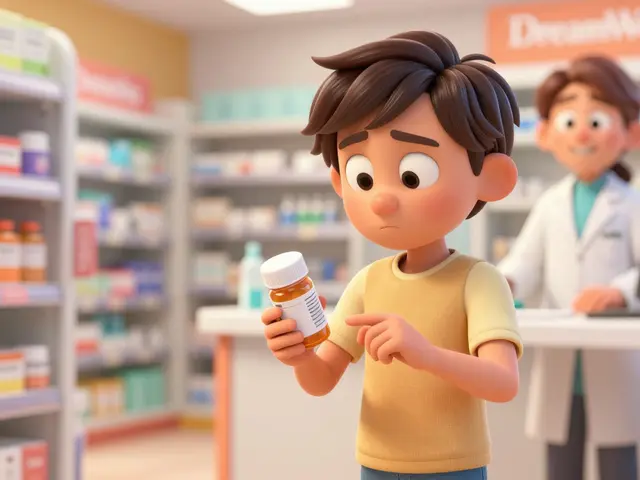

I hate it when they switch my pills to something cheaper.
People really nead to stop trusting thier herbal stuff. It is dangerous and most dont know it. I see so many stupid mistakes made by ignorants who think nature is safe. Big p harm if you mix things wrong. They should just read thier bottles.
It is interesting how regulatory frameworks differ globally. Many people fail to grasp the significance of bioequivalence standards. One must understand that generic formulations undergo rigorous testing protocols. However, inert fillers often remain a source of confusion for patients. Lactose intolerance is frequently overlooked in pharmaceutical documentation. Furthermore, narrow therapeutic index drugs require specific attention from providers. Warfarin remains a prime example of medication requiring stability in manufacturing. A slight deviation in absorption rates could result in adverse events. Clinicians often advocate for consistency in dispensary sources for such medications. Supplement regulation lacks the stringent oversight found in prescription drug approval. Consumers should critically analyze the labeling claims presented on packaging. Herbal interactions pose a significant risk to cardiovascular patients specifically. St John’s Wort demonstrates clear pharmacological conflicts with common antidepressants. Vigilance is required when combining multiple substances daily. Ultimately, informed decision making protects patient outcomes significantly.
The distinction between active and inactive ingredients cannot be overstated in clinical practice.
Right, because we all read the ingredient lists before swallowing. As if that changes anything. The system is rigged either way and doctors push what makes money. Stop pretending knowledge fixes the industry problems.
This hit me hard. My stomach exploded last month when i swapped brands. It was absolute chaos and terrifying. I felt like i was dying inside.
I truly hear what you are saying about the difficulty in switching brands. It is very scary to feel unwell when you try to save money on medicine. We need to support each other in finding the right balance for health. Listening to your body is so important in this journey. Please keep advocating for yourself with your doctor. Consistency is key for many of us dealing with chronic issues. Remember that small changes matter a great deal. Stay strong in your health management process.
Take care of yourself always.
Thank you for sharing this important perspective on healthcare regulations. We must remain vigilant about our wellness choices in this modern world. Understanding the difference helps everyone stay safer.
Foreign meds are trash. Our country knows best! Why listen to west propaganda? 🇮🇳💊☹
You guys need to wake up and fight for your own bodies! Take action today! Knowledge is power and you deserve the truth about your health regimen. Do not let corporations decide your outcome silently.
Just another fear tactic.