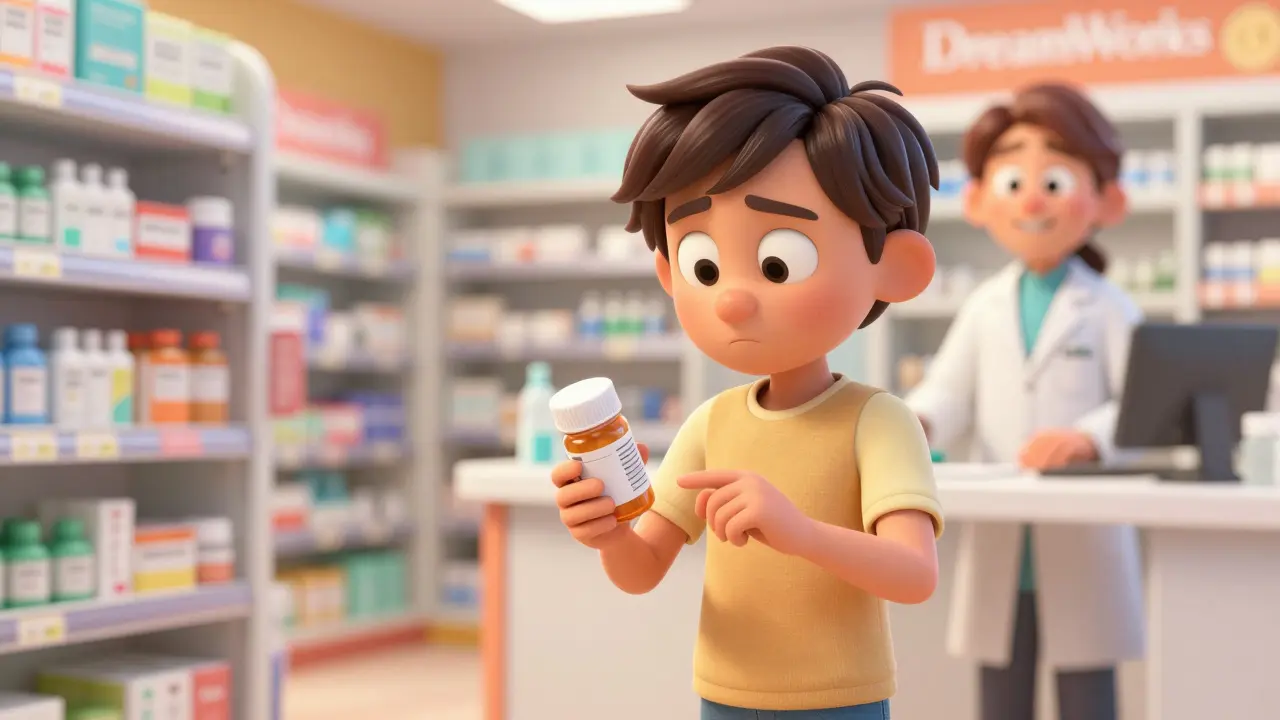
Getting a new prescription can feel overwhelming. Between the complex labels, the strange-looking pills, and the lists of potential side effects, it is easy to feel out of your depth. But here is the reality: in the US alone, over 1.3 million emergency department visits happen every year because of adverse drug events. That is a staggering number, and about 350,000 of those cases end in hospitalization. The good news? Most of these mistakes are entirely preventable. By taking a proactive approach to medication safety, you can drastically reduce your risk and ensure your treatment actually works.
Quick Wins for Your Safety
- Keep a Master List: Document every prescription, over-the-counter drug, and vitamin you take.
- Ditch the Kitchen Spoons: Only use the measuring devices provided with your medicine.
- Ask Three Questions: Always ask your pharmacist about missed doses, storage, and side effects.
- Check the Date: Never take expired meds, especially liquid formulations or antibiotics.
The Foundation of Safe Medication Management
When we talk about safety, we are really talking about a system to stop errors before they reach you. The Institute for Safe Medication Practices is a non-profit organization dedicated to preventing medication errors and adverse drug events. ISMP was started in 1994 because healthcare pros noticed that errors were becoming too common. Since then, they have helped standardize how we report and prevent these mistakes.
For a patient, safety starts with the "Six Rights." While doctors and nurses use this as a clinical checklist, you can use it as your own personal safety guard:
- Right Patient: Ensure the label has your exact name and date of birth.
- Right Medication: Double-check that the drug name matches what your doctor told you.
- Right Indication: Do you know exactly why you are taking this? If not, ask.
- Right Dose: Use a precise measurement. Using a household spoon can cause a 25-50% variance in the actual dose you receive.
- Right Route: Is it a pill to swallow, a cream for the skin, or a drop for the eye?
- Right Time: Some meds need to be taken with food to avoid stomach upset, while others must be taken on an empty stomach to be absorbed.
How to Handle Your Prescriptions Like a Pro
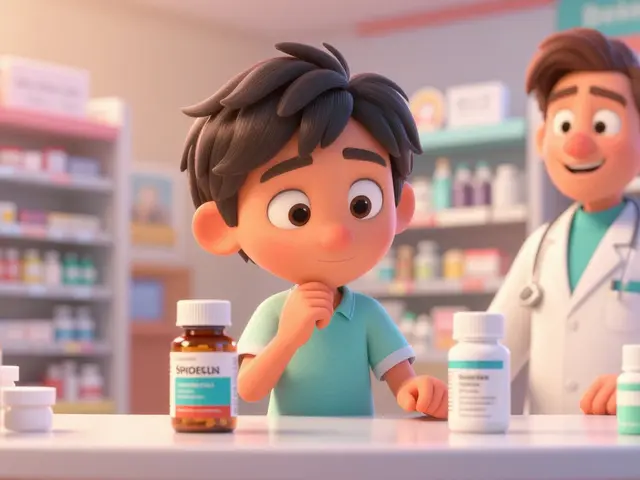
The moment you leave the doctor's office and hit the pharmacy is a high-risk transition. A huge number of errors happen during these hand-offs. To protect yourself, start by treating your pharmacist as your primary safety consultant. Don't just grab the bag and leave. A study found that patients who ask three or more questions about a new med experience 34% fewer adverse events in the first month.
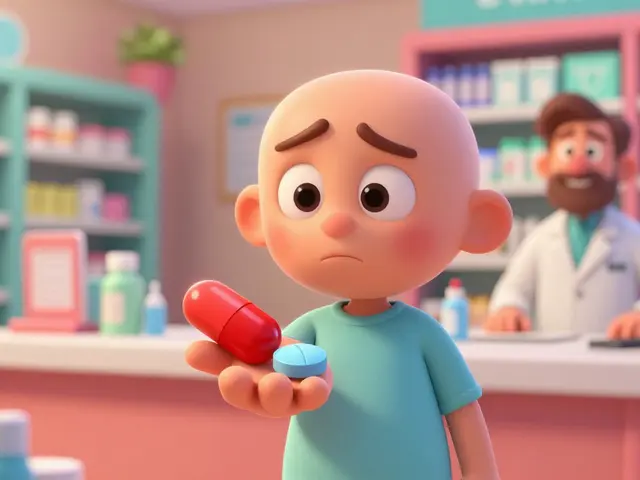
One common point of confusion is the appearance of the medication. About 90% of prescriptions are filled with generics. While these are therapeutically equivalent, the pill might be a different color, shape, or size than what you saw at the clinic. If the pill looks weird, don't panic-just verify it with the pharmacist to ensure the correct generic was dispensed.
| Medication Type | Storage Requirement | Why It Matters |
|---|---|---|
| Insulin | Refrigerated (36-46°F / 2-8°C) | Prevents degradation of the protein structure before use. |
| Standard Oral Meds | Cool, dry place (Below 86°F / 30°C) | High heat and humidity can break down active ingredients. |
| Liquid Formulations | Follow label strictly (often refrigerated) | Liquids degrade faster than solids and are more prone to bacteria. |
Building Your Personal Safety Toolkit
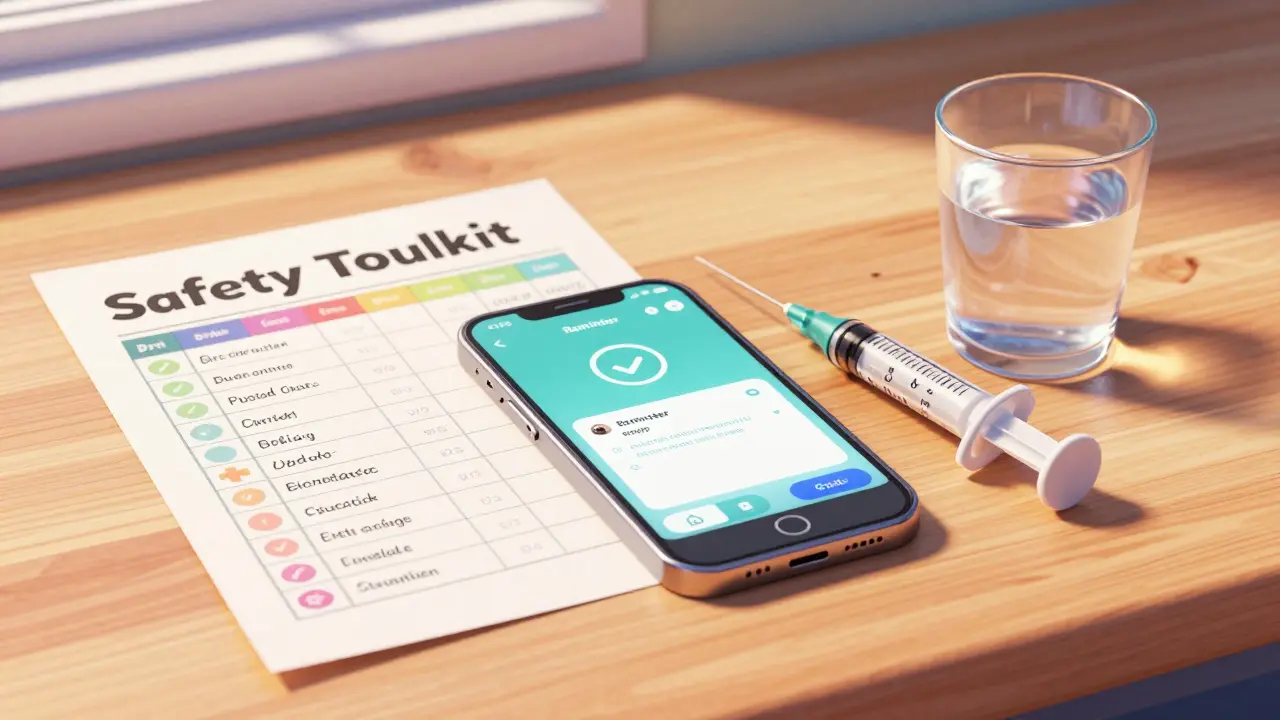
Relying on memory is a recipe for disaster. Especially for first-timers, complex dosing schedules are a major hurdle. In fact, 42% of new users struggle with their schedules initially. The best way to combat this is through a combination of low-tech and high-tech tools.
First, create a medication chart. Don't just list the drug name; include the exact dose, the time of day, and whether it requires food. Second, embrace technology. Apps like Medisafe is a medication management app that provides reminders and tracks adherence. Using reminder apps can improve your adherence rates by as much as 28%.
A simple but overlooked tip: turn on the lights. It sounds basic, but 15% of label-reading errors happen because people try to take their meds in low-light conditions. Whether it's 6 AM or midnight, make sure you can clearly see the text on the bottle.
The Danger of "Casual" Medication Use
It might seem helpful to share a pill with a friend or family member who has the same symptoms, but this is incredibly dangerous. The FDA, or the U.S. Food and Drug Administration, is the federal agency responsible for protecting public health by ensuring the safety of prescription drugs, has noted that sharing medications accounts for 8% of all emergency room visits for adverse drug events. Your dose is tailored to your weight, age, and medical history; what works for someone else could be toxic for you.
Similarly, be wary of unlabeled medications. Whether it's a pill you found in an old purse or a loose tablet in a container, if it doesn't have a professional label, do not take it. Mislabeled or unlabeled meds contribute to about 12% of medication errors in hospital settings, and the risk is just as high at home.
Navigating Healthcare Transitions
The most dangerous time for a patient is during a "transition of care"-like when you are discharged from a hospital to go home. About 22% of medication errors happen during this window. You might be groggy, overwhelmed by paperwork, and confused about which old meds to stop and which new ones to start.
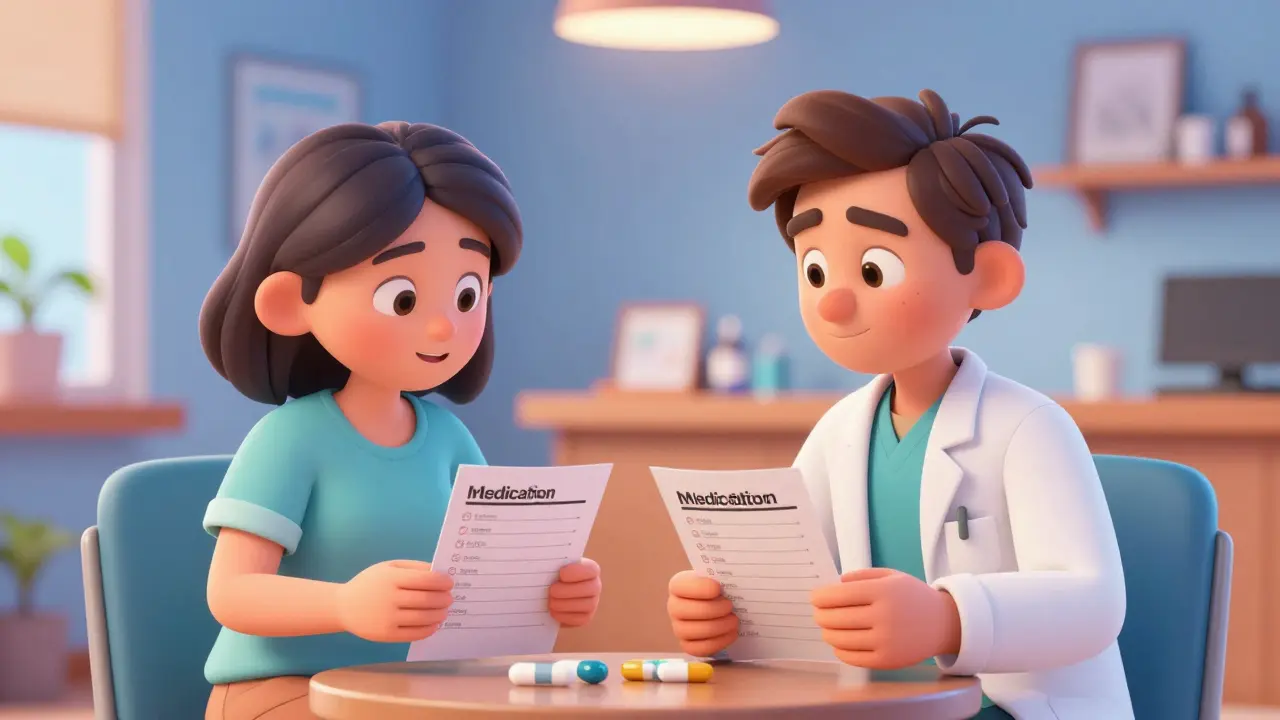
To prevent this, insist on a medication reconciliation. This is a process where a provider (ideally a pharmacist) sits down with you to compare your home list with your hospital list. If you are leaving a facility, don't leave until you can answer these three questions:
- Which of my old medications should I stop taking immediately?
- What is the exact purpose of this new medication?
- What should I do if I miss a dose of this specific drug?
What should I do if I realize I missed a dose?
Do not double your next dose to "catch up" unless specifically told to do so by your doctor. The correct action depends on the medication; for some, you should take it as soon as you remember, while for others, you should wait until the next scheduled dose. Always ask your pharmacist for a "missed dose protocol" when you first start a new medication.
Is it safe to use a generic version of my medicine?
Yes. Generic drugs are designed to be therapeutically equivalent to brand-name drugs. This means they have the same active ingredient, strength, and dosage form. They may look different (color or shape) because of different inactive fillers, but they work the same way in your body.
Can I take my medications with any drink?
Not necessarily. While water is usually the safest bet, some medications interact poorly with grapefruit juice, dairy products, or alcohol. Some may even require an acidic environment (like orange juice) for better absorption. Always check the label or ask your pharmacist about food and beverage interactions.
How do I know if my medication has expired?
Check the "Exp" date printed on the bottle or packaging. Using expired meds-especially liquid antibiotics or insulin-can be dangerous because the drug may lose its potency or, in some cases, become contaminated. If the medication has changed color or smell, discard it even if it hasn't reached the expiration date.
Why is it important to bring a full list of supplements to the doctor?
Vitamins and herbal supplements are still chemical compounds that can interact with prescription drugs. For example, St. John's Wort can make some heart medications less effective. Because doctors often assume patients only list "pills," you must explicitly include every supplement to avoid dangerous drug-drug interactions.
Next Steps for Your Safety Journey
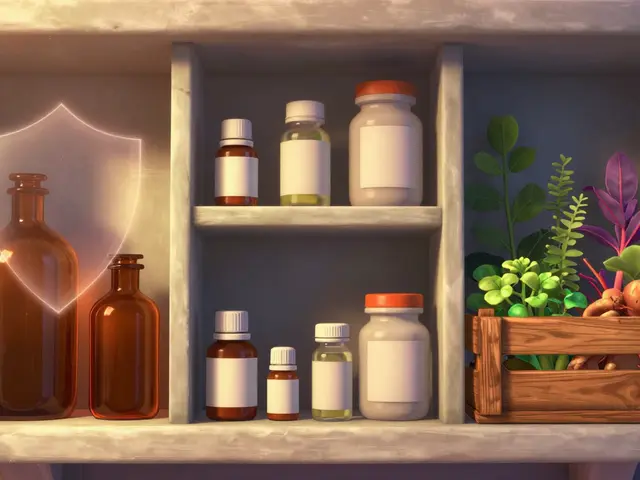
Establishing a safe routine takes a bit of effort-usually about two to three weeks to get the habit down. If you are starting a new regimen today, your first step is to clear a dedicated space for your medications, far away from heat and moisture (avoid the bathroom cabinet if it gets steamy). Set up your phone reminders immediately. If you feel confused at any point, call your pharmacy. It is their job to ensure you use the medication safely, and a five-minute phone call can prevent a three-day hospital stay.