
Chemotherapy Drug Interaction Checker
Select medications and supplements you are currently taking. The tool will check for potential interactions with chemotherapy.
When someone is diagnosed with cancer, the conversation quickly turns to treatment. For many, that means chemotherapy. It’s not new - it’s been saving lives since the 1940s - but it’s far from simple. Chemotherapy doesn’t just attack cancer. It affects everything in its path. And when you’re taking other medications - even over-the-counter painkillers or herbal supplements - things get complicated fast.
How Chemotherapy Actually Works
Chemotherapy isn’t one drug. It’s a whole family of chemicals, each with its own way of killing cancer cells. Some, like doxorubicin, tear into DNA so the cell can’t copy itself. Others, like methotrexate, starve cells by blocking the building blocks they need to grow. These drugs are chosen based on the type of cancer, how fast it’s growing, and where it’s spread.
Most chemotherapy is given in cycles - a treatment week, then a break. That’s not just for rest. It’s because healthy cells, like those in your bone marrow, gut, and hair follicles, also divide quickly. They get hit too. The break lets them recover. That’s why people lose their hair, feel exhausted, or get sick to their stomach. It’s not the cancer making them feel this way - it’s the treatment.
Doctors use body surface area - not just weight - to calculate doses. A typical dose might be 60 mg/m² of doxorubicin. That number matters. Too little, and the cancer fights back. Too much, and your heart can be damaged. For doxorubicin, the lifetime limit is usually 450-550 mg/m². Once you hit that, you can’t use it again.
Why Drug Interactions Are a Big Deal
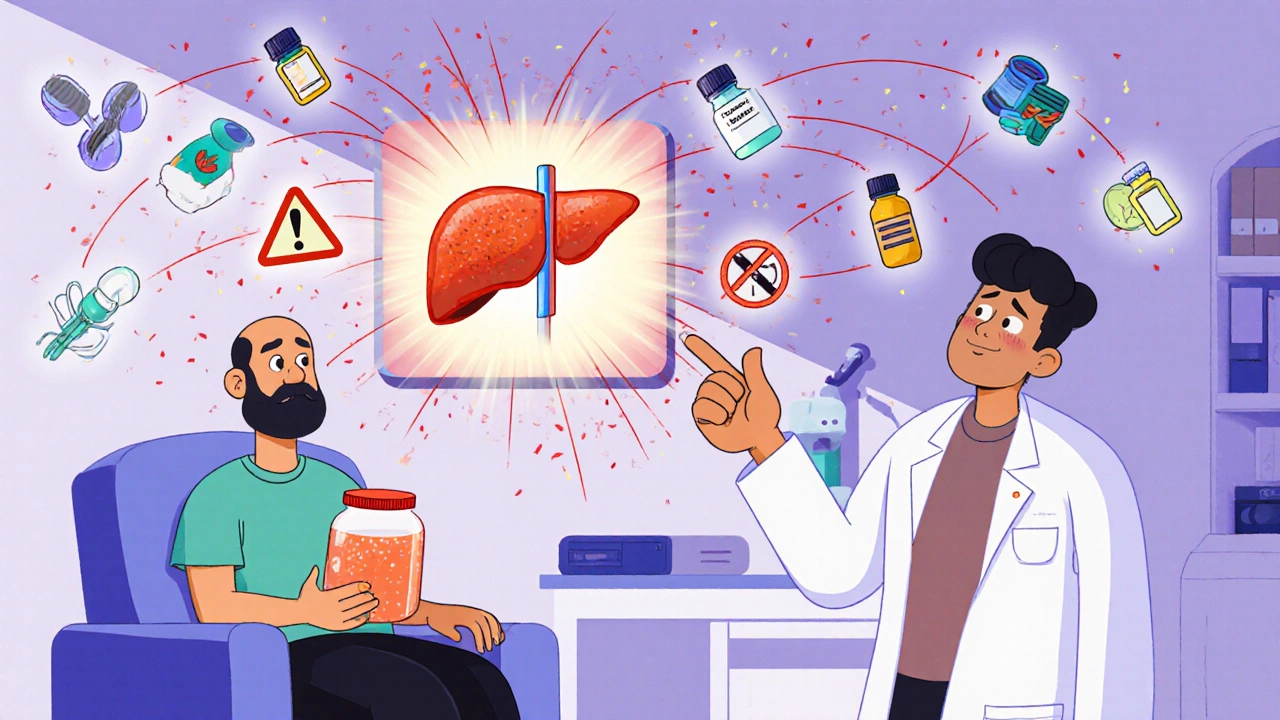
Most cancer patients aren’t taking just chemotherapy. They’re on blood thinners, heart meds, antidepressants, acid reducers, even fish oil or St. John’s wort. And here’s the problem: chemotherapy drugs are processed by the same liver enzymes as many of these other substances.
Take CYP3A4 - a key enzyme in the liver. It breaks down about half of all chemotherapy drugs, including paclitaxel and docetaxel. If you’re taking something that blocks CYP3A4 - like grapefruit juice, ketoconazole, or even some antibiotics - your chemo builds up in your blood. That raises your risk of severe side effects: low white blood cells, nerve damage, even organ failure.
On the flip side, if you’re taking something that speeds up CYP3A4 - like rifampin, St. John’s wort, or certain epilepsy drugs - your chemo gets cleared too fast. It doesn’t stay in your system long enough to kill cancer cells. That means the treatment fails.
One real-world example: irinotecan, used for colorectal cancer. It’s turned into its active form by an enzyme called UGT1A1. Some people have a genetic variation that makes this enzyme work poorly. If they get the standard dose, they’re at high risk for life-threatening diarrhea and low blood counts. Testing for UGT1A1 before starting irinotecan isn’t optional - it’s standard practice.
Common Medications That Interfere
Here’s what you need to watch out for:
- Grapefruit juice: Blocks CYP3A4. Can cause toxic buildup of taxanes and tyrosine kinase inhibitors.
- St. John’s wort: Speeds up CYP3A4. Can cut chemo effectiveness by up to 50%.
- NSAIDs (ibuprofen, naproxen): Can increase bleeding risk when used with drugs like cisplatin or ifosfamide.
- Antibiotics (clarithromycin, erythromycin): Interfere with metabolism of vinca alkaloids, raising risk of nerve damage.
- Antifungals (fluconazole, itraconazole): Can raise levels of etoposide and some oral chemo pills.
- Antacids and proton-pump inhibitors: Reduce absorption of oral chemo drugs like capecitabine and erlotinib.
Even something as simple as a multivitamin can be risky. High-dose vitamin C, for instance, may interfere with the action of bortezomib in multiple myeloma. And don’t assume natural means safe - many herbal supplements are unregulated and can trigger dangerous reactions.
What Happens When Chemo Doesn’t Work
Chemotherapy isn’t magic. In some cancers, like pancreatic or certain types of lung cancer, it just doesn’t work well - even at full dose. About 30% of patients develop resistance after their first round. That means the cancer cells learn to pump the drug out, repair their DNA faster, or just stop dividing so the chemo can’t catch them.
That’s why combination therapy is the norm. Instead of one drug, you get two or three. The BEP regimen for testicular cancer - bleomycin, vinblastine, cisplatin - works because each drug hits the cancer in a different way. If one fails, the others still might work. This approach cuts resistance chances by half compared to single-agent therapy.
But even combinations can fail. That’s when doctors turn to newer tools: targeted therapies that lock onto specific proteins on cancer cells, or immunotherapies that wake up your immune system to fight. In metastatic triple-negative breast cancer, chemo still wins over immunotherapy alone - 65% response rate vs. 42%. But when you combine them? The numbers jump. That’s the future: chemo as a partner, not the whole team.
Real People, Real Side Effects
Behind every statistic is someone’s life. One patient on Reddit shared how she lost her hair twice - once from taxanes, and again months later when her hair started growing back. Another described how his hands went numb from vinca alkaloids, making it impossible to button his shirt. Fatigue? 68% of patients say it’s worse than the nausea.
And it’s not just physical. A 2023 survey found that 44% of patients had treatment delayed because their white blood cell count dropped too low. Black patients were 1.7 times more likely to face these delays - not because of biology, but because of access, scheduling, or how symptoms were managed.
But here’s the twist: 76% of patients said they’d do it again. Why? Because it worked. For many, chemo meant survival. One woman with stage III breast cancer told her oncologist, “I’d go through hell again if it meant I’d be here to see my daughter graduate.”
How to Stay Safe
Here’s what every cancer patient should do:
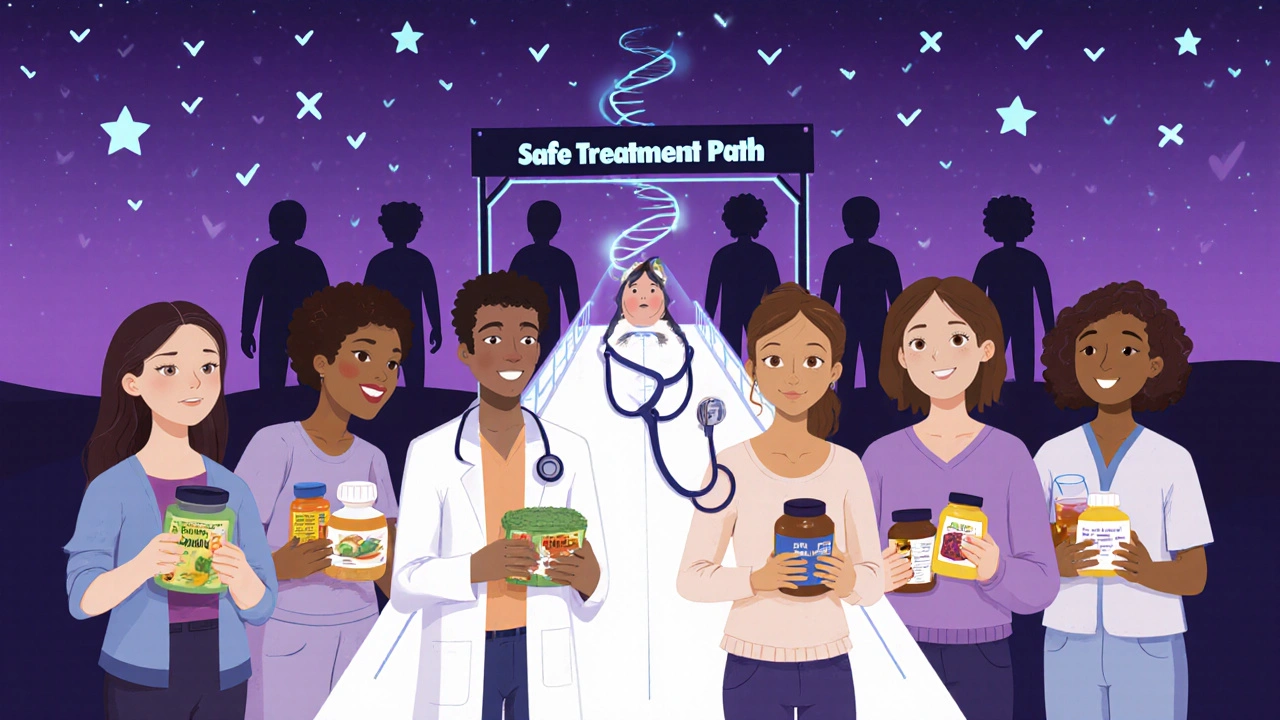
- Make a full list of every medication, supplement, and herb you take - even if you think it’s harmless.
- Bring it to every appointment. Don’t rely on memory. Bring the bottles or a photo.
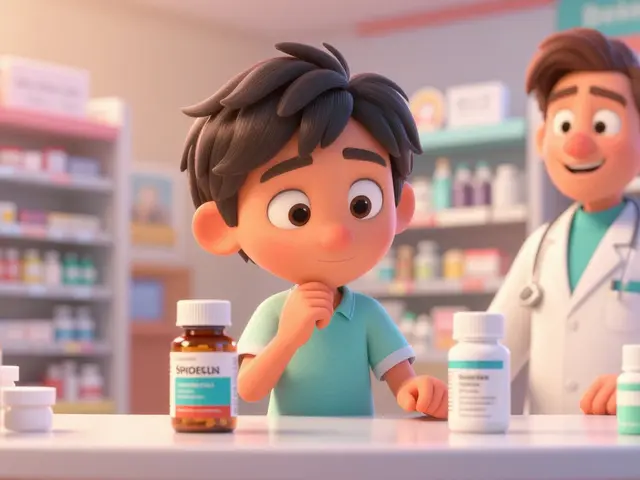
- Ask your oncology pharmacist. They’re the experts in drug interactions. Most cancer centers have them on staff - and they’ll check every prescription before it’s given.
- Don’t start anything new without asking your team. That includes new vitamins, teas, or CBD oil.
- Know your genetic risks. If you’re getting irinotecan or tamoxifen, ask if you’ve been tested for UGT1A1 or CYP2D6 variants.
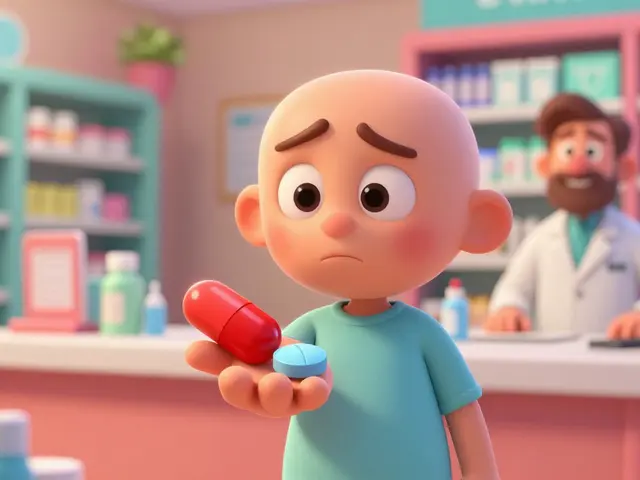
And if you’re on oral chemo - pills you take at home - adherence matters. One study found 20-30% of patients skip doses because they feel sick, forget, or are afraid of side effects. That’s dangerous. Missing even one dose can let cancer cells survive and adapt.
The Future: Smarter, Safer Chemo
Chemo isn’t disappearing. But it’s changing. Newer versions are like guided missiles. Sacituzumab govitecan (Trodelvy) delivers chemotherapy directly to cancer cells using a targeting antibody. It cuts side effects while boosting results in tough cancers like triple-negative breast cancer.
Another breakthrough? Using blood tests to track tumor DNA. The ALLIANCE trial showed that patients with stage II colon cancer could safely cut their chemo from six months to three - if their tumor DNA disappeared after surgery. That’s not guesswork. That’s precision.
Nanoparticles that carry chemo straight to tumors are in late-stage trials. Early results show they could reduce exposure to healthy tissue by 50-70%. Imagine chemo that only hits cancer - no hair loss, no nausea, no nerve damage. That’s the goal.
Right now, chemotherapy is still the backbone of cure for many cancers. It’s used in 78% of early-stage solid tumors. But the best outcomes come when it’s used wisely - with full knowledge of interactions, genetics, and patient needs.
What to Do Next
If you or someone you love is starting chemotherapy:
- Ask for a full medication review with an oncology pharmacist.
- Request genetic testing if your treatment includes irinotecan, tamoxifen, or 5-FU.
- Keep a side effect journal - note fatigue, pain, nausea, numbness. It helps your team adjust faster.
- Don’t be afraid to ask: “Is this drug safe with my chemo?” Even if it’s something you’ve taken for years.
- Consider palliative care early. Studies show it doesn’t mean giving up - it means living better during treatment.
Chemotherapy isn’t easy. But it’s still one of the most powerful tools we have. The key isn’t avoiding it. It’s using it right - with full awareness, full support, and full communication.
Can I take ibuprofen while on chemotherapy?
Sometimes, but not always. Ibuprofen and other NSAIDs can increase bleeding risk when combined with chemo drugs like cisplatin or ifosfamide. They may also harm kidney function, which is already under stress from chemotherapy. Always check with your oncology team before taking any pain reliever - acetaminophen is often safer. Never self-medicate.
Does grapefruit juice really interfere with chemo?
Yes, and it’s dangerous. Grapefruit juice blocks an enzyme in your liver (CYP3A4) that breaks down many chemotherapy drugs, including paclitaxel, docetaxel, and some oral agents. This causes the drugs to build up in your blood, raising the risk of severe side effects like nerve damage, low blood counts, or organ toxicity. Avoid grapefruit, Seville oranges, pomelos, and related juices entirely during treatment.
Why do I need genetic testing before some chemo drugs?
Some people have genetic variations that affect how their body processes chemotherapy. For example, if you have a UGT1A1 gene variant, you’re at high risk for life-threatening diarrhea from irinotecan. If you have a CYP2D6 variant, tamoxifen may not work at all. Testing before treatment lets your doctor adjust the dose or choose a different drug - preventing serious harm.
Can I use herbal supplements during chemotherapy?
Most oncologists advise against it. Herbs like St. John’s wort, echinacea, or green tea extract can interfere with how your body metabolizes chemotherapy. St. John’s wort, for example, can reduce chemo effectiveness by up to 50%. Supplements aren’t regulated like drugs - you don’t know what’s in them or how strong they are. Always disclose everything you’re taking.
What if I miss a dose of oral chemotherapy?
Call your oncology team immediately. Never double up on a missed dose. Missing even one dose can allow cancer cells to survive and become resistant. Your team will tell you whether to skip the dose, take it late, or adjust your schedule. Keeping a pill tracker and setting alarms can help prevent missed doses.
How do I know if my chemo is working?
Your oncologist will monitor you with scans, blood tests, and symptom tracking. Tumor markers may drop. PET or CT scans might show shrinking tumors. But side effects don’t mean it’s working - and no side effects don’t mean it’s not. The only reliable way is through objective testing. Don’t guess. Ask for results after each cycle.
Final Thoughts
Chemotherapy is harsh. It’s not glamorous. But for millions, it’s the difference between life and death. The real danger isn’t the drug itself - it’s the unseen interactions, the unreported supplements, the skipped doses, the silence when something feels off. The best outcomes come from people who speak up, ask questions, and work as a team with their care providers. You’re not just a patient. You’re the most important part of your treatment plan.
Just finished chemo last month and this post hit home. I didn’t realize grapefruit juice could mess with my meds-I drank it every morning like clockwork. My pharmacist caught it during my med review. Life lesson learned the hard way. Don’t assume ‘natural’ means safe. Always ask. You’re not being annoying-you’re saving your life.
LOL they say ‘don’t take supplements’ but Big Pharma doesn’t want you to know the truth. 🤫💊
Yeah, I’ve been on chemo for 18 months. The doc told me to stop my turmeric capsules-turns out they mess with the liver enzymes too. I didn’t think it mattered since it’s ‘just a spice.’ Turns out, it’s not. Now I keep a list of everything I take and show it to my oncology pharmacist. They’re the real MVPs.
This is so important. I had a friend who skipped her oral chemo because she felt sick and thought she’d ‘make up for it’ later. Cancer came back faster. Don’t be that person. Even if you feel fine, stick to the schedule. Your body’s fighting a war-you owe it the full ammo.
Chemotherapy... it’s like trying to win a war by bombing your own city, right? 😅 I mean, we know it kills cancer-but it also kills your hair, your appetite, your joy, your sense of self... and yet, here we are. Why? Because sometimes, the only way out is through the fire. And if you survive? You’re not the same person. You’re something stronger. Something quieter. Something more real.
My mom did chemo for breast cancer. She lost her hair, got so tired she couldn’t walk to the mailbox, but she never complained. She’d say, ‘This is just the price of tomorrow.’ I still think about that every time I feel like giving up on something hard.
Genetic testing prior to irinotecan administration is mandatory in most academic centers. UGT1A1*28 homozygotes require dose reduction. Failure to test may result in grade 4 neutropenia and sepsis. Always confirm pharmacogenomic status before initiation.
It’s funny how we treat chemo like some kind of magic bullet. But it’s just chemistry. Brutal, blunt, beautiful chemistry. We don’t cure cancer with chemo-we delay it. We buy time. And that’s enough. For some, it’s years. For others, months. But every moment matters. That’s why we fight so hard to get the dosing right. Not because we’re obsessed with science-but because we’re obsessed with life.
Big thanks to the author for including the part about racial disparities in treatment delays. That’s not talked about enough. I’m a nurse and I’ve seen it firsthand. Systemic stuff. Not individual fault. We need better access, better scheduling, better advocacy. This isn’t just medical-it’s moral.
I cried reading this. My sister just started chemo. I just wanted to scream at everyone I know: DON’T GIVE HER GRAPEFRUIT JUICE! DON’T LET HER TAKE HER ‘HEALTH TEAS’! DON’T TELL HER TO ‘JUST BE POSITIVE’! THIS ISN’T A MEDITATION APP. THIS IS WAR. And she’s the soldier. Let her fight.
missed a dose once… felt guilty for weeks… turns out my doc said it was fine? I thought I ruined everything 😅
That’s actually normal! Most oral chemo has a 12-hour window. If you’re within that, you’re fine. If you miss more than that, skip it. Never double up. Your oncology team knows this stuff. Don’t panic-just call. We all freak out at first.
They say chemo works but what if it’s all a scam? What if the real cure is just hidden because it’s not profitable? 🤔
Ugh I hate this kind of post. Like yeah thanks for the info but I’m already dying so what’s the point? Just let me have my green tea and my peace.
Why are we letting foreigners tell us how to treat cancer? We got the best doctors here. Just give me the chemo and shut up about supplements.
Wow. So the government wants us to take poison but not take turmeric? What a joke. 🤡
My cousin in Nigeria got chemo without any of this testing. She survived. Maybe we’re overcomplicating things? Not everyone has access to labs or pharmacists. The heart still matters more than the data sometimes.
It’s wild how we treat our bodies like machines that need the right code… but then ignore the soul. Chemo breaks you down so you can rebuild. But who rebuilds the part that fears the next cycle? The part that cries alone in the bathroom? Maybe the real breakthrough isn’t in the lab-it’s in the quiet moments where someone says ‘I’m here.’
Thank you for writing this. I’m a caregiver and I didn’t even know about the UGT1A1 testing. I’m printing this out and taking it to my mom’s next appointment.