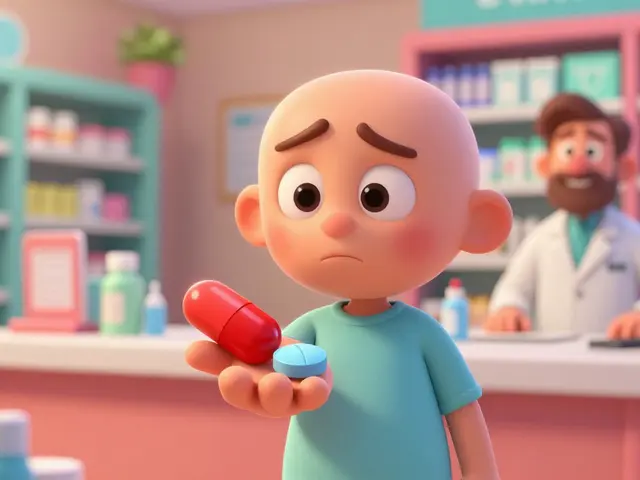
Imagine waking up feeling completely fine, only to find yourself in a state of absolute rage because you can't find your keys or the toaster is acting up. For many women, this isn't just a "bad day"-it's the reality of perimenopause. It is a confusing, often invisible struggle where you feel like a stranger in your own skin. The hardest part? You might be told it's just stress or clinical depression, when in reality, your brain chemistry is being rewritten by shifting hormones.
If you feel like you're losing your grip on your temper or suddenly crying during a commercial, you aren't alone. Research shows that about 85% of women experience at least one perimenopausal symptom, with 10% to 20% dealing with significant mood disturbances. Let's look at why this happens and how to actually fix it.
The Biological Trigger: Why Your Mood Shifts
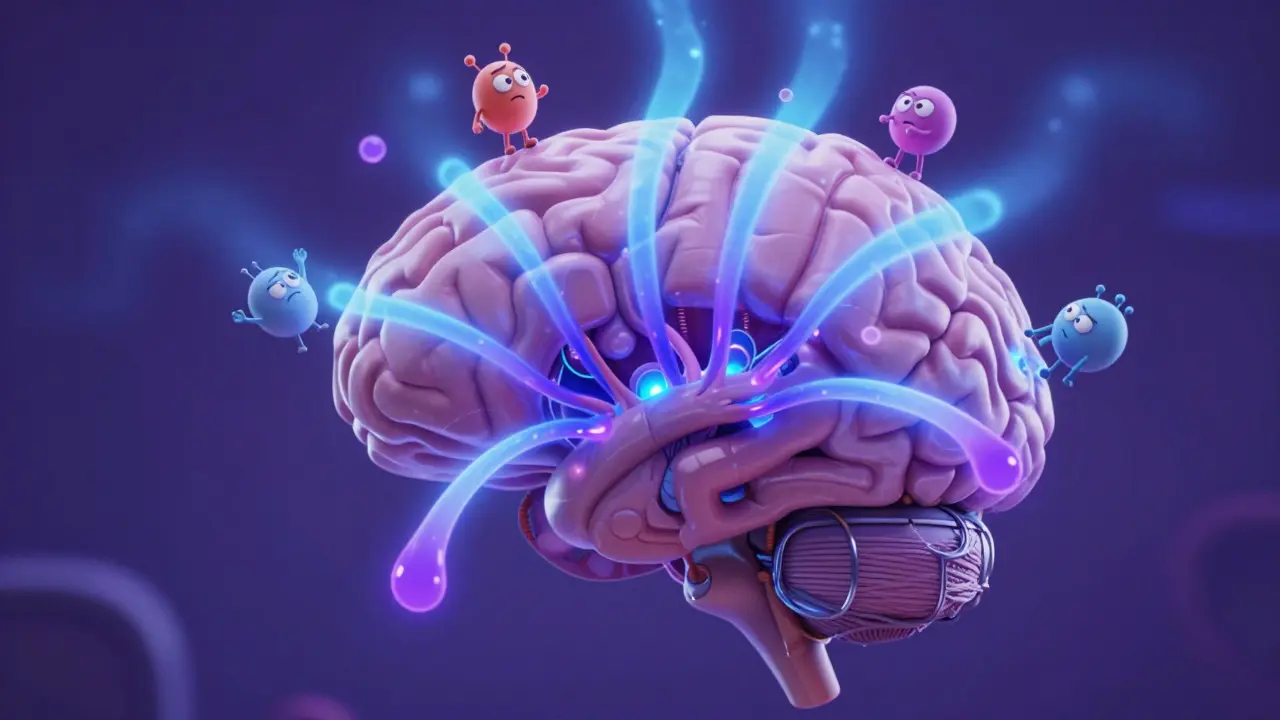
Your brain is essentially a giant receiver for hormones. Specifically, Estrogen is a primary female sex hormone that plays a critical role in regulating neurotransmitters like serotonin and dopamine, which control mood and pleasure. During perimenopause, estrogen levels don't just drop; they swing wildly, sometimes fluctuating by 50-60% in a very short window. When estrogen dips, your serotonin levels often dip with it, leading to irritability and sadness.
Then there is Progesterone, which acts more like a natural sedative by influencing GABA, the brain's primary inhibitory neurotransmitter. As progesterone declines, the "calming" effect on the brain weakens, making you more prone to anxiety and insomnia. Combined with a higher density of estrogen receptors in the female brain compared to males, women are biologically more sensitive to these chemical shifts.
It's a compounding effect. You aren't just dealing with a chemical imbalance; you're likely dealing with hot flashes and sleep disturbances. When you haven't slept properly for three nights because of night sweats, your emotional resilience vanishes. This makes minor stressors feel like catastrophes.
Perimenopause vs. Other Mood Disorders
It is incredibly common for women to be misdiagnosed during this time. Many are told they have clinical depression or a general anxiety disorder. However, perimenopausal mood changes have a different "signature" than other conditions.
For instance, Premenstrual Dysphoric Disorder (PMDD) follows a predictable 28-day cycle. Perimenopause is erratic. You might have three months of stability followed by two months of intense irritability. Unlike postpartum depression, which usually hits quickly after childbirth, perimenopausal shifts happen gradually over months or years.
| Feature | Perimenopause | PMDD | Clinical Depression |
|---|---|---|---|
| Pattern | Erratic/Unpredictable | Cyclical (28 days) | Persistent/Chronic |
| Onset | Gradual (mid-30s to 40s) | Menarche to Menopause | Any age |
| Physical Cues | Hot flashes, night sweats | Bloating, breast tenderness | Fatigue, appetite change |
| Hormonal Link | Estrogen/Progesterone drop | Sensitivity to progesterone | Variable/Complex |
Treatment Options: Finding What Works
There is no one-size-fits-all solution. Because the causes are both biological (hormones) and psychological (life stress), the most effective approach is usually a mix of treatments. The goal is to stabilize the "floor" of your mood so you can handle the "peaks" of daily stress.
The most direct approach is Hormone Replacement Therapy (HRT), also known as Menopausal Hormone Therapy (MHT). HRT involves supplementing the body with estrogen, progesterone, or both to replace the hormones the body is no longer producing consistently. For many, this is a game-changer. Data shows that about 72% of women report significant mood improvement within three months of starting HRT.
However, HRT isn't always the first choice. For some, Selective Serotonin Reuptake Inhibitors (SSRIs) are a class of antidepressants that increase serotonin levels in the brain. These are particularly helpful for those with a history of depression, as women with prior mood disorders are five times more likely to experience severe symptoms during perimenopause.
Here is a quick rule of thumb for choosing a path:
- Physical symptoms dominate (hot flashes + mood): HRT is often the gold standard.
- Mood symptoms dominate (anxiety/depression): SSRIs or therapy may be the starting point.
- Moderate to severe mixed symptoms: A combination of low-dose estrogen and an SSRI is often recommended by specialists.

Practical Steps for Managing the Transition
You shouldn't just "tough it out." The transition can take years, and unmanaged symptoms can lead to burnout or relationship breakdowns. The key is to move from reactive mode to proactive mode.
- Track Your Data: Don't rely on memory. Use a symptom tracker for at least 90 days. Note your mood, sleep quality, and cycle dates. This data is vital for your doctor to distinguish between a hormonal shift and clinical depression.
- Audit Your Lifestyle: While hormones are the driver, stress is the fuel. Cortisol (the stress hormone) can exacerbate estrogen fluctuations. Prioritize "sleep hygiene" to combat the insomnia that fuels irritability.
- Find a Specialist: Not every GP is trained in the nuances of perimenopause. Look for a certified menopause practitioner who understands the link between endocrinology and mental health.
- Set Expectations: Finding the right dose of HRT or the right medication often takes 6 to 9 months. You might try two or three different approaches before things feel "normal" again.
The Bigger Picture: Brain Health and the Future
It's important to recognize that these changes aren't just "in your head"-they are happening to your head. There is evidence that perimenopausal women experience a slightly faster decline in gray matter volume compared to men of the same age. This explains the "brain fog" and cognitive lapses that often accompany mood swings.
The good news is that we are entering an era of personalized medicine. We are moving away from generic prescriptions and toward biomarker panels that can identify exactly how your body is metabolizing estrogen. In the near future, genetic testing may allow doctors to predict which treatment will work for you before you even take the first pill.
Until then, the best tool you have is advocacy. Whether it's asking your employer for flexible hours during a particularly rough patch or insisting on a specialist referral, acknowledging that these mood changes are biologically driven is the first step toward regaining control.
How do I know if my mood swings are perimenopause or just stress?
While stress can cause irritability, perimenopausal mood swings often occur without a clear external trigger and are accompanied by physical signs like hot flashes, night sweats, or irregular periods. Tracking your symptoms for 3 months usually reveals a pattern that is distinct from general life stress.
Is HRT safe for everyone?
HRT is highly effective but not for everyone. Women with a history of certain breast cancers or blood clotting disorders may be advised against it. Always consult a specialist to weigh the benefits against your personal medical history.
Can perimenopause cause a first-time episode of depression?
Yes. The dramatic drop in estrogen can trigger first-onset mood disorders in women who have never struggled with depression before. Because these are hormonally driven, they may respond differently to traditional antidepressants than non-hormonal depression.
How long do the mood disturbances usually last?
They vary wildly. Some women experience mild shifts for a few years, while others face severe disruptions for 4 to 8 years. However, with the right treatment, these symptoms can be managed or eliminated much sooner.
Are there natural ways to stabilize my mood?
Lifestyle changes like regular strength training, reducing alcohol (which disrupts sleep and mood), and cognitive behavioral therapy (CBT) can help. While they may not replace hormones for severe cases, they provide a necessary foundation for emotional stability.