MAOI Diet Safety Checker
Select your medication type to see the corresponding dietary risk levels and safe/unsafe food guidelines.
⚠️ Medical Warning
This tool is for educational purposes. If you experience a severe headache, heart palpitations, or neck stiffness, seek emergency medical help immediately.
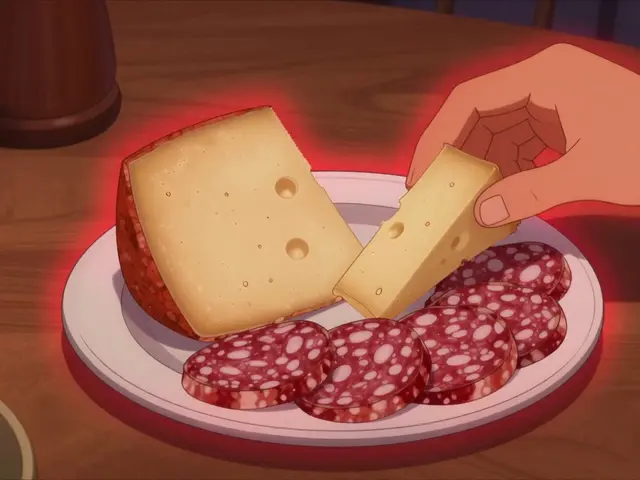
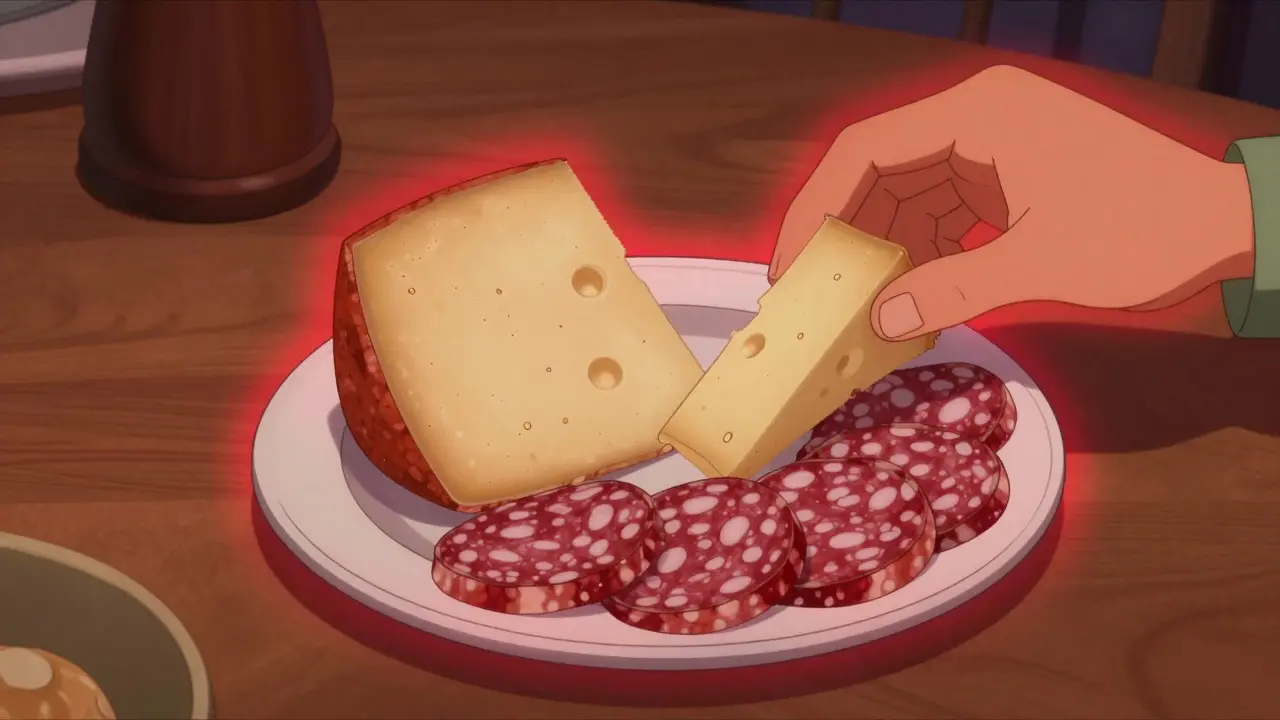
Imagine sitting down for a nice dinner with a plate of aged cheddar and a slice of salami, only to suddenly feel your heart racing and a pounding headache that feels like a drum in your skull. For most people, this is just a salty snack. For someone taking certain antidepressants, it could be the start of a medical emergency. This is the reality of the interaction between Tyramine and MAOIs, a biological quirk that can turn a simple meal into a dangerous spike in blood pressure.
If you or a loved one have been prescribed a Monoamine Oxidase Inhibitor, you've probably been handed a list of "forbidden foods." It can feel overwhelming, like you can't eat anything anymore. But here is the good news: the risk isn't the same for every medication, and once you understand why these foods are problematic, managing your diet becomes a simple habit rather than a constant fear. Let's break down exactly what happens in your body and how to eat safely without giving up all the flavor.
The Science: Why Tyramine is a Problem
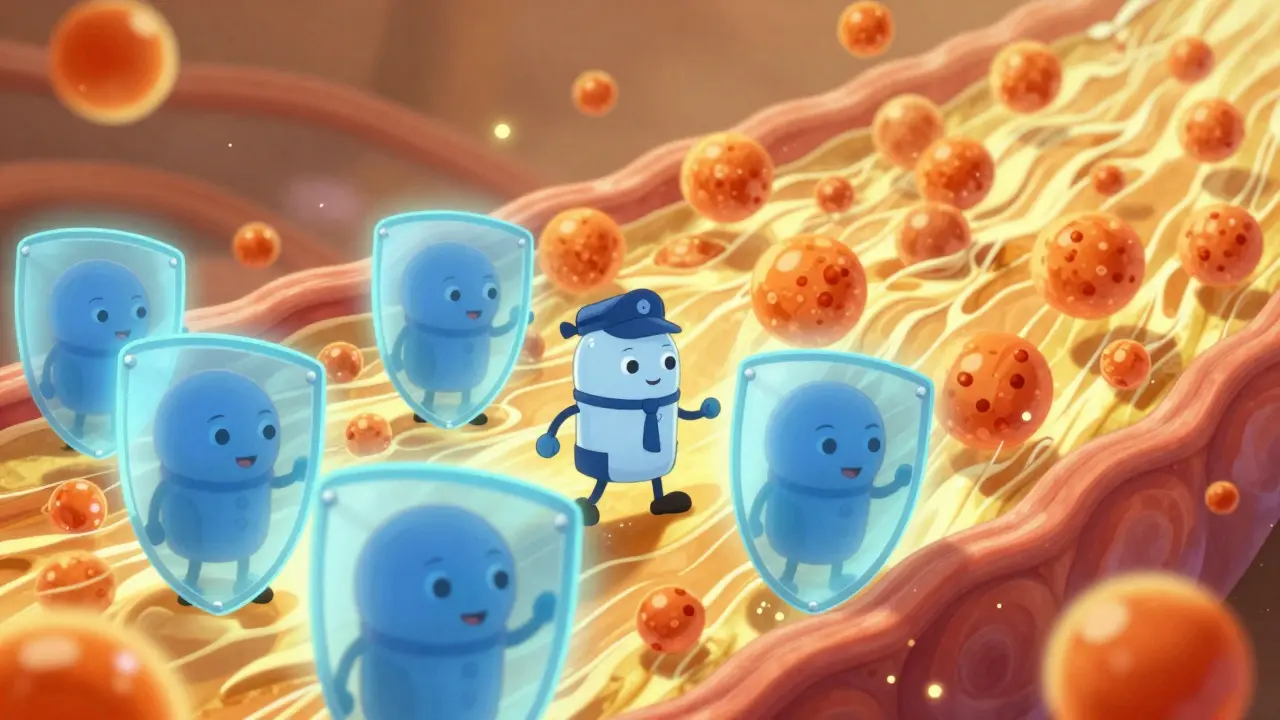
To understand the danger, we have to look at Monoamine Oxidase is an enzyme that breaks down neurotransmitters like serotonin, dopamine, and norepinephrine in the brain and gut. In a typical person, this enzyme acts like a cleanup crew, disposing of excess chemicals and metabolizing Tyramine is an amino acid found in aged and fermented foods that helps regulate blood pressure before it ever hits your bloodstream.
When you take an MAOI, you are essentially firing that cleanup crew. The medication blocks the enzyme from doing its job. If you eat a food high in tyramine, there is nothing to break it down in your digestive system. The tyramine floods your systemic circulation and forces your nerves to release massive amounts of norepinephrine. This causes the "tyramine pressor response," which is a fancy way of saying your blood pressure skyrockets. In severe cases, it can hit 180/120 mmHg or higher, potentially leading to a stroke or a cerebral hemorrhage.
Not All MAOIs Are Created Equal
One of the biggest misconceptions is that every MAOI requires the same strict diet. In reality, the risk depends heavily on the type of inhibitor you are using. Some bind permanently to your enzymes, while others are more flexible.
| MAOI Type | Examples | Dietary Restriction Level | Mechanism |
|---|---|---|---|
| Irreversible Non-Selective | Phenelzine, Tranylcypromine | Strict / High Risk | Binds permanently to MAO-A and MAO-B enzymes. |
| Selective MAO-B Inhibitors | Selegiline (oral low dose) | Low Risk | Primarily targets MAO-B; leaves MAO-A to handle tyramine. |
| Transdermal Patches | Emsam (6 mg/24 hours) | Minimal Risk | Bypasses the gut (first-pass metabolism), reducing tyramine interaction. |
| Reversible Inhibitors | Moclobemide | Moderate/Low Risk | Can be displaced from the enzyme by high tyramine levels. |
If you are using a transdermal patch like Emsam at a low dose, you might find the dietary rules are significantly relaxed. However, if you're on a traditional tablet like Phenelzine, the rules are non-negotiable because the enzyme takes two to four weeks to regenerate after you stop the medication.
The Red List: Foods to Avoid
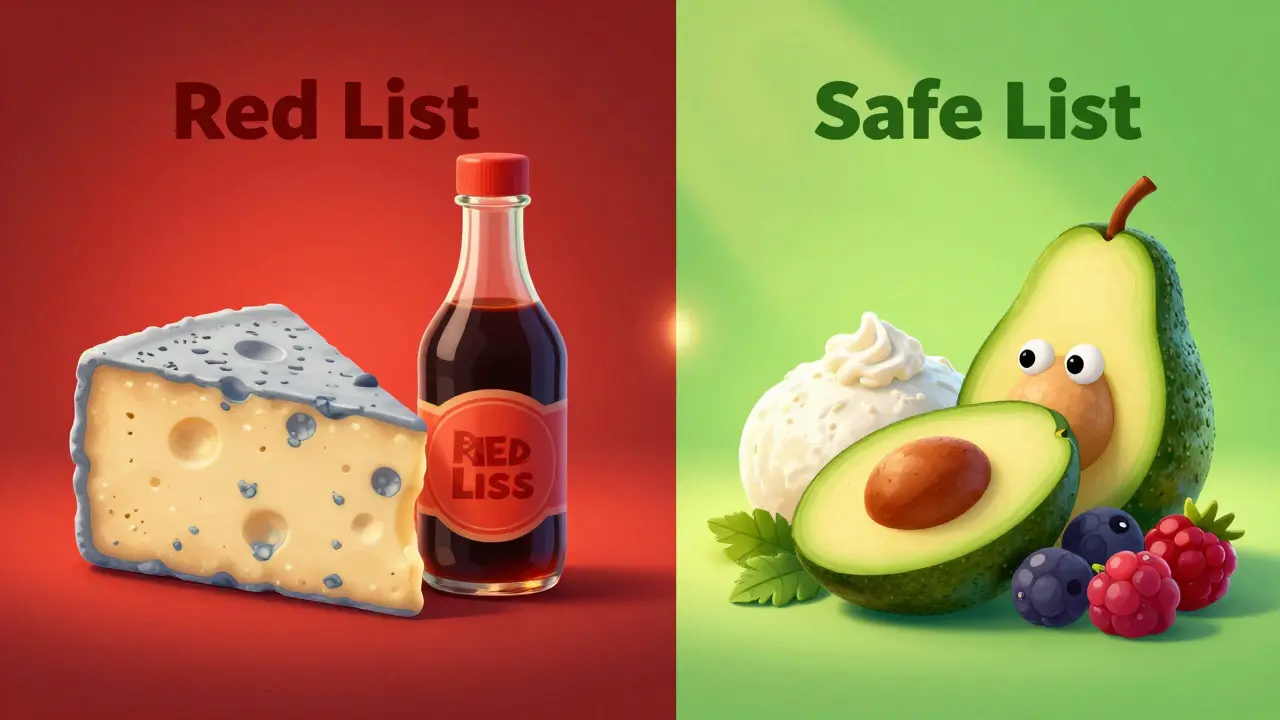
Tyramine isn't usually a problem in fresh foods. It develops as things age, ferment, or spoil. The general rule of thumb is to avoid any serving containing more than 6 mg of tyramine. While you probably don't have a scale to measure milligrams in your kitchen, knowing these categories will keep you safe.
Aged Cheeses and Dairy
Fresh cheeses like ricotta, cottage cheese, or cream cheese are generally fine. The danger lies in the "stinkier" and more aged varieties. Cheddar, Swiss, and Blue cheeses are tyramine bombs, sometimes containing up to 400 mg per 100g. If it's aged, skip it.
Cured and Fermented Meats
Fresh meat is safe, but any meat that has been air-dried or fermented is a risk. Salami and pepperoni are classic examples, often containing 50-100 mg of tyramine per 100g. This includes some types of summer sausage and aged hams.
Fermented Soy and Vegetables
This is where it gets tricky for fans of Asian cuisine. Traditional soy sauce and miso are very high in tyramine. While modern commercial soy sauce is processed to have lower levels (around 30 mg/100ml), it's still best to use them sparingly or look for low-sodium, chemically processed alternatives that aren't traditionally fermented.
Overripe Produce
A ripe avocado is usually fine (0.5-3 mg/100g), but an overripe, mushy avocado can spike to 10 mg/100g. The same goes for very old bananas or dried fruits. When in doubt, eat the produce while it's fresh.
Alcohol and Beverages
Avoid tap beers and unpasteurized beers, as they contain significant tyramine. Interestingly, most distilled spirits and some wines (like Chianti) are generally permitted in moderation, though you should always check with your doctor first.
Practical Tips for Living with a Low-Tyramine Diet
Living with these restrictions doesn't mean you have to eat bland food. It just means you have to be a more conscious shopper. Here are a few strategies to make it easier:
- Shop the Perimeter: Stick to the outer edges of the grocery store where fresh produce, fresh meats, and fresh dairy are kept. The middle aisles are where the preserved, cured, and fermented "danger foods" live.
- Read Labels Carefully: Look for terms like "aged," "cured," "fermented," or "ripened." These are red flags for tyramine.
- Freeze Your Produce: If you buy a lot of avocados or bananas, freeze them before they become overripe to stop the tyramine buildup.
- Communicate: If you eat at restaurants, tell your server about your restriction. Specifically, mention that you cannot have aged cheeses or fermented soy products.
Beyond Food: Other Dangerous Interactions
It's not just about what you eat. Certain over-the-counter medicines can trigger the same blood pressure spike as a piece of aged cheese. You must avoid decongestants containing Phenylephrine or Pseudoephedrine. These drugs stimulate the sympathetic nervous system and, when combined with an MAOI, can cause a hypertensive crisis.
Even more critical is the interaction with other antidepressants. If you are switching from an MAOI to an SSRI (Selective Serotonin Reuptake Inhibitor), you must observe a strict 14-day washout period. Combining these without a gap can lead to serotonin syndrome, a condition that has a terrifyingly high mortality rate if not treated immediately.
Can I eat any cheese while taking an MAOI?
Yes, but only fresh cheeses. Ricotta, cream cheese, cottage cheese, and fresh mozzarella are generally safe because they haven't been aged long enough to develop high levels of tyramine. Avoid cheddar, parmesan, swiss, and blue cheeses.
What are the signs of a tyramine reaction?
The most common signs include a sudden, severe headache, nausea, neck stiffness, and heart palpitations. If you experience these along with a spike in blood pressure, seek emergency medical help immediately to prevent a stroke.
How long do I need to follow the diet after stopping MAOIs?
For irreversible MAOIs, you should continue the low-tyramine diet for 2 to 4 weeks after your last dose. This is because your body needs time to regenerate the MAO enzymes that were permanently disabled by the medication.
Is soy sauce completely off-limits?
Traditional, naturally brewed soy sauce is very high in tyramine and should be avoided. However, some commercially processed versions have much lower levels. It's best to use them in very small quantities or switch to a soy-free alternative like coconut aminos.
Why is the Emsam patch safer regarding diet?
The transdermal patch delivers the medication through the skin, bypassing the digestive tract. Since most tyramine is normally broken down by enzymes in the gut, avoiding "first-pass metabolism" means the drug doesn't disable the gut enzymes as aggressively as an oral pill would, reducing the risk of a reaction at low doses.
Next Steps for Your Safety
If you've just started an MAOI, your first step should be to carry an "MAOI alert card." This informs emergency responders and other doctors about your medication if you're unconscious or unable to speak. It's also vital to notify any surgeon or dentist you visit, as some anesthetics can interact poorly with these drugs.
If you find the dietary restrictions too taxing, talk to your doctor about the possibility of switching to a reversible inhibitor or a transdermal version. Modern psychiatry has come a long way since the 1950s, and there are now many ways to get the benefits of these powerful antidepressants without feeling like you're trapped in a culinary prison.