

Warts are more than just a skin annoyance. They’re a sign your body is fighting off a common virus-human papillomavirus, or HPV. You might see them on your fingers, under your toes, or even on your face. They look rough, raised, sometimes speckled with tiny black dots. And while they’re harmless, they’re stubborn. And embarrassing. And painful if they’re on your feet.
The good news? Most warts go away on their own. Studies show 60 to 70% of them clear up within two years without any treatment. But waiting that long isn’t practical for most people. Especially if you’re a parent dealing with a child’s hand warts, or someone who can’t wear open shoes because of a plantar wart that feels like stepping on a pebble every time you walk.
What Causes Viral Warts?
Not all warts are the same. They’re caused by different strains of HPV, and each strain likes a different part of the body.
- Common warts (verruca vulgaris) show up on fingers, hands, and knees. Usually caused by HPV types 1, 2, and 4.
- Flat warts (verruca plana) are smaller, smoother, and often appear in clusters on the face, arms, or legs. Linked to HPV types 3 and 10.
- Plantar warts grow on the soles of your feet. They grow inward because of pressure, which makes them painful. HPV types 1, 2, 4, 60, and 63 are the usual suspects.
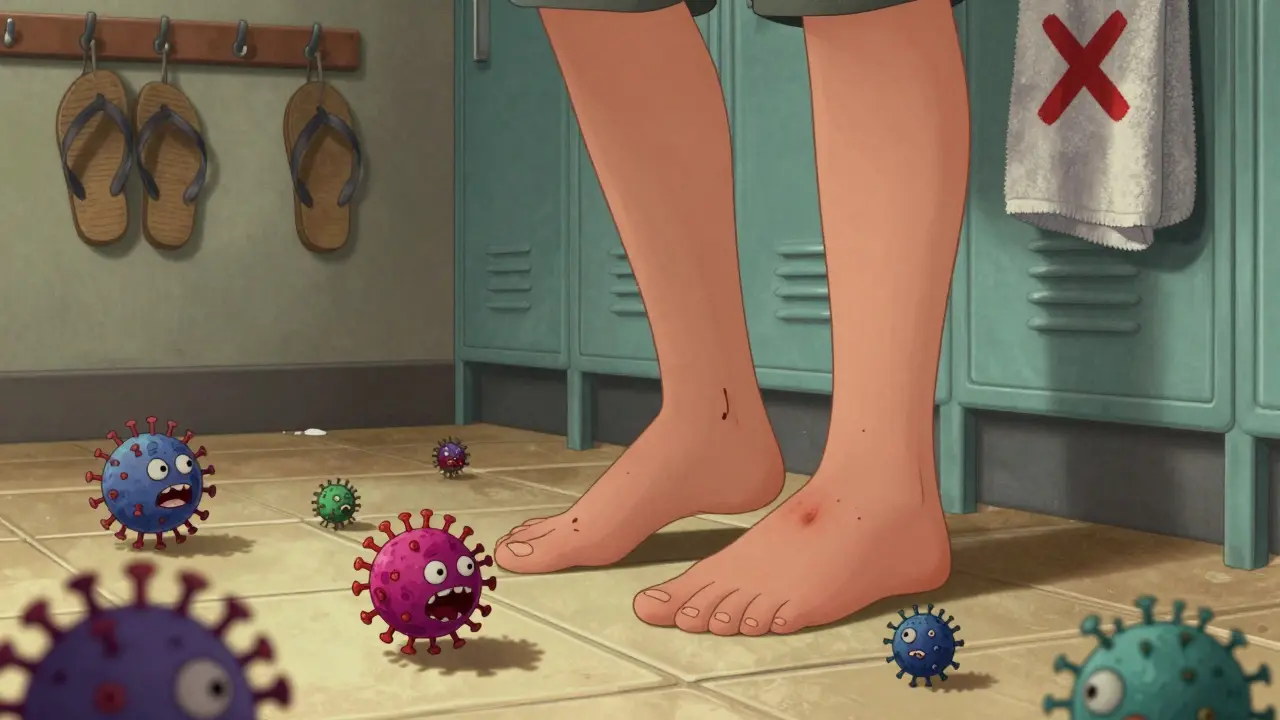
You catch HPV through direct skin contact-sharing towels, walking barefoot in locker rooms, or even scratching a wart and then touching another part of your body. That’s why warts often spread. One turns into five. Five turns into twenty.
Why Don’t All Warts Go Away on Their Own?
Your immune system can fight off HPV. But not always quickly. Some people’s bodies recognize the virus right away. Others don’t. Kids are more likely to clear warts naturally than adults. That’s why you see so many warts on school-aged children.
But here’s the catch: even if your immune system eventually wins, the wart can keep spreading while it’s there. That’s why most people don’t wait. They want it gone-now.
Topical Treatments: Salicylic Acid Is Still the Gold Standard
If you’re looking for the most proven, affordable, and accessible treatment, start with salicylic acid. It’s in nearly every drugstore wart remover. You’ll find it in liquids, gels, pads, and even patches.
How it works: Salicylic acid slowly peels away the layers of infected skin. It doesn’t kill the virus. It just removes the tissue the virus lives in.
Studies back this up. A 1976 study of over 1,800 patients found salicylic acid cured 84% of plantar warts when used correctly. That’s higher than many people expect.
But it’s not magic. You have to stick with it. Here’s how to use it right:
- Soak the wart in warm water for 10 minutes.
- Gently file the surface with an emery board or pumice stone (use a new one each time-don’t reuse it on healthy skin).
- Apply the acid directly to the wart. Avoid getting it on surrounding skin.
- Repeat daily. Don’t skip days.
It takes time. Six to twelve weeks is normal. But if you’re consistent, you’ll see results. Many people give up too soon. They stop after two weeks because nothing’s changed. Then they blame the product. It’s not the product. It’s the timing.
Cryotherapy: Freezing Warts in the Doctor’s Office
If you’ve ever had a wart frozen off, you know the feeling. That sharp, cold sting. Then a blister. Then a scab. It’s not pleasant, but it works.
Cryotherapy uses liquid nitrogen to freeze the wart down to the root. Dermatologists do this in-office. Over-the-counter freezing kits exist, but they’re weaker and less reliable.
A 2023 review of seven studies with nearly 1,000 patients found cryotherapy and salicylic acid were equally effective for common warts after 12 weeks. No clear winner. But here’s what most people don’t know: the timing matters.
The 1976 Bunney study showed that freezing warts every 2-3 weeks gave a 75% success rate. Stretch it to 4 weeks? Success drops to 40%. That’s huge. So if your doctor schedules you every month, ask if you can come back sooner.
Typically, you’ll need 3 to 6 sessions. Each one hurts a little. You might get a blister or a dark spot. But scarring is rare if done right.
Chemical Treatments: Trichloroacetic Acid and Beyond
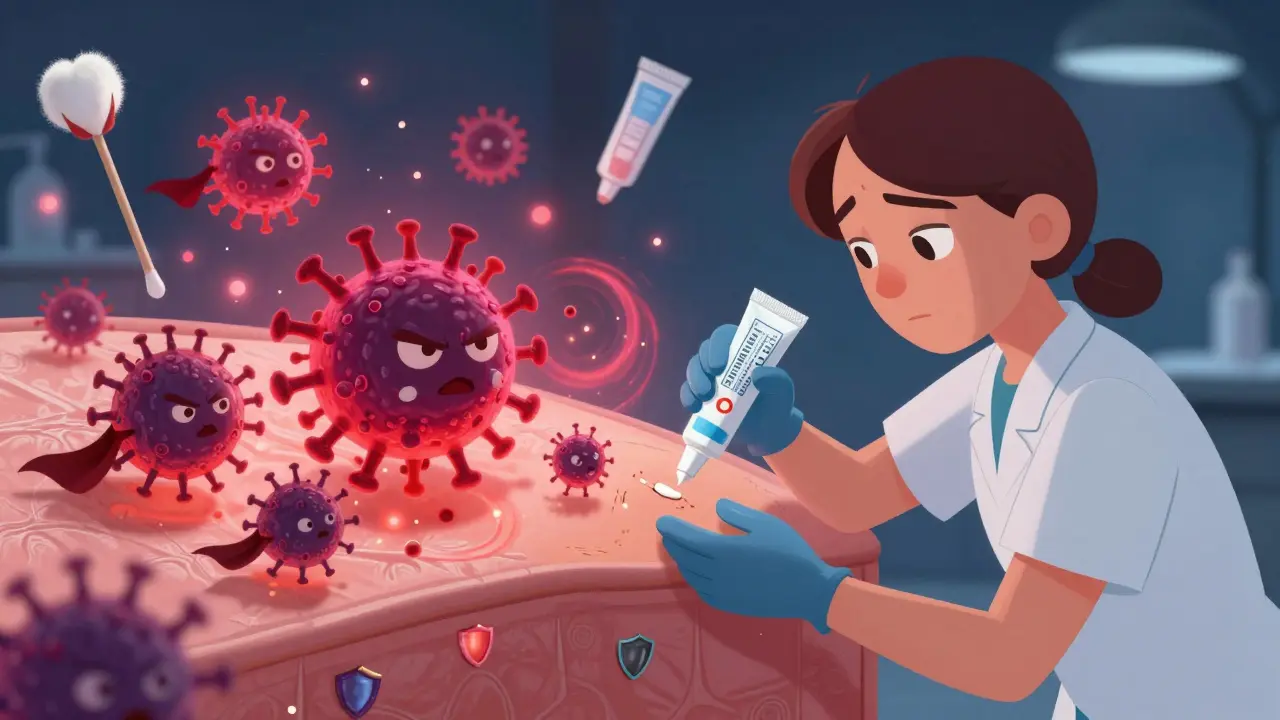
Trichloroacetic acid (TCA), sold as Tri-Chlor, is another in-office option. It’s stronger than salicylic acid and works by burning the wart tissue. Dermatologists often file the wart first, then apply the acid with a cotton swab. Sometimes they prick the wart to let the acid get deeper.
TCA works well for plantar warts and flat warts. But it’s not for beginners. It can burn healthy skin. It can leave scars. It can cause pain and discoloration.
Other acids like monochloroacetic acid (MCA) have been tested too. One study showed MCA cleared 43% of warts. Cryotherapy cleared 54%. Neither is perfect. And neither has been studied in large, modern trials.
Immunotherapy: Teaching Your Body to Fight Back
When the usual treatments fail, doctors turn to immunotherapy. This isn’t about killing the wart. It’s about waking up your immune system so it can.
Imiquimod cream (Aldara) is the most common. It’s applied at home, usually 3 times a week. It causes redness and irritation-that’s the point. Your body thinks something’s wrong, so it sends immune cells to the area. Those cells then attack the HPV.
It’s slow. Takes weeks to months. But for stubborn warts that didn’t respond to acid or freezing, it’s often the last resort that works. There are documented cases where patients had tried everything-salicylic acid, cryotherapy, even laser-and imiquimod cleared it.
Side effects? Itching, burning, flaking. But no scarring. And no risk of spreading the virus during treatment.
Aggressive Options: Lasers, Electrosurgery, and Surgery
These are last-ditch efforts. Reserved for warts that won’t quit.
- Electrosurgery burns the wart with a tiny electric needle. Usually done under local anesthetic. Works fast. But can leave a scar.
- Laser treatment (like VBeam) targets the blood vessels feeding the wart. The wart turns dark purple, then falls off in 1-2 weeks. Expensive. Often not covered by insurance.
- Surgical removal sounds like the obvious fix. Cut it out. But studies show high recurrence rates because the virus is still hiding in the skin around the edges. Most dermatologists avoid this unless absolutely necessary.
None of these are first-line treatments. They’re for the warts that laugh at everything else.
What Doesn’t Work (And Why)
You’ve probably heard about home remedies: duct tape, apple cider vinegar, garlic, banana peels. Some people swear by them. But there’s no solid proof they work better than doing nothing.
The same goes for silver nitrate, phenol, cantharidin, zinc, and dozens of other chemicals. The 2022 review from the Royal Australian College of General Practitioners looked at 15 different treatments. Only salicylic acid and cryotherapy had decent evidence. The rest? Guesswork.
And don’t trust online ads for “miracle wart removers.” If it sounds too good to be true, it is.
How to Stop Warts From Spreading
Treating the wart is only half the battle. Stopping it from spreading is the other half.
- Don’t pick or scratch warts. That’s how they spread to other parts of your body.
- Wear flip-flops in public showers, pools, and locker rooms.
- Don’t share towels, razors, or nail clippers.
- Wash your hands after touching a wart.
- If you’re using a pumice stone or emery board, throw it away after use. Don’t reuse it.
Even if you’re treating the wart, you can still infect others-or yourself-until it’s fully gone.
What to Expect: Realistic Timelines and Mindset
No treatment works overnight. Not even laser.
Salicylic acid? 6-12 weeks.
Cryotherapy? 3-6 sessions, spaced 2-3 weeks apart.
Imiquimod? 4-16 weeks.
And even after the wart disappears, the virus might still be hiding. That’s why warts can come back. You need to stay vigilant for a few months after the skin looks normal.
Patience is the most important tool you have. Frustration leads to quitting. Quitting leads to more warts.
When to See a Doctor
You don’t need to see a doctor for every wart. But here’s when you should:
- The wart is painful and interferes with walking or using your hands.
- It’s on your face or genitals.
- You have diabetes or a weakened immune system.
- You’ve tried over-the-counter treatments for 3 months with no result.
- The wart is bleeding, changing color, or growing rapidly.
Doctors can confirm it’s a wart (not a skin tag or mole) and offer stronger treatments you can’t get on your own.
The Bottom Line
Viral warts are common, annoying, and frustrating-but not dangerous. You have options. Salicylic acid is your best first step. Cryotherapy is reliable if you’re willing to go to the doctor. Immunotherapy works when everything else fails.
There’s no magic bullet. But there is a path. Stick with it. Be consistent. Don’t give up after one week. And don’t let embarrassment stop you from treating it. Millions of people have had warts. You’re not alone.
The virus will go. Your skin will heal. But only if you give it time-and the right treatment.



I’ve had plantar warts since I was 12. Salicylic acid worked, but only after I stopped skipping days. It’s boring, but it’s the only thing that actually cleared them without pain or scars.
Salicylic acid? Please. That’s what your grandma used in 1987. Modern dermatology has moved on. Cryotherapy is overrated too. If you really want results, get a prescription for imiquimod-it’s the only thing that actually reprograms your immune system to stop being lazy.
And don’t even get me started on duct tape. That’s not a treatment, that’s a cry for help.
Bro, I used TCA on my heel wart last year-doc did it, 3 sessions, 2 weeks apart. It burned like hell, but after the 3rd one, it just… vanished. No more pain walking barefoot. Don’t fear the acid, fear the delay.
Also, don’t reuse your pumice stone. I did. Got 3 new ones. One for each foot. One for the guest bathroom. Don’t be that guy.
My mate had a wart on his thumb for three years. Tried everything. Then he just left it. Gone in 18 months. No treatment. Just time. Maybe we’re overcomplicating this.
I have two children with warts. I use salicylic acid every night. We soak, file, apply. It’s slow, but they don’t cry. And no doctor visits. Thank you for this guide.
Interesting that HPV strains vary by location. I wonder if environmental factors like humidity or shared surfaces in Indian schools contribute to higher prevalence in kids. Any studies on regional strain distribution?
It’s astonishing how little evidence exists for most of these treatments. Salicylic acid? A 1976 study? And we’re still treating warts like we’re in the pre-digital age? Where’s the double-blind, placebo-controlled, peer-reviewed data from the last decade? It’s all anecdotal. And frankly, it’s embarrassing that dermatology hasn’t evolved beyond filing and freezing.
Imiquimod? That’s just a placebo with side effects. The immune system doesn’t need to be ‘woken up’-it needs to be *educated*, and we’re not doing that. We’re just scraping away the symptoms like cavemen.
And let’s not pretend cryotherapy is ‘reliable.’ It’s a gamble with pain, blistering, and potential hypopigmentation. The fact that it’s still standard care speaks volumes about the stagnation in medical practice.
Meanwhile, people are spending hundreds on ‘miracle’ creams online while the real solution-systemic immunomodulation-is being ignored because it’s not profitable. This isn’t medicine. It’s a carnival.
I’ve studied this for years. If you want to cure warts permanently, you need to address the underlying immune dysregulation-not the wart itself. But no one wants to hear that. Too complicated. Too expensive. Too inconvenient.
So we stick with acid. And freezing. And duct tape. And hope. And then we wonder why they keep coming back.
It’s not the virus. It’s us.
Ugh, I tried imiquimod. It turned my hand into a red, itchy mess for six weeks. My partner thought I had a rash from an affair. The embarrassment was worse than the wart.
Salicylic acid was boring, but at least it didn’t make me feel like I was being punished by science.
Patience isn’t just a virtue here-it’s the only tool you’ve got. I’ve seen people try 5 treatments in 3 weeks and blame the doctor. Warts don’t care how fast you want them gone. They’re slow, stubborn survivors. Treat them like a marathon, not a sprint.
And hey-you’re not alone. Millions of us have been there. I had a plantar wart for 14 months. Used acid. Felt like giving up every week. Kept going. One day, it just… wasn’t there anymore. No fanfare. Just peace.
Keep going. You got this. 💪
Did you know the government knows HPV is used to track people through skin cells? That’s why they push freezing and acid-it keeps the virus alive so they can monitor you. Duct tape blocks the signal. I’ve been using it for 2 years. No warts. No tracking. Free at last.
As someone who’s spent 17 years in dermatology research, I must say: your post is refreshingly accurate. But you’ve missed one crucial point: the psychological component. People who treat warts consistently are those who view them as a personal challenge-not a medical problem. The ones who fail? They see it as a disease. That mindset shift is the real cure.
And yes, the 1976 study still holds. Science doesn’t need constant updating to be right.
Thank you for this. As a non-native English speaker who grew up in a household where warts were treated with garlic and prayer, this is the first clear, science-backed guide I’ve ever read. I’ve shared it with my sister in Delhi. She’s been trying everything. Now she’s on salicylic acid. And yes-she’s not skipping days.