

Imagine you turn around for one second. When you look back, your child is holding a bottle. Or worse, a pill wrapper. This isn't just a hypothetical nightmare; it happens every day. Statistics from major health organisations show that pharmaceutical poisoning accounts for approximately 60,000 emergency department visits annually involving children under five years old. Pain medications alone are responsible for 31% of poisoning-related deaths in this age group. Time is the most critical factor here. Knowing exactly what to do in those first few minutes can change everything.
If your child swallows the wrong medication, panic often takes over. But your brain needs to switch to crisis mode immediately. The following guide consolidates expert protocols from medical authorities including the National Institutes of Health and the American Academy of Pediatrics to help you navigate this frightening situation safely.
The Golden Minutes: First Response Protocol
The moment you suspect an ingestion, you have a window of time. Do not waste it searching for a solution online while the clock ticks. Medical specialists agree on one universal first step: contact experts immediately. In the United Kingdom, dial 111 for NHS non-emergency advice or go directly to 999 if severe symptoms are present. In the US, the number is 800-222-1222. Specialists can provide real-time instructions specific to the ingested substance, which generic internet advice cannot do.
Poison Control Centers are specialized medical resources staffed by toxicologists who know exactly how different drugs affect small bodies. They track outcomes and treatment paths better than any single doctor in an ER waiting room.While someone is making the call, you need to secure the scene. Remove any remaining pills or liquid from the child's mouth using your fingers. If they have skin exposure, wipe it off gently but thoroughly. A critical mistake many parents make is trying to force vomiting. Current guidelines from Stanford Children's Health explicitly warn against this. Older methods recommended syrup of ipecac, but modern toxicology has proven this dangerous. Inducing vomiting can cause aspiration pneumonia in 7% of attempts and changes the outcome in less than half a percent of cases. Let the professionals decide if clearing the stomach is necessary.
Critical Warning Signs Requiring Ambulance Care
Not every slip-up requires an ambulance ride, but some signs mean the situation is life-threatening. You need to assess your child rapidly. If you see respiratory distress-like laboured breathing or silence instead of crying-that is a sign to call an ambulance immediately. Documentation shows that 28% of severe pediatric poisoning cases involve breathing issues. Similarly, loss of consciousness occurs in roughly 19% of significant ingestions.
You must also watch for seizures. These present in about 12% of critical cases. Look for abnormal eye movements or pupils that are unusually dilated or constricted. Another silent killer is cardiac instability. Heart medications like beta-blockers can cause blood pressure to plummet below 70/40 mmHg within 30 minutes. This leads to heart rates dropping below 50 bpm, which triggers cardiac arrest in young children.
| Symptom | Risk Level | Action Required |
|---|---|---|
| Difficulty Breathing | Critical | Call 999 / Emergency Immediately |
| Unconsciousness | Critical | Do not move child; Await Ambulance |
| Seizures | Critical | Keep airway open; Emergency Transport |
| Lethargy (>20 mins) | Urgent | Contact Poison Control / GP |
| Drooling or Vomit | Moderate | Monitor closely; Consult Expert |
Persistent nausea occurs in 67% of ingestion cases, but excessive drooling (29%) and lethargy lasting more than 20 minutes are stronger indicators of neurological impact. Trust your gut. If something feels wrong with their energy levels, get professional eyes on them.

What Happens at the Hospital?
When you arrive at the emergency department, expect a structured process. Doctors aren't guessing; they follow algorithms based on the type of drug and how long ago the child swallowed it. For unknown pharmaceutical ingestions, clinical guidelines mandate a minimum observation period of 12 hours. During the first hour, vital signs are checked every 15 minutes. Once stable, this extends to 30-minute intervals.
Activated Charcoal is often used to bind the medication in the stomach so it doesn't get absorbed into the bloodstream. It is typically administered orally at a dose of 1g per kilogram of body weight. However, it is contraindicated for caustic substances or hydrocarbons, so doctors verify the substance before applying this treatment.Treatment varies significantly depending on what was taken. If the child consumed opioid painkillers, doctors may administer naloxone. Guidelines suggest a dose of 0.1 mg/kg IV/IM, with a maximum cap. For sulfonylurea ingestions-which can cause dangerous hypoglycemia-octreotide is the standard antidote. Blood glucose monitoring becomes mandatory every 30 minutes because low sugar manifests in 43% of these specific cases. If tricyclic antidepressants were involved, sodium bicarbonate infusions protect the heart rhythm.
This high-tech monitoring isn't random. Dr. Lewis Nelson, Professor of Emergency Medicine at NYU Langone, emphasizes that the single most important factor in positive outcomes is time to specialized consultation. Inviting Poison Control early reduces hospitalization rates by 43%. This proves that calling for help before driving saves money, trauma, and lives.
Common Myths Versus Medical Facts
Parenting forums are filled with advice from well-meaning friends, but much of it is outdated. One major myth is that syrup of ipecac is a safe home remedy. Dr. Robert Palmer, Medical Director of the Rocky Mountain Poison & Drug Center, states clearly that it hasn't been part of protocol since 2004. Relying on old books or grandmothers' advice puts the child at risk.
Another misconception involves the volume of liquid medicines. Many parents believe that "just a sip" is harmless. However, liquid formulations are concentrated. Flow restrictors mandated by the American Academy of Pediatrics reduce accidental ingestion volumes by 58%, which shows how potent even small amounts can be for small children.
We can learn from real experiences too. On parenting forums, a user named 'QuickThinkDad' credited immediate Poison Control consultation with preventing hospitalization after his child ate three chewable antihistamine tablets. By following precise observation instructions at home, he avoided an overnight stay. Conversely, 'MedSafetyMom' delayed care for 45 minutes while searching for a container, resulting in her toddler needing 36 hours of cardiac monitoring after a single amlodipine tablet. The lesson is clear: delay creates danger.

Building a Safer Home Environment
Preparation prevents the worst-case scenario. Homes using locked medication storage report 85% fewer ingestion incidents according to the CDC's Home Safety Survey. It's not enough to rely on child-resistant packaging alone, even though FDA standards now require two independent mechanisms to reduce exposures by 30%. Technology helps too. Smart pill bottles that require biometric access or apps to open are reducing accidental access by 73% in pilot studies.
Keep original containers. Never transfer pills into snack jars. If you must use a daily organizer, keep it out of sight. Store everything up high, behind closed doors. The goal is to make the medicine invisible to the curious hand.
Frequently Asked Questions
What if I don't know exactly what my child swallowed?
You should still call Poison Control immediately. Bring all empty bottles or containers you find to the hospital. Even partial descriptions can help experts narrow down the treatment plan and required monitoring.
Can I wait to see if symptoms appear later?
No. Some medications work silently until damage is done. Waiting for symptoms can miss the window for treatments like activated charcoal which are effective only within the first hour.
Is it safe to induce vomiting at home?
Absolutely not. Modern guidelines prohibit this because it increases the risk of aspiration pneumonia and rarely improves outcomes. Let medical professionals manage stomach clearance.
Do I need to go to the ER for a small amount?
Only if instructed by Poison Control. Some small ingestions of certain drugs are non-toxic, but others require monitoring. Always consult a specialist rather than guessing yourself.
How long will my child stay in the hospital?
Observation periods vary, but a minimum of 12 hours is common for unknown ingestions. Cardiovascular monitoring continues until the doctor is sure no delayed effects will occur.
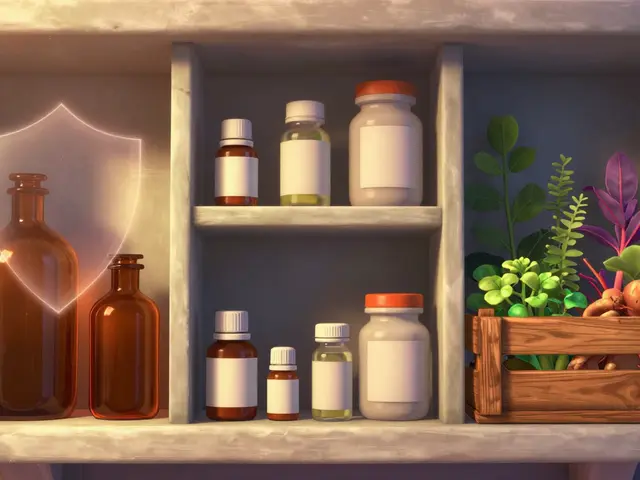




It is truly terrifying to imagine how quickly things can go wrong when the supervision slips even for a moment. We often think the child-proof cap is enough protection against the little hands that are constantly exploring everything in reach. I remember reading studies that suggest the curiosity of a toddler overrides almost any barrier presented to them initially. Parents need to understand that panic clouds judgment faster than the toxin spreads through the bloodstream sometimes. When the phone rings and someone asks for guidance, staying calm becomes the only superpower available in that room. You cannot undo the past few minutes but you can definitely influence the next twenty significantly. Calling poison control is the absolute best thing to do before you even grab your car keys. People might argue that they know their child well enough to assess the danger themselves. That confidence is usually misplaced because small doses of certain meds are invisible until symptoms appear. The hospital staff will look at your eyes and see the panic that you are trying to hide so effectively. Trust the specialists who deal with chemical interactions daily instead of guessing on social media. Your local ER might not have the antidote readily available for specific ingestion types found overseas. Waiting twenty minutes to find the bottle label is wasting valuable clearance time in the stomach. Activated charcoal works best when administered early and missing that window changes the treatment path entirely. Prevention is the only real cure we have in our hands today.
This post feels like it was written to scare people into selling us more smart lock technology.
The physiological response to beta-blocker overdose involves significant bradycardia and hypotension mechanisms. Pharmacokinetics change drastically in pediatric patients due to lower renal clearance rates observed in infants. Clinicians rely heavily on serum concentration monitoring to determine the appropriate intervention threshold. Antidote administration requires precise weight-based dosing calculations to avoid iatrogenic toxicity. Hemodynamic stability is the primary endpoint during initial resuscitation efforts performed in emergency settings. Toxicologists utilize specific algorithms to stratify risk based on the half-life of the ingested pharmaceutical agent. Delayed gastric emptying can prolong exposure time significantly beyond standard prediction models. Intravenous lipid emulsion therapy remains a consideration for refractory cases unresponsive to standard supportive care measures. Airway management takes precedence over decontamination procedures in unstable patients presenting with respiratory compromise. Neurological sequelae often manifest after the initial hemodynamic parameters have been stabilized successfully. Continuous cardiac telemetry is mandatory for observation periods exceeding the twelve-hour minimum guideline. Serum electrolytes must be monitored frequently to detect shifts caused by acid-base disturbances. Consultation with regional poison centers provides critical data regarding similar case outcomes historically documented.
There exists a philosophical dimension to parental neglect regarding these protocols that we refuse to address openly. The individual choice to ignore safety standards impacts the collective consciousness of our community negatively. One must consider the inherent value placed on life versus the perceived inconvenience of storage methods. Ignoring such warnings suggests a societal shift towards entropy and chaos in domestic spaces. We must reclaim our responsibility over the potential destruction hidden in plain sight.
good stuff thanks
I believe the statistics cited are somewhat skewed depending on which geographic region you examine. Rural areas often lack the rapid response capability mentioned in these urban-centric guides. The advice holds true for developed infrastructure but fails in isolated contexts. Parental intuition still plays a massive role in immediate decision making regardless of official guidelines.
Thank you for sharing this information clearly. Many parents overlook the significance of calling poison control before driving. Early intervention reduces hospitalization rates considerably.
You are absolutely right that speed is the only factor that matters here. Panic is natural but action is required above all else. Trust the medical teams who have seen this scenario many times before. We need to support each other in staying vigilant about these risks.
Oh my god this absolutely terrified me just reading it!
You never really feel prepared for something like this happening in your own living room!
The horror of finding an open bottle sitting there is unbearable.
I remember checking every single corner of the house myself last year.
Sleep deprivation makes us all blind to dangers right in front of us!
Manufacturers need to put warning signs directly on the medicine bottles.
We need louder alarms on every single cabinet door in existence.
Imagine the nightmare of rushing to the ER in the middle of the night!
The lights flashing everywhere while you scream inside your head!
Please trust the experts on the phone line instead of Googling answers!
Every second counts when tiny lungs are struggling for air!
Parents deserve better education on storing these chemicals safely!
I wish every single person knew these numbers by heart immediately!
Stay safe out there friends and double check those locks!
Your life depends on acting fast and correctly now!!
It is the moral duty of every responsible adult to secure their environment properly! We live in an age where negligence is simply unforgivable in our modern society! Children deserve the highest level of protection from predatory substances in the home! Parental laziness leads to preventable tragedies that could have been avoided easily! Stop relying on luck and start relying on rigorous safety protocols immediately!
Formal acknowledgment received regarding the emergency protocols outlined. This aligns with current construction safety briefings for families.
Listen to me closely because this saves lives every single day. Stop scrolling and memorize those numbers right now. Your hesitation is the biggest killer in these scenarios. Act immediately when you suspect an issue.
I am tired of being told how to parent every five seconds online.
I spent three hours crying in my kitchen after my son swallowed a vitamin pill that turned out to be harmless. The guilt eats you alive even if nothing happened medically. Nobody talks about the mental health cost of these scares enough. Please be kind to yourself if it happens.
Our local systems handle this much better than the international protocols suggest usually. American parents should stop blaming everyone else for these accidents happening. We have the resources to manage this ourselves without foreign interference.