Archive: 2026/02
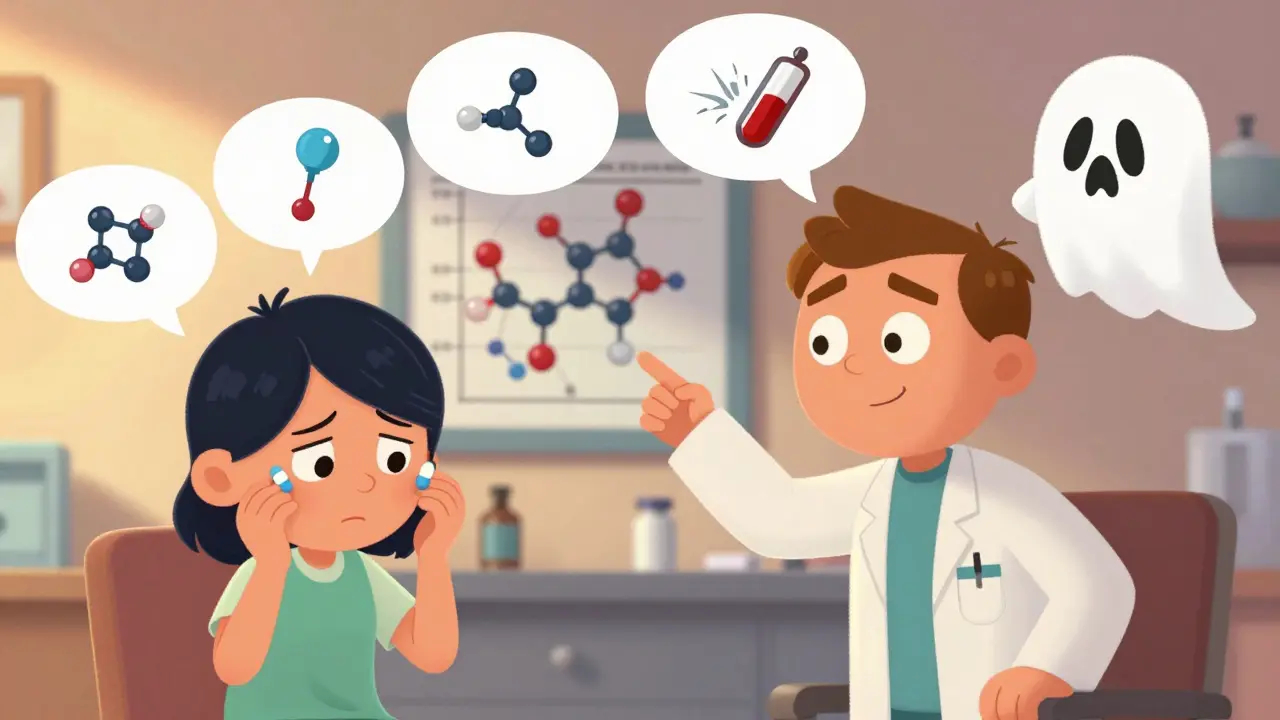
Generic drugs are just as safe as brand-name ones, but misconceptions about unexpected interactions persist. Learn why differences in inactive ingredients and patient perception-not the active drug-are behind most reported issues.
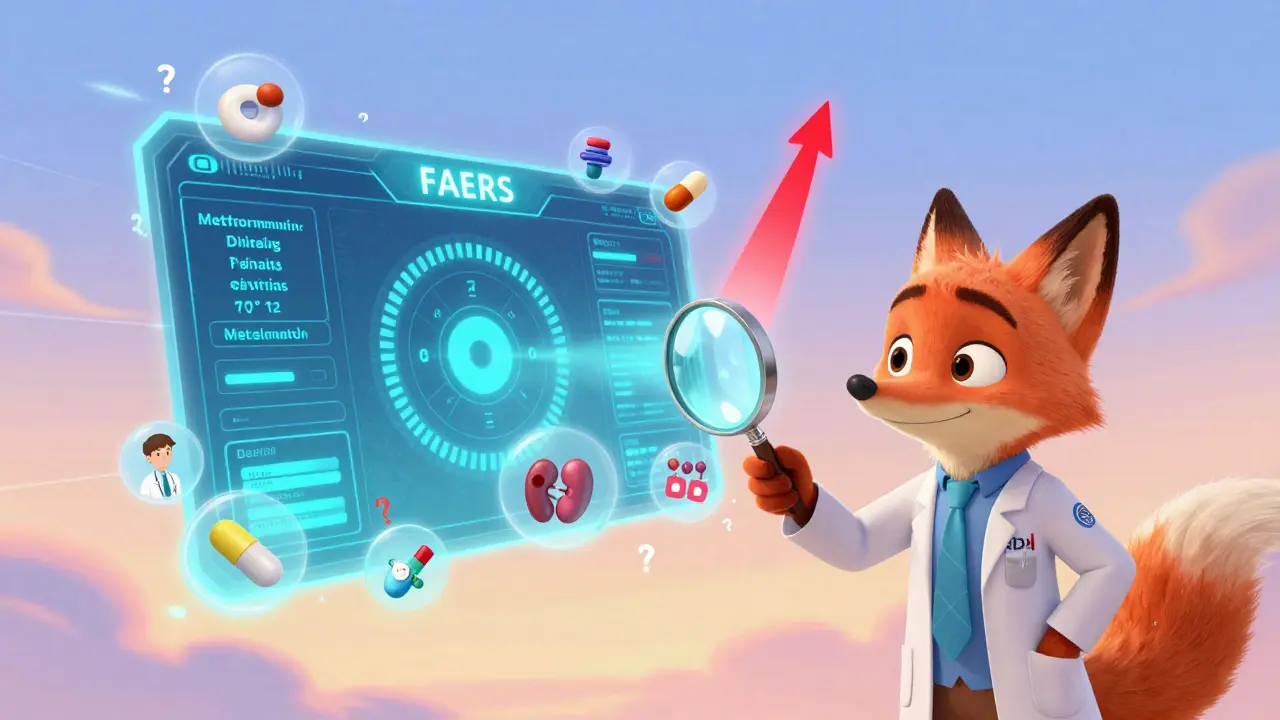
Learn how to search the FDA's FAERS database for drug side effect reports. Understand what the data shows, how to use filters, and why real-time updates matter for drug safety.
Feb, 11 2026
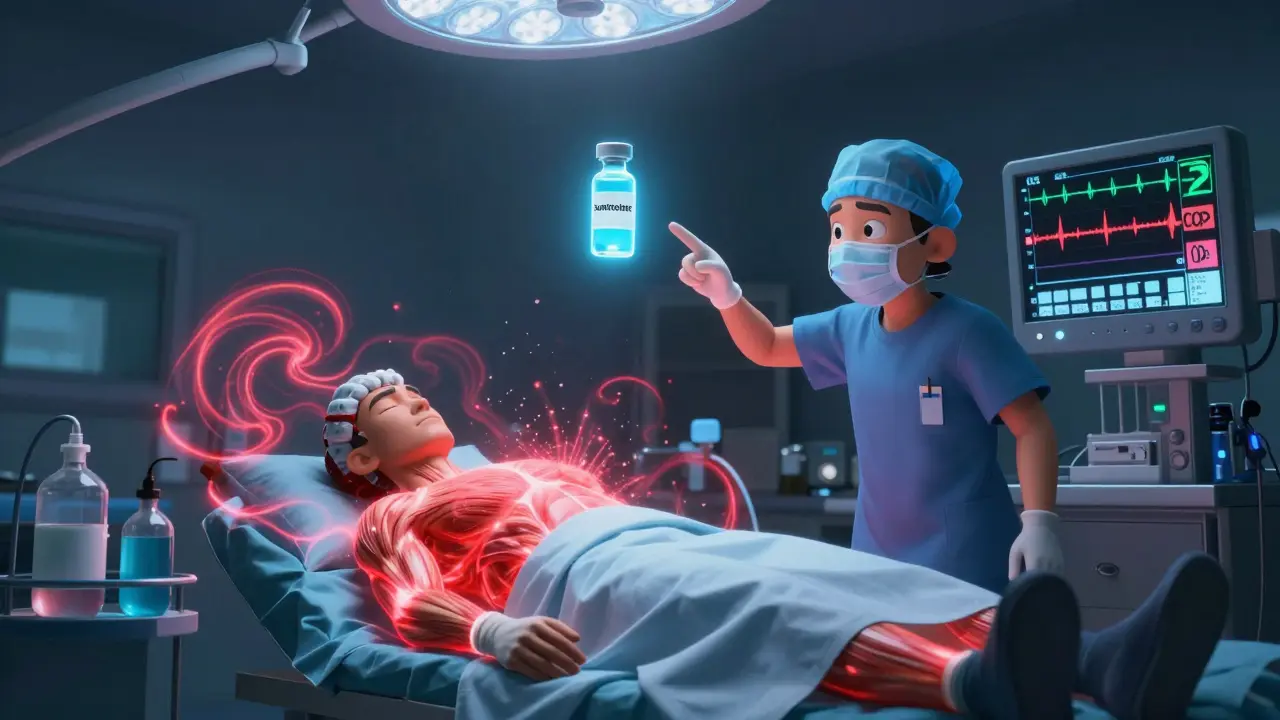
Malignant hyperthermia is a rare but deadly reaction to common anesthesia drugs. Learn how it starts, what signs to watch for, and why immediate dantrolene administration saves lives.
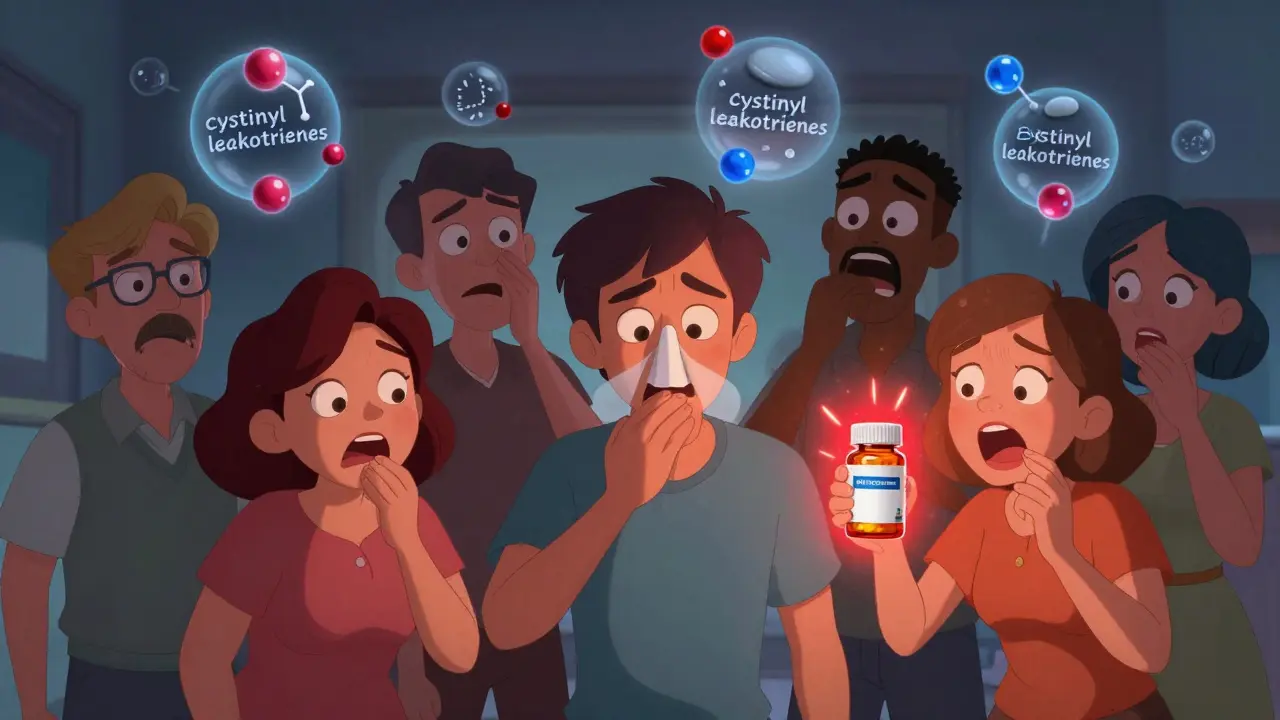
NSAID sensitivity in asthma, known as NERD, affects up to 7% of asthma patients and up to 50% of those with nasal polyps. Learn the signs, triggers, and safe alternatives to avoid life-threatening reactions.
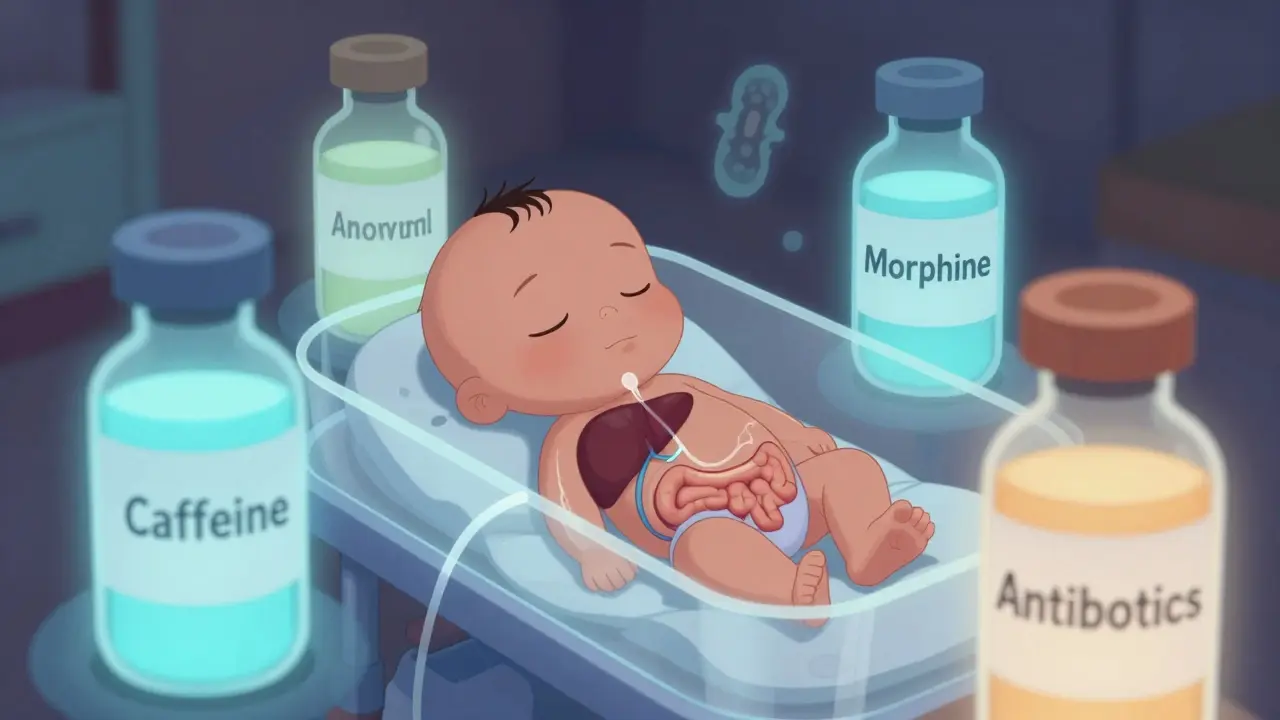
Preterm infants in the NICU face unique risks from medications due to immature organs. Learn how common drugs like opioids, antibiotics, and PPIs can cause lasting harm-and what’s being done to make neonatal care safer.
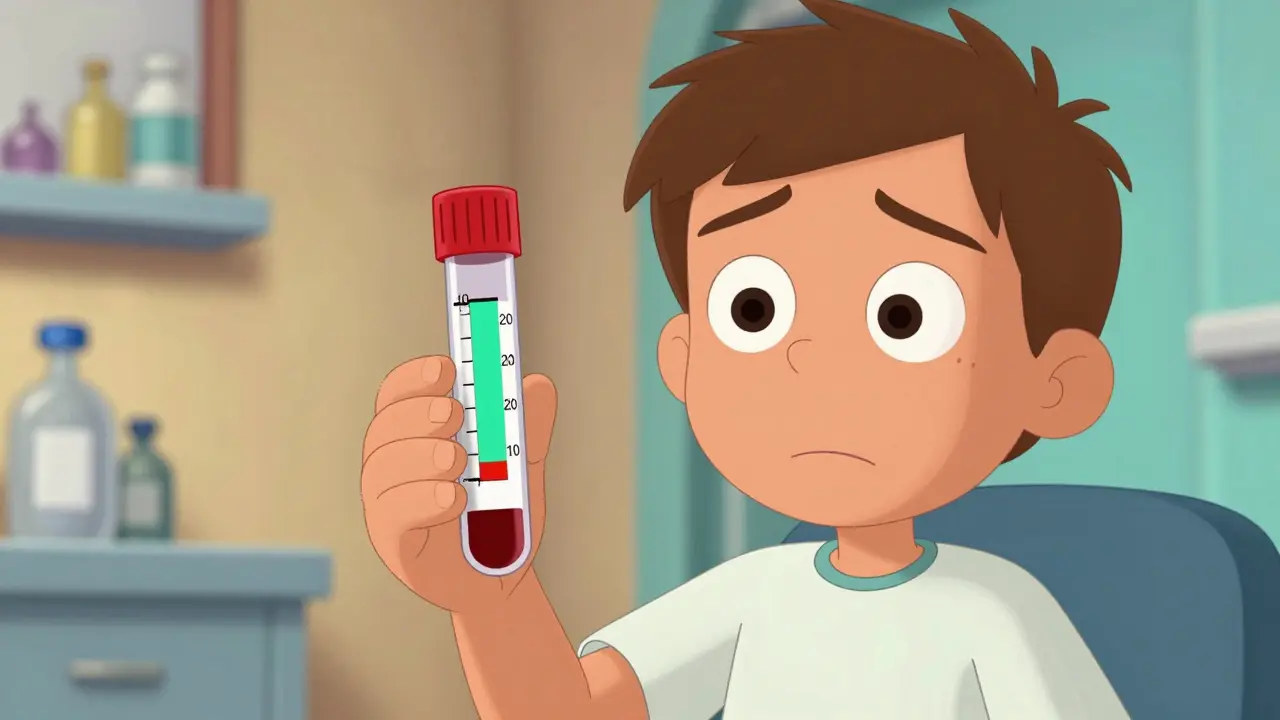
Phenytoin requires careful therapeutic drug monitoring when switching between brand and generic versions due to its narrow therapeutic index. Learn when and how to monitor levels to prevent toxicity or seizures.
Medication autonomy empowers patients to actively participate in choosing their treatments. This article explains how informed consent, shared decision-making, and patient rights shape medication choices. Learn about real-world challenges, patient experiences, and practical steps to take control of your healthcare decisions.
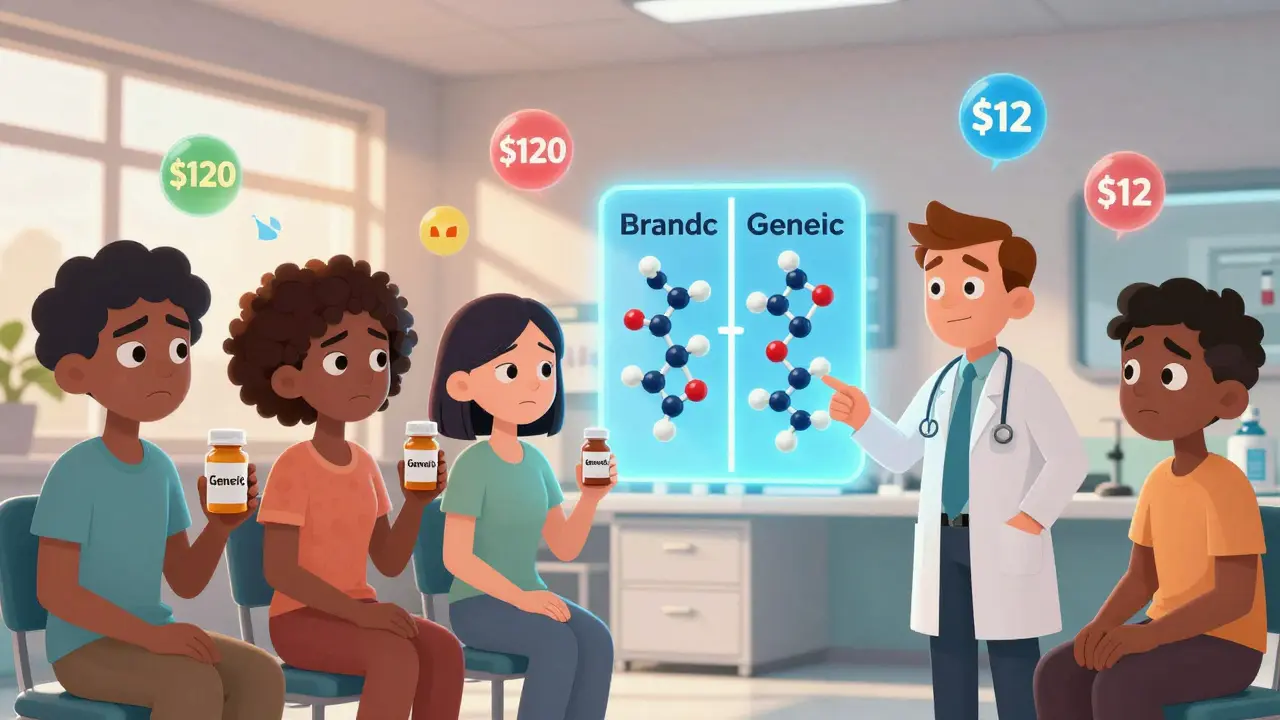
Despite making up 90% of prescriptions, generic drugs face deep-rooted perception issues. Learn how transparency, tech, and better communication are shifting public trust - and why the future isn't about price, but proof.
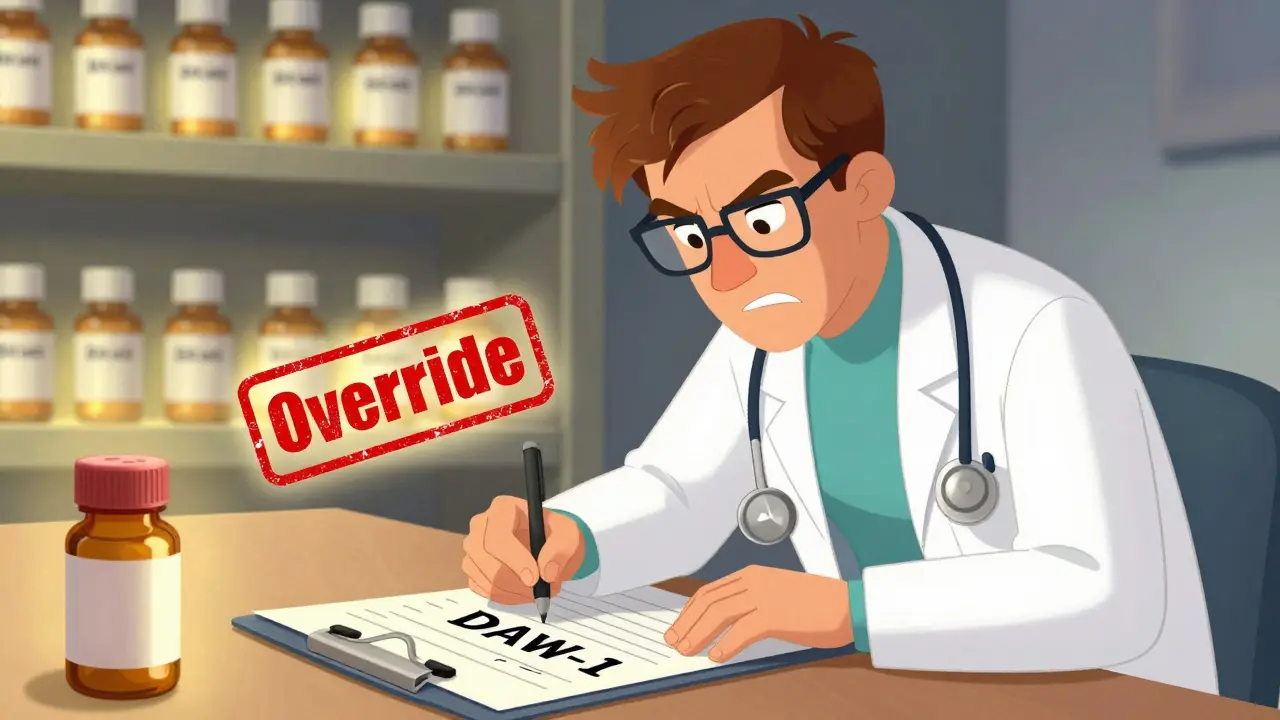
Prescriber override lets doctors require brand-name drugs instead of generics when clinically necessary. Learn how DAW codes, state laws, and electronic systems affect this process-and why mistakes can lead to serious health risks.
Feb, 1 2026
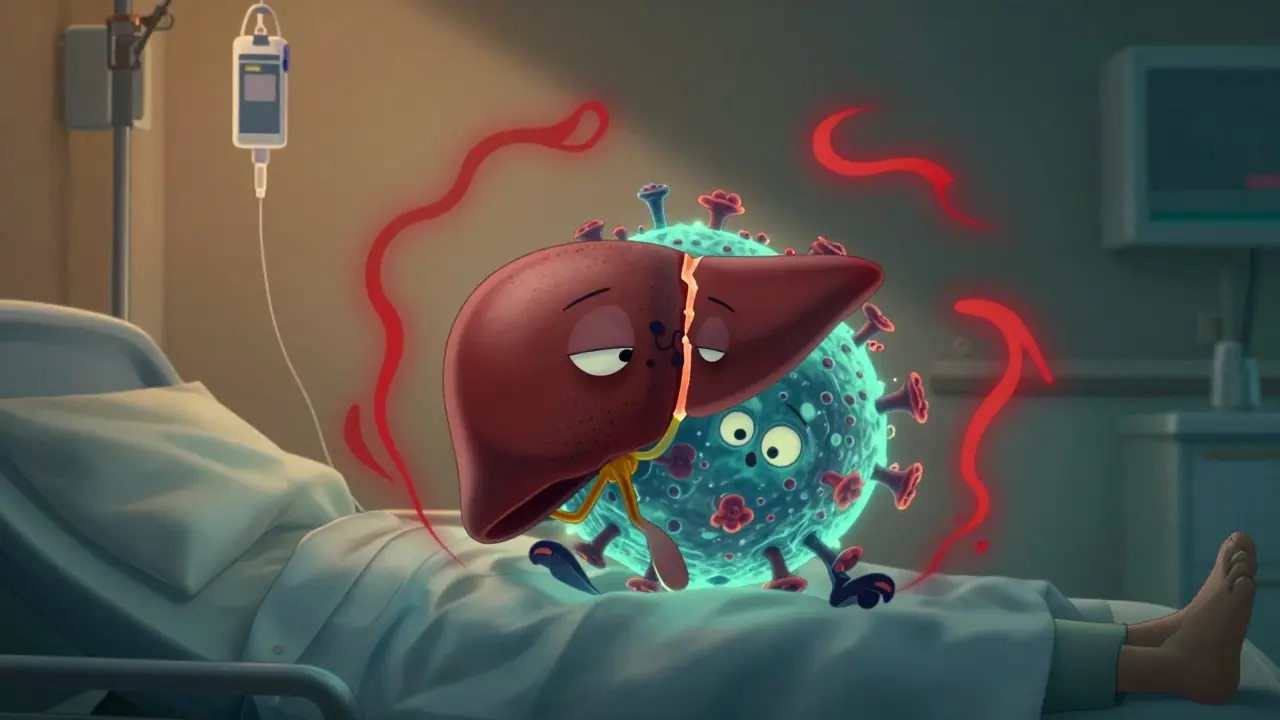
HBV reactivation can turn routine cancer or autoimmune treatments into life-threatening liver events. Learn which drugs trigger it, how to screen for hidden infection, and why antiviral prophylaxis saves lives.