Author: Morgan Macgregor

Learn how to keep medications safe and effective while traveling. Expert tips on temperature control, TSA rules, and avoiding medication degradation.
What does bioequivalent really mean for your medication? Learn how generic drugs are tested, the role of the FDA, and why some people feel a difference between brands.
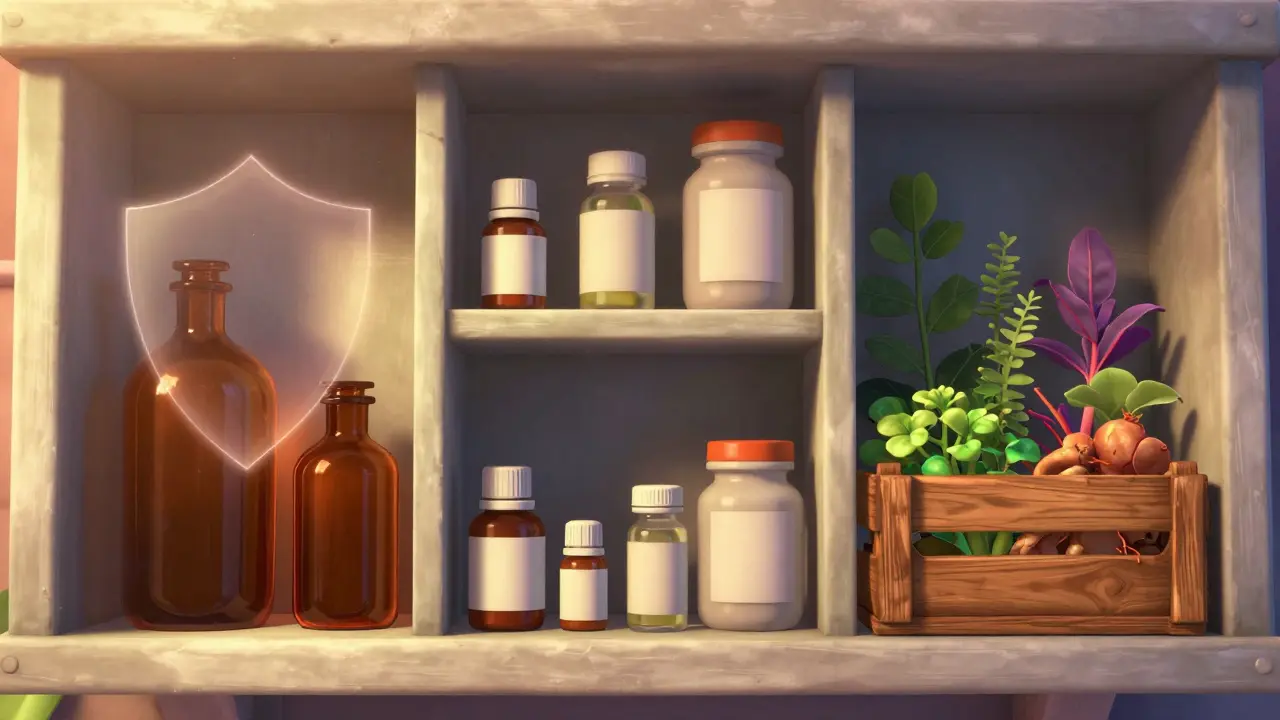
Explore how different medication classes-from generics to herbal supplements-carry distinct side effect profiles. Learn about Narrow Therapeutic Index drugs and why 'natural' doesn't always mean safe.

Essential guide on pediatric medication emergencies. Learn immediate steps, critical symptoms to watch for, and prevention strategies to keep children safe from accidental overdose.
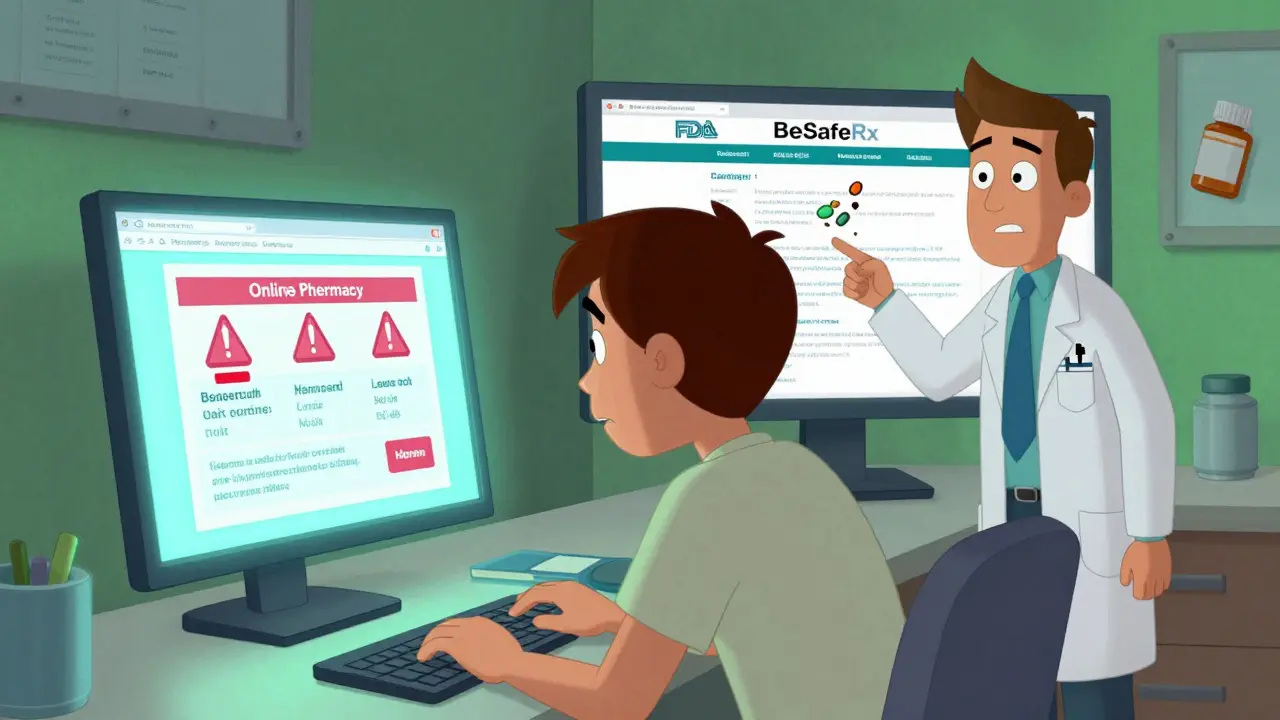
Learn how the FDA and state pharmacy boards work together to regulate online pharmacies, prevent counterfeit drugs, and protect patients from dangerous online sellers. Know the signs of a legal pharmacy and how to stay safe.
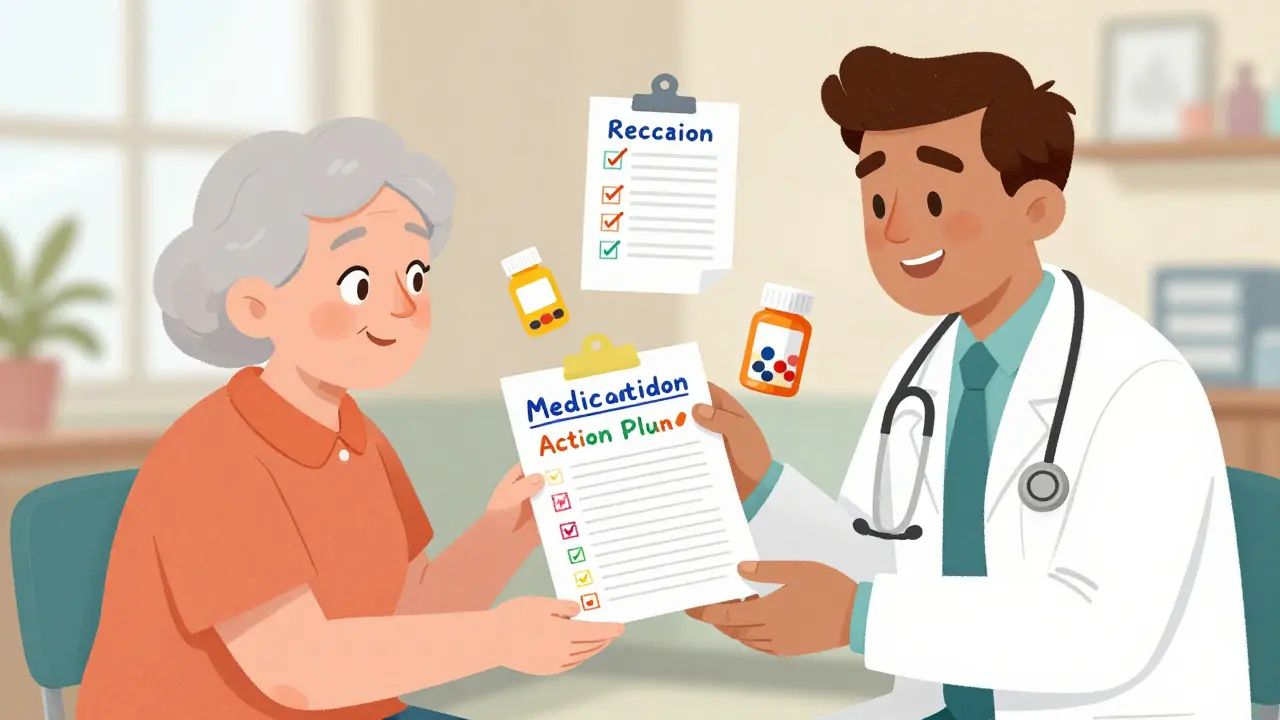
A Medication Action Plan is a simple, structured tool that helps patients and providers communicate clearly about medications. Used correctly during visits, it reduces errors, improves adherence, and prevents dangerous drug interactions. Learn how to prepare, use, and update it effectively.
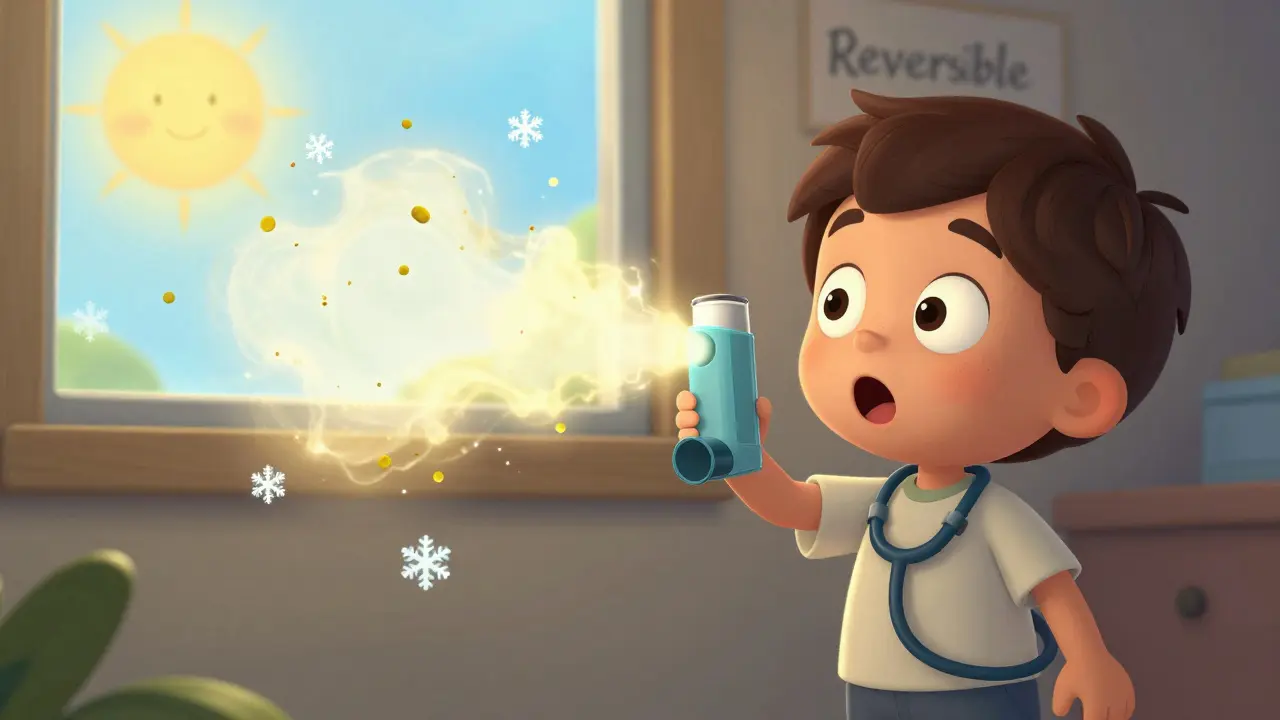
Asthma and COPD both cause breathing trouble, but they're different diseases with different causes, symptoms, and treatments. Learn how to tell them apart and why proper diagnosis matters.

Statins save lives, but muscle pain from exercise is a real concern. Learn how to stay active safely with statins-what workouts to choose, which statins are gentler, and how to avoid serious side effects.
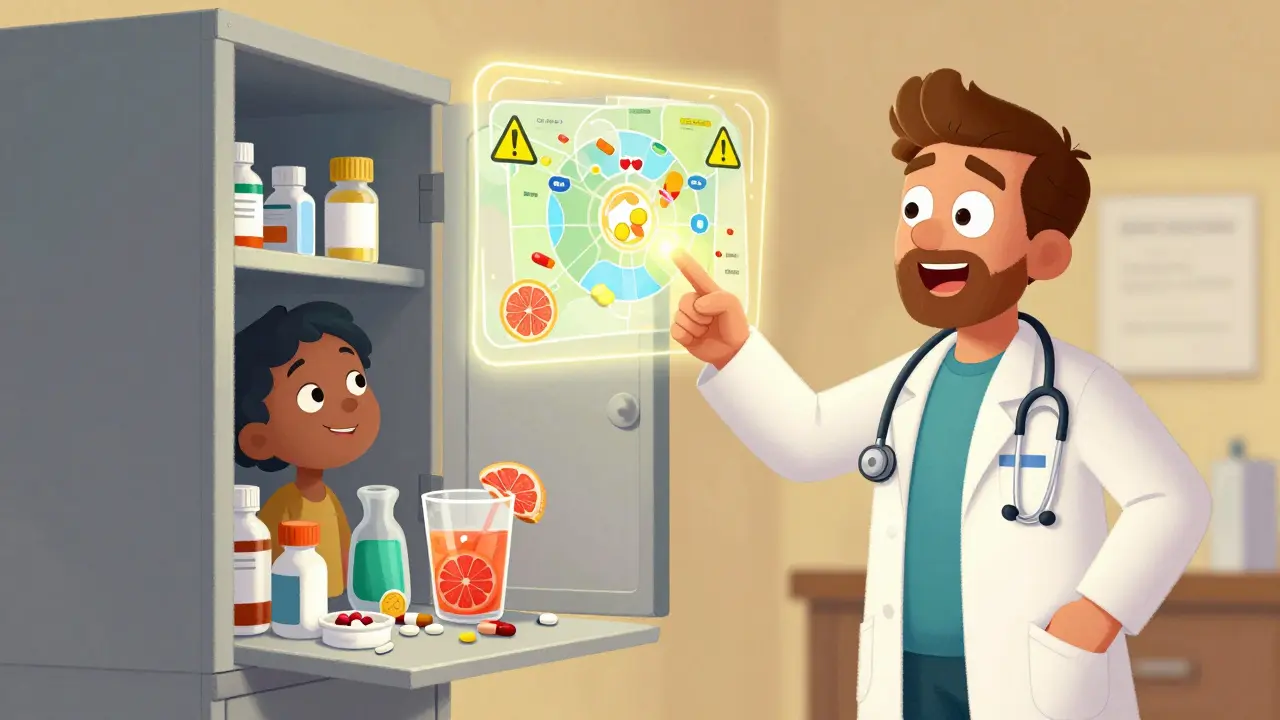
Learn the essential questions to ask your pharmacist about drug interactions to avoid dangerous side effects, reduce emergency visits, and keep your medications working safely. Know what to say about food, supplements, and timing.
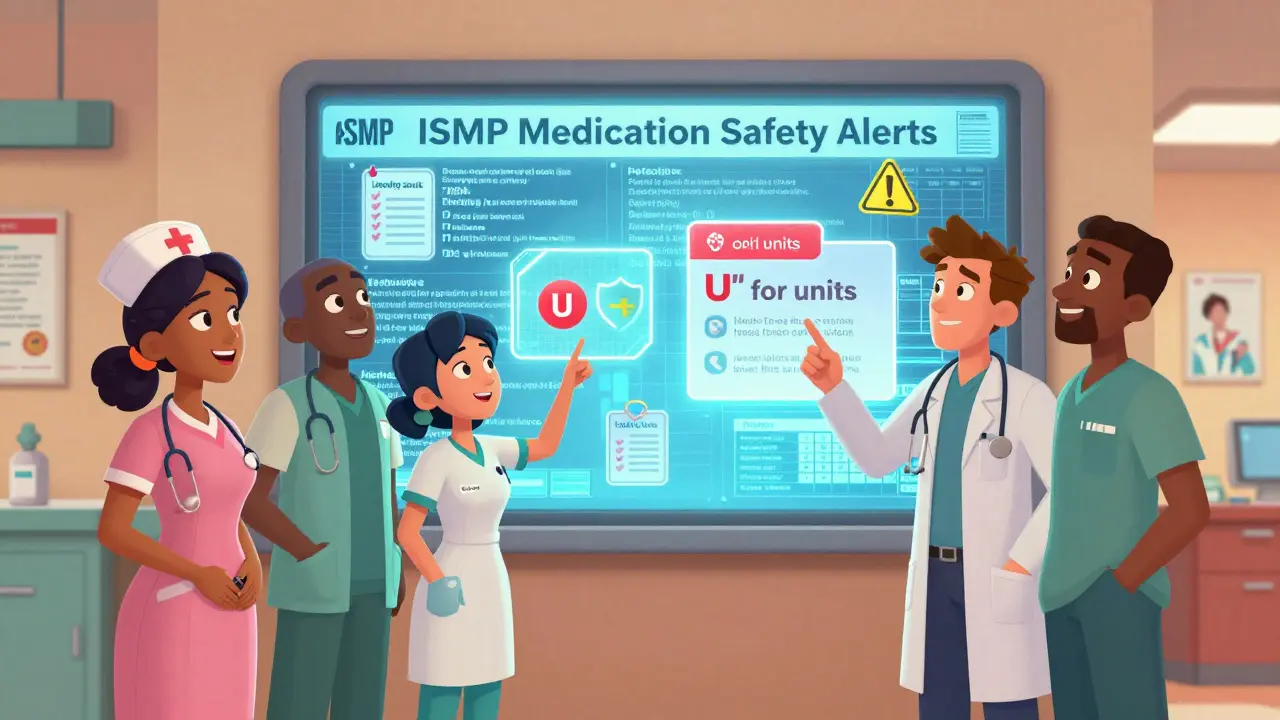
Learn how to track critical medication safety updates from ISMP, FDA, ASHP, AORN, and WHO to prevent errors, protect patients, and stay compliant with current standards.