Category: Medicines and Drugs - Page 2
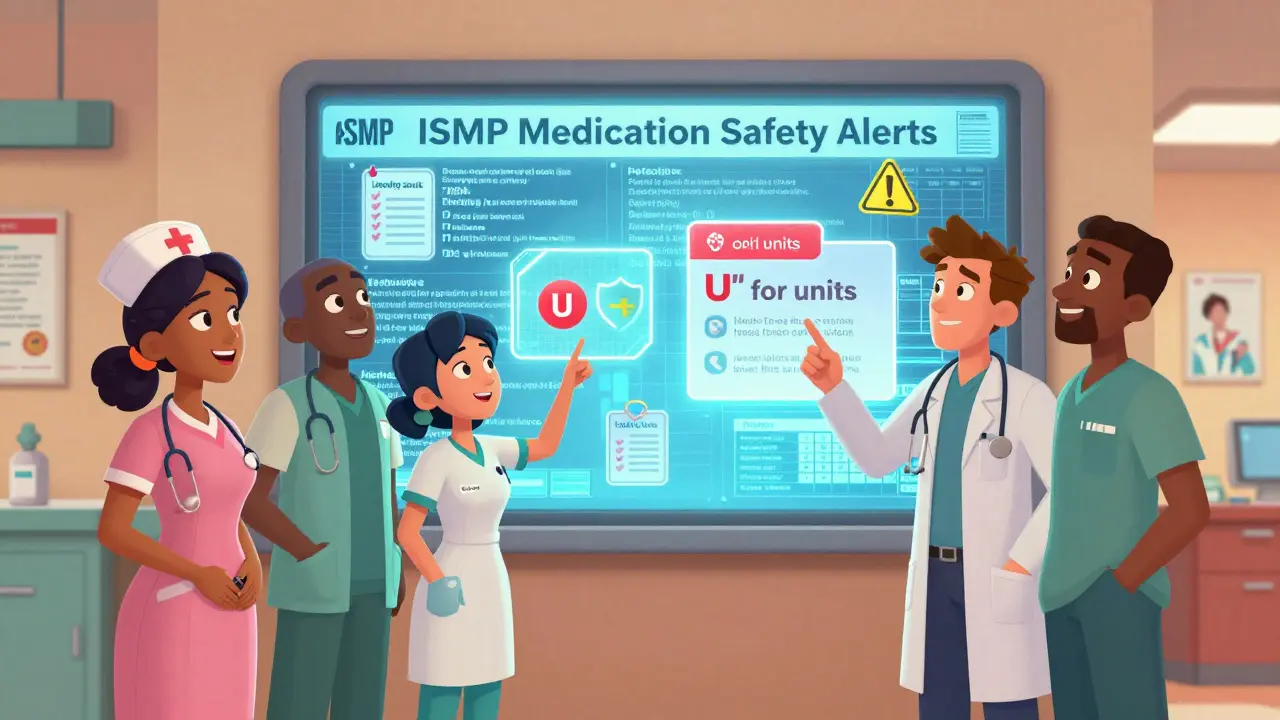
Learn how to track critical medication safety updates from ISMP, FDA, ASHP, AORN, and WHO to prevent errors, protect patients, and stay compliant with current standards.
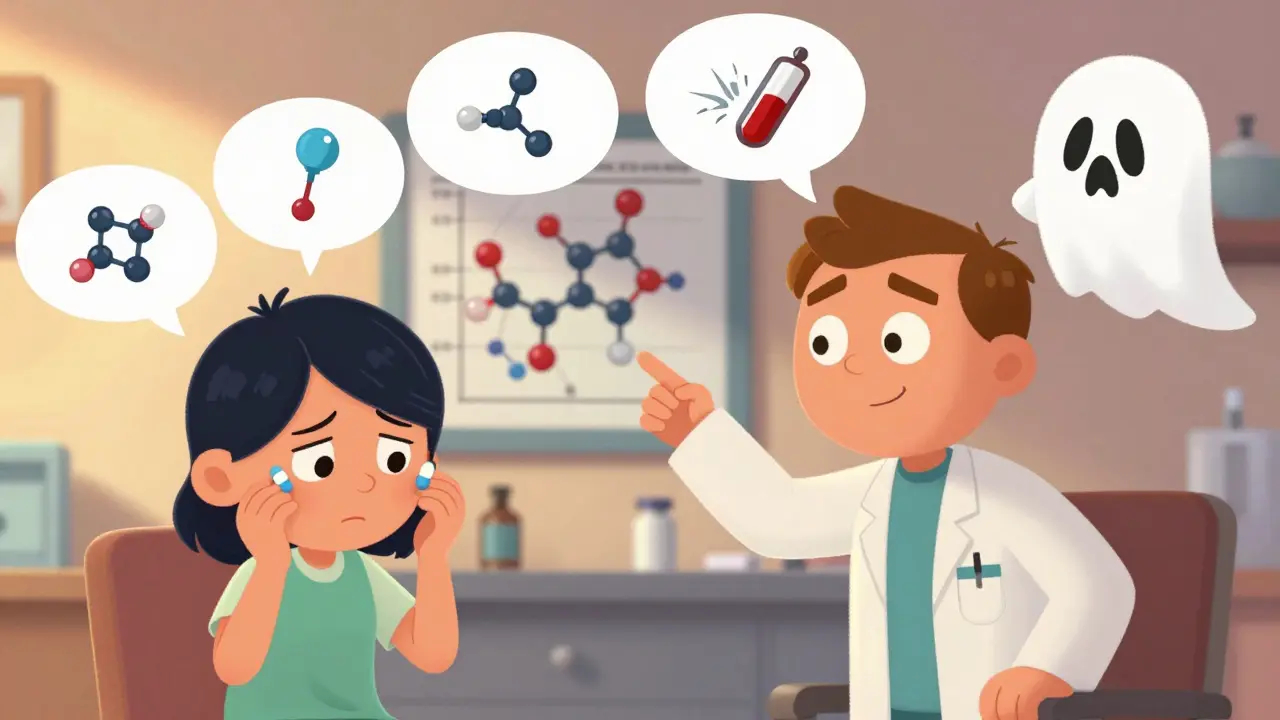
Generic drugs are just as safe as brand-name ones, but misconceptions about unexpected interactions persist. Learn why differences in inactive ingredients and patient perception-not the active drug-are behind most reported issues.
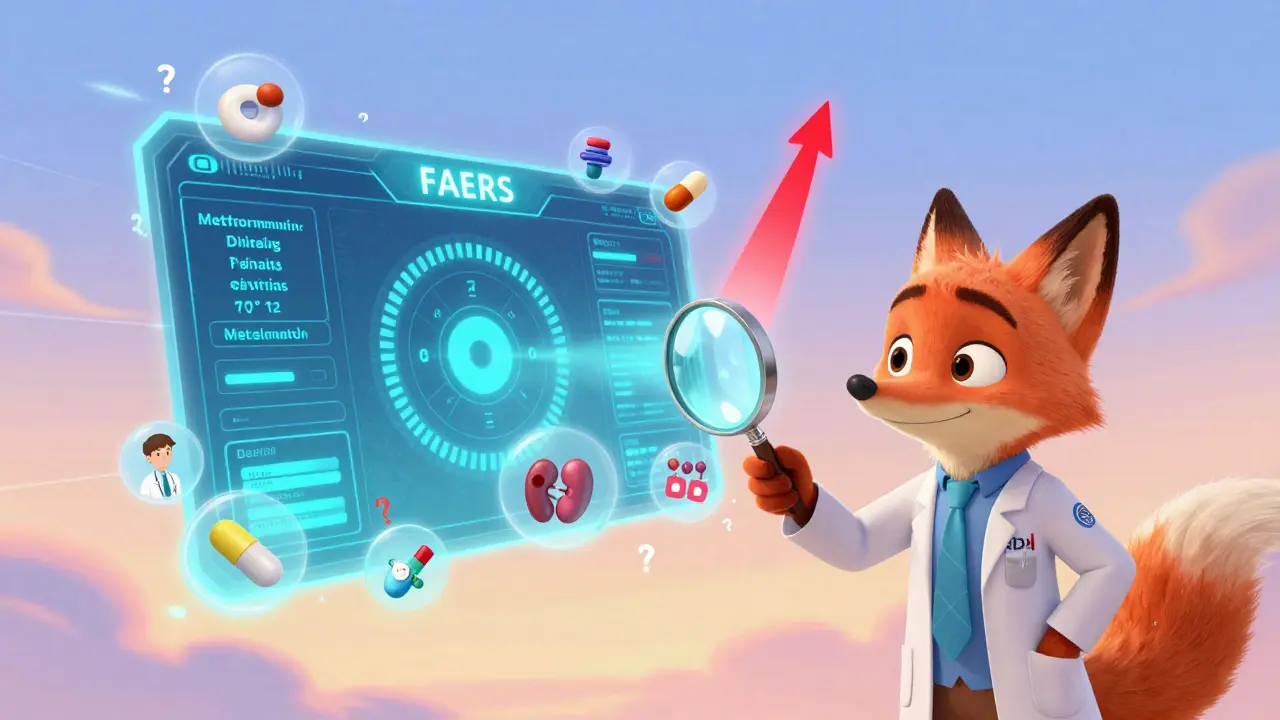
Learn how to search the FDA's FAERS database for drug side effect reports. Understand what the data shows, how to use filters, and why real-time updates matter for drug safety.
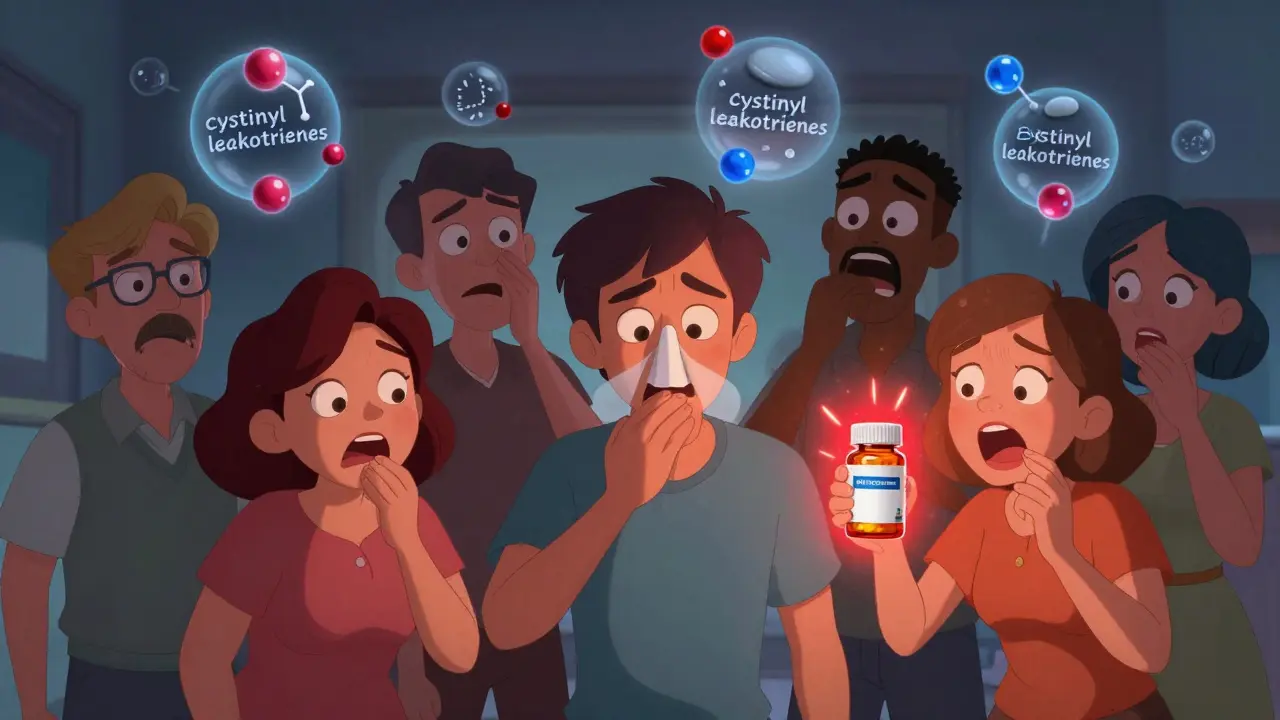
NSAID sensitivity in asthma, known as NERD, affects up to 7% of asthma patients and up to 50% of those with nasal polyps. Learn the signs, triggers, and safe alternatives to avoid life-threatening reactions.
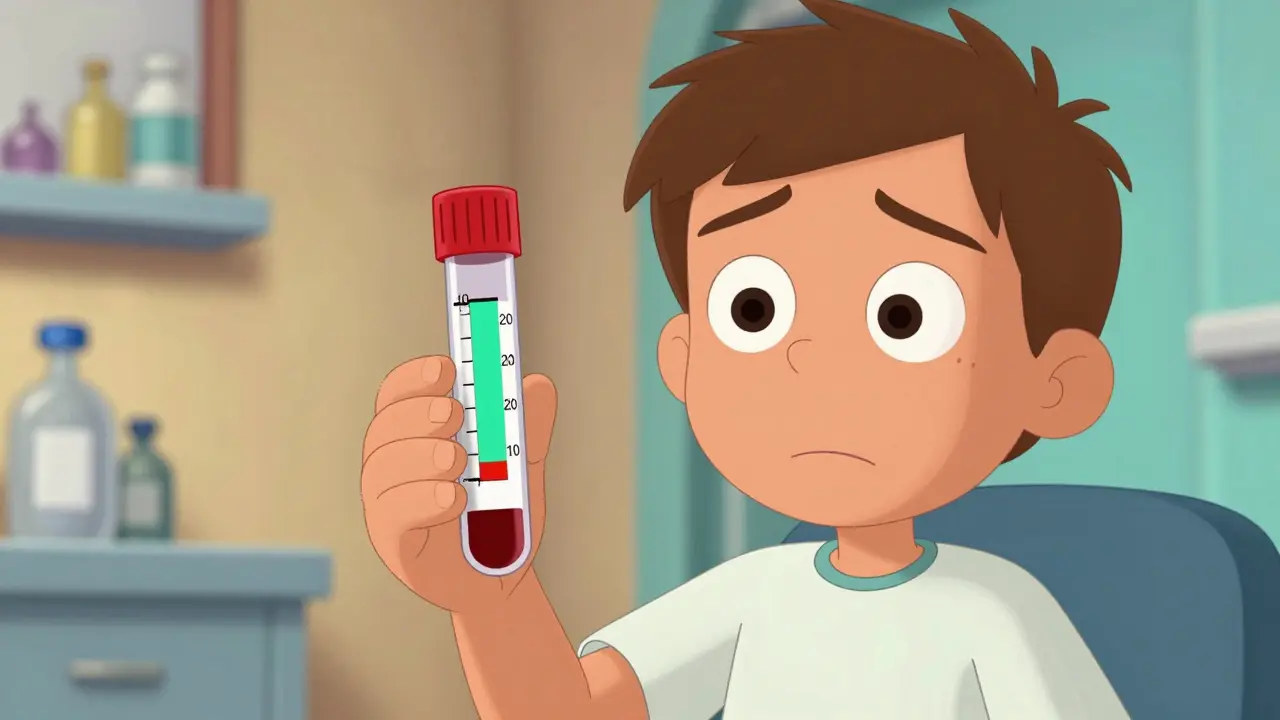
Phenytoin requires careful therapeutic drug monitoring when switching between brand and generic versions due to its narrow therapeutic index. Learn when and how to monitor levels to prevent toxicity or seizures.
Medication autonomy empowers patients to actively participate in choosing their treatments. This article explains how informed consent, shared decision-making, and patient rights shape medication choices. Learn about real-world challenges, patient experiences, and practical steps to take control of your healthcare decisions.
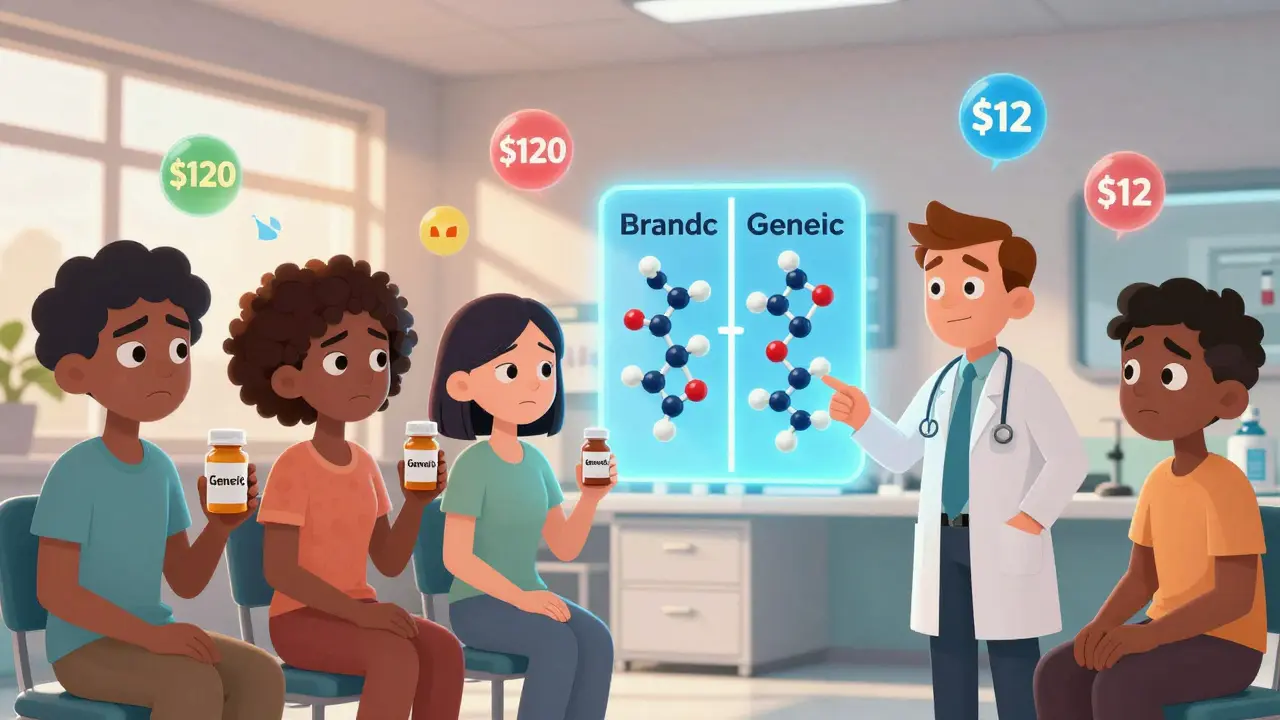
Despite making up 90% of prescriptions, generic drugs face deep-rooted perception issues. Learn how transparency, tech, and better communication are shifting public trust - and why the future isn't about price, but proof.
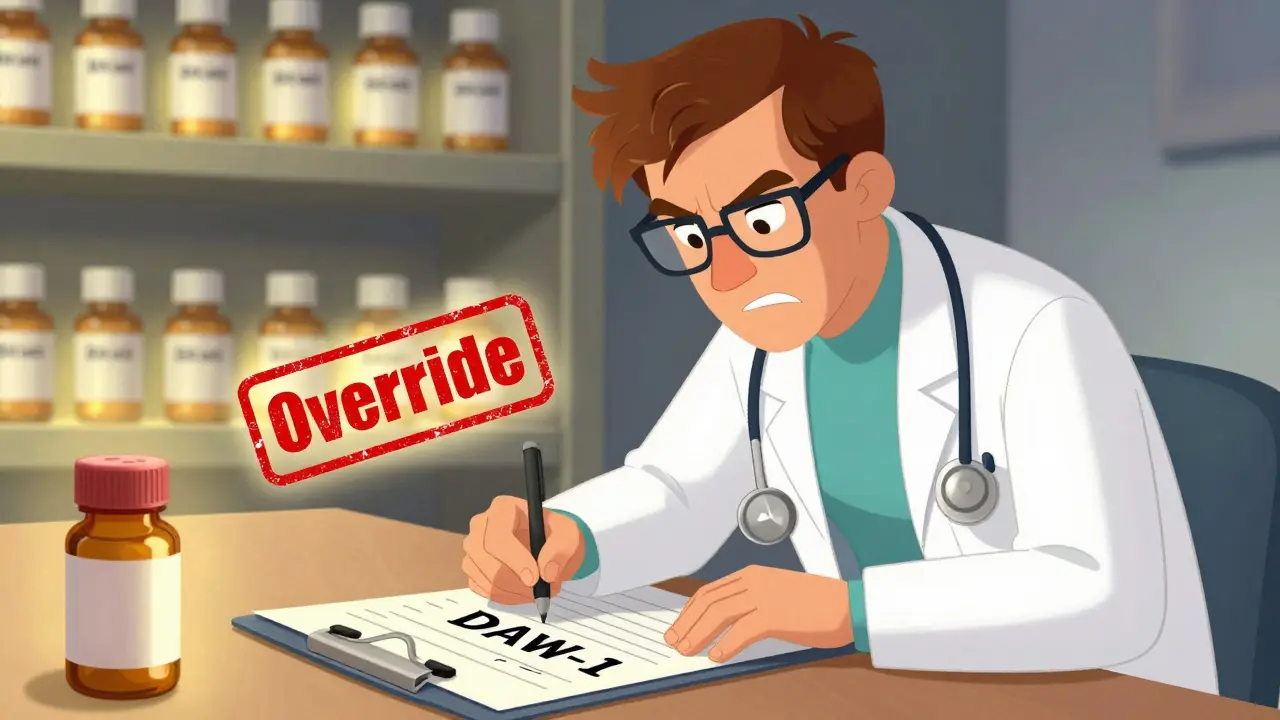
Prescriber override lets doctors require brand-name drugs instead of generics when clinically necessary. Learn how DAW codes, state laws, and electronic systems affect this process-and why mistakes can lead to serious health risks.
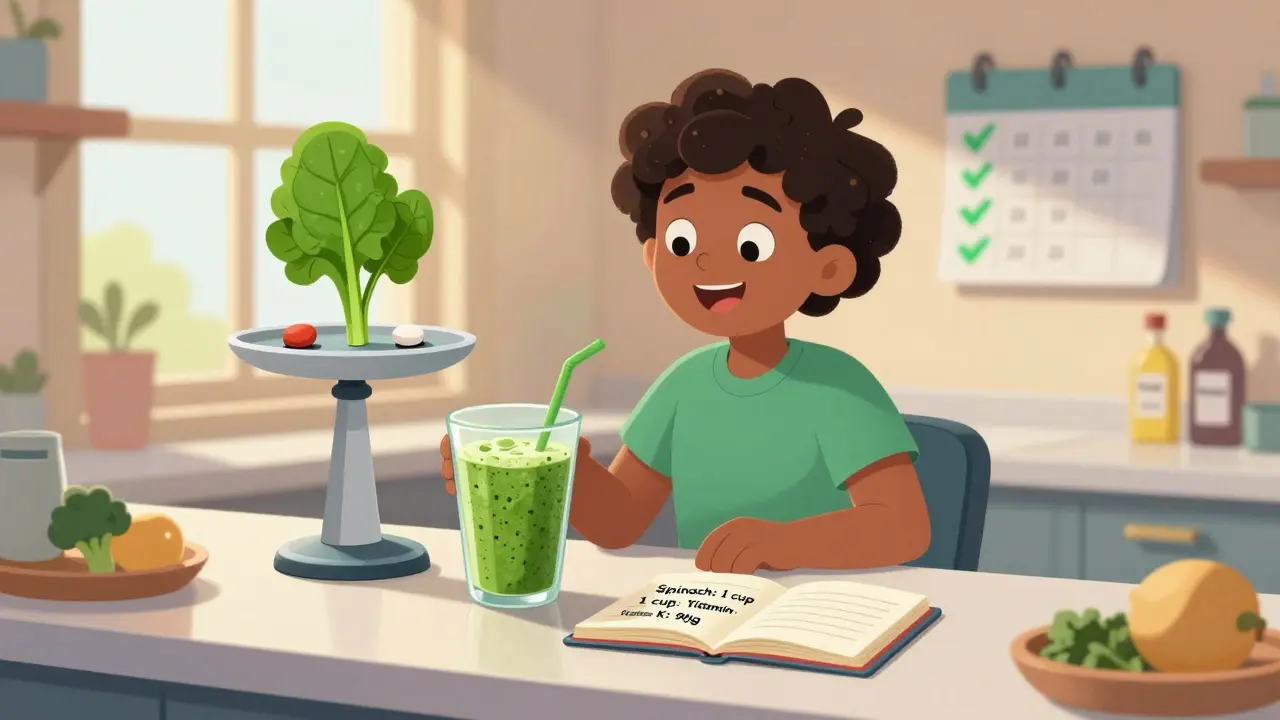
Learn how to eat vitamin K foods safely on warfarin by maintaining consistent daily intake instead of avoiding greens. Discover which foods affect INR, how to build a stable routine, and why consistency beats restriction.
Switching to generic drugs can cause real side effects for some people, especially with high-risk medications like thyroid drugs, antiepileptics, and anticoagulants. Learn when to worry and what to do.