Author: Taro White - Page 3
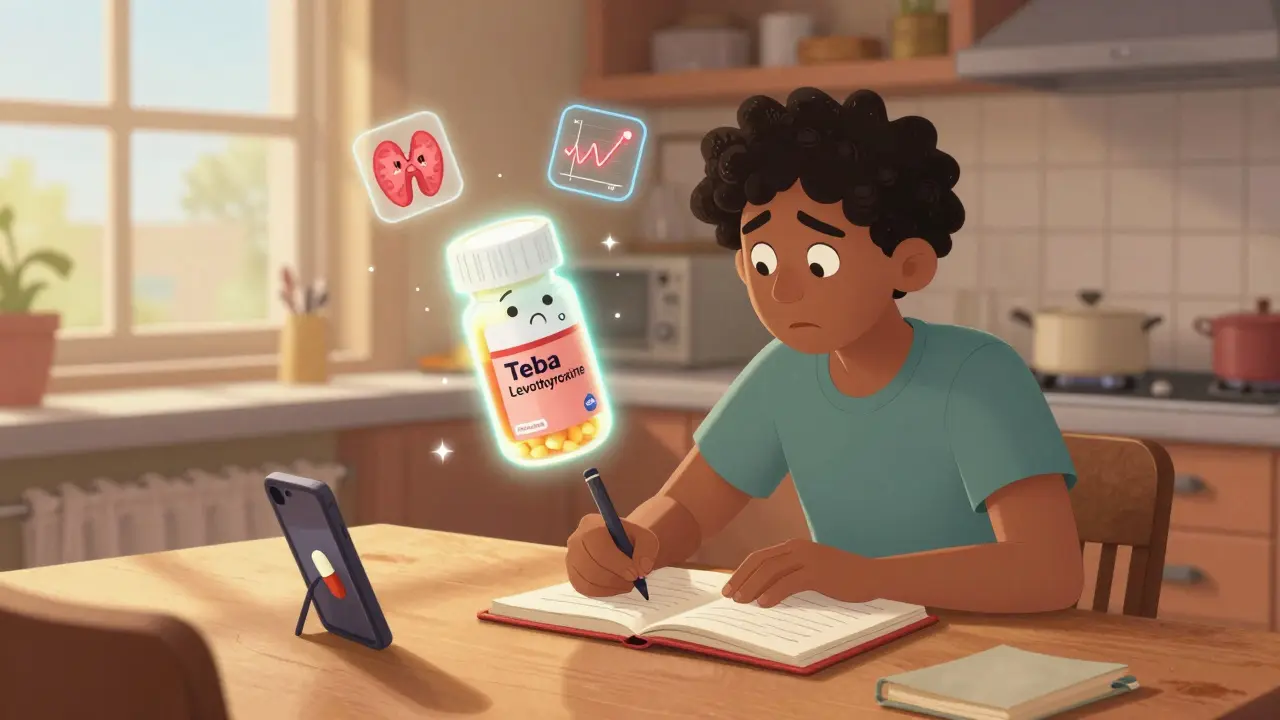
Keep a medication journal to track how your body reacts when switching to generic drugs. Learn what to record, which medications need it most, and how to use your journal to talk to your doctor.
Jan, 11 2026
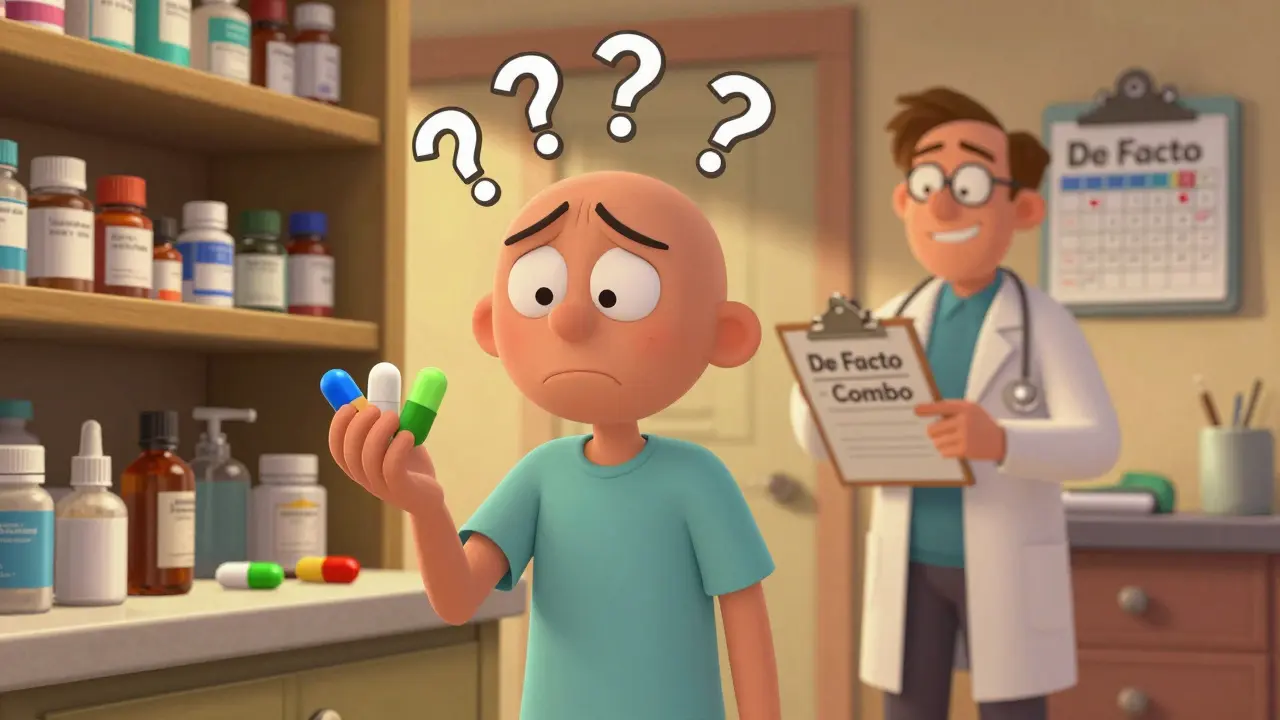
Many patients take separate generic pills instead of fixed-dose combinations (FDCs) to save money or get flexible dosing. But this 'de facto combination' can be risky - with untested interactions, lower adherence, and hidden safety issues. Here’s what you need to know.

Second and third generic drug manufacturers drive prescription prices down by 50% or more. Learn how competition after patent expiry saves billions and why fewer competitors can lead to higher costs.
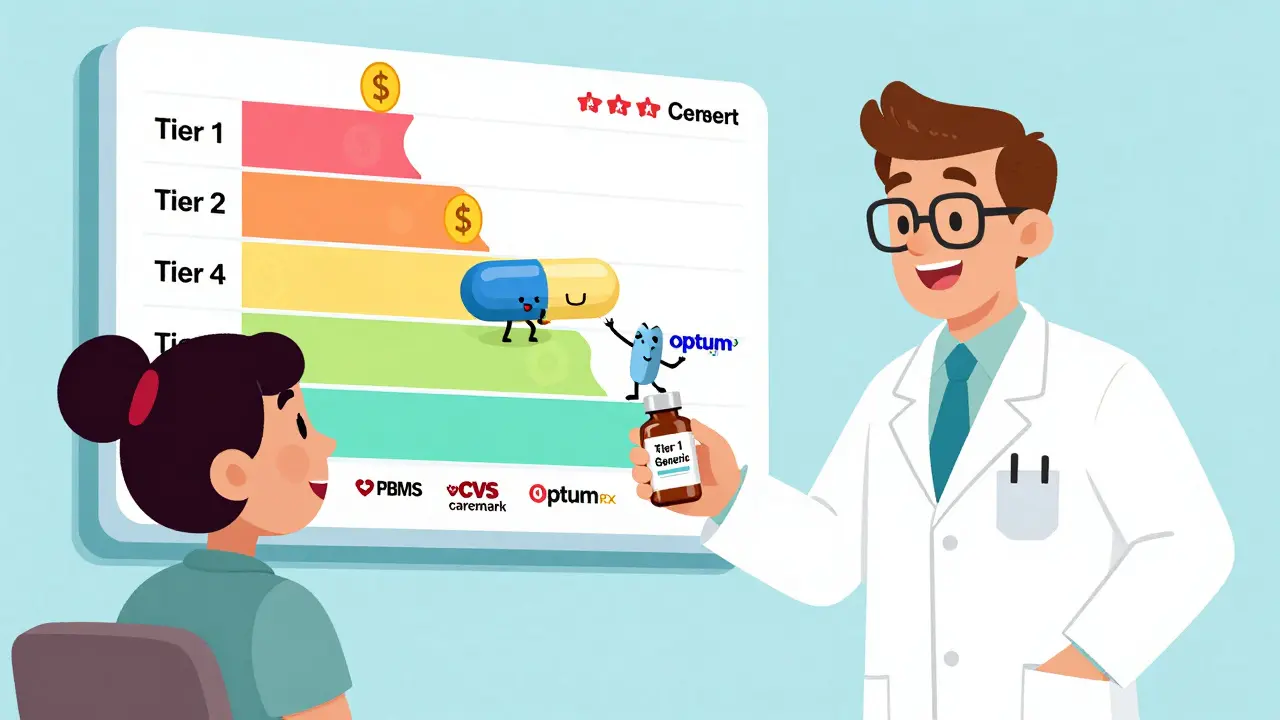
Insurers prefer generic drugs because they're 80-85% cheaper than brand names and just as effective. Learn how formularies work, why some drugs get blocked, and what you can do to save money.
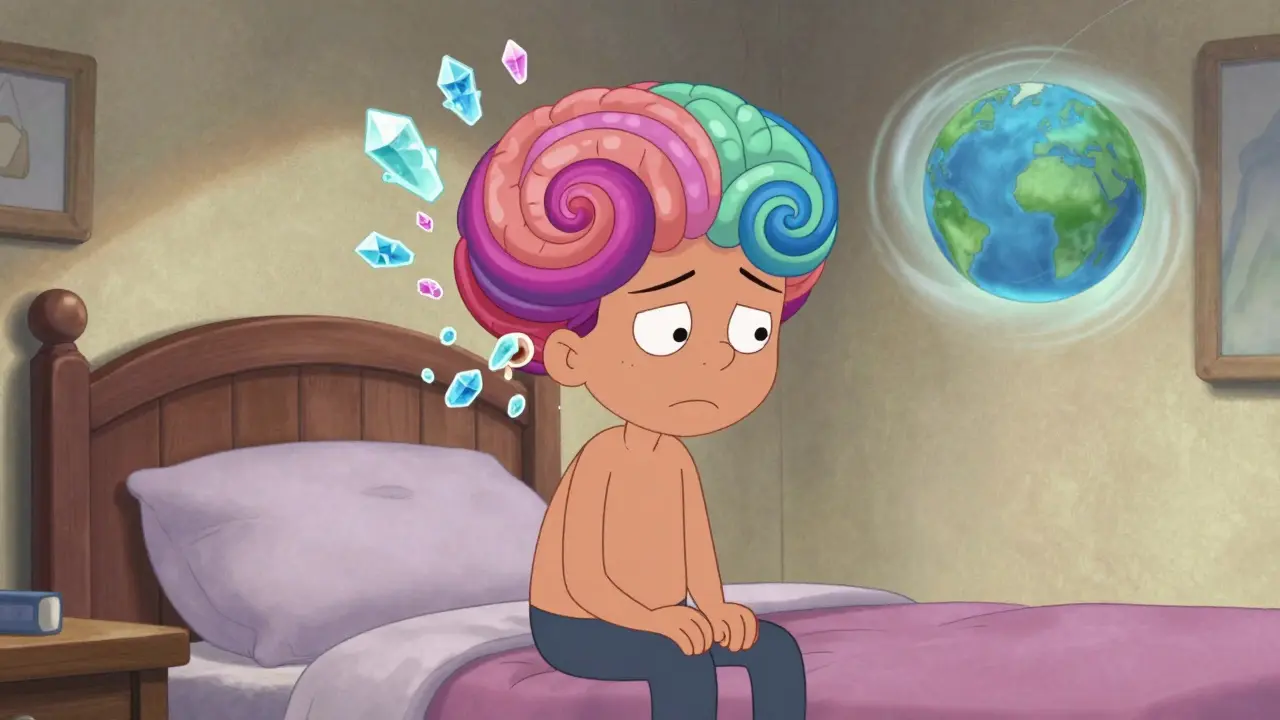
Vertigo and dizziness are not the same. Vertigo means you feel spinning, often from inner ear issues like BPPV. Dizziness is lightheadedness, often from low blood pressure or anxiety. Knowing the difference can save you months of misdiagnosis.
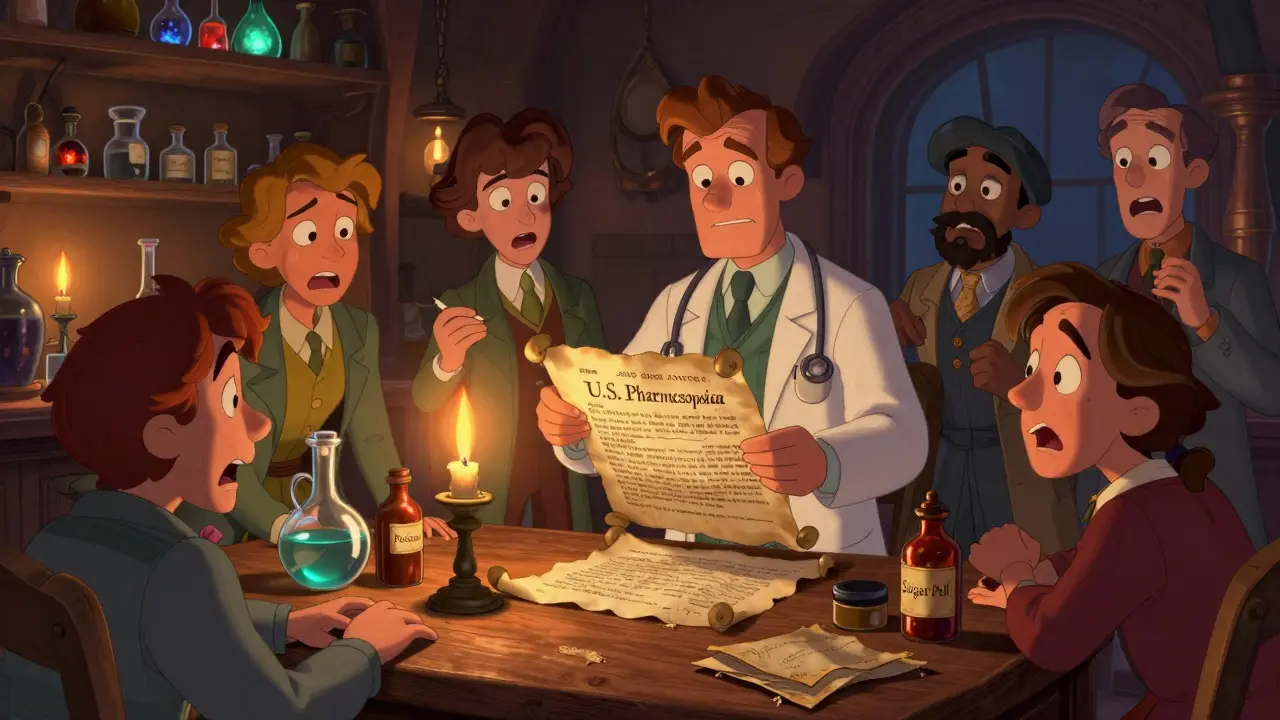
Generic drugs now make up over 90% of U.S. prescriptions, saving billions annually. This is their story - from dangerous 19th-century medicines to the Hatch-Waxman Act and modern supply chain challenges.
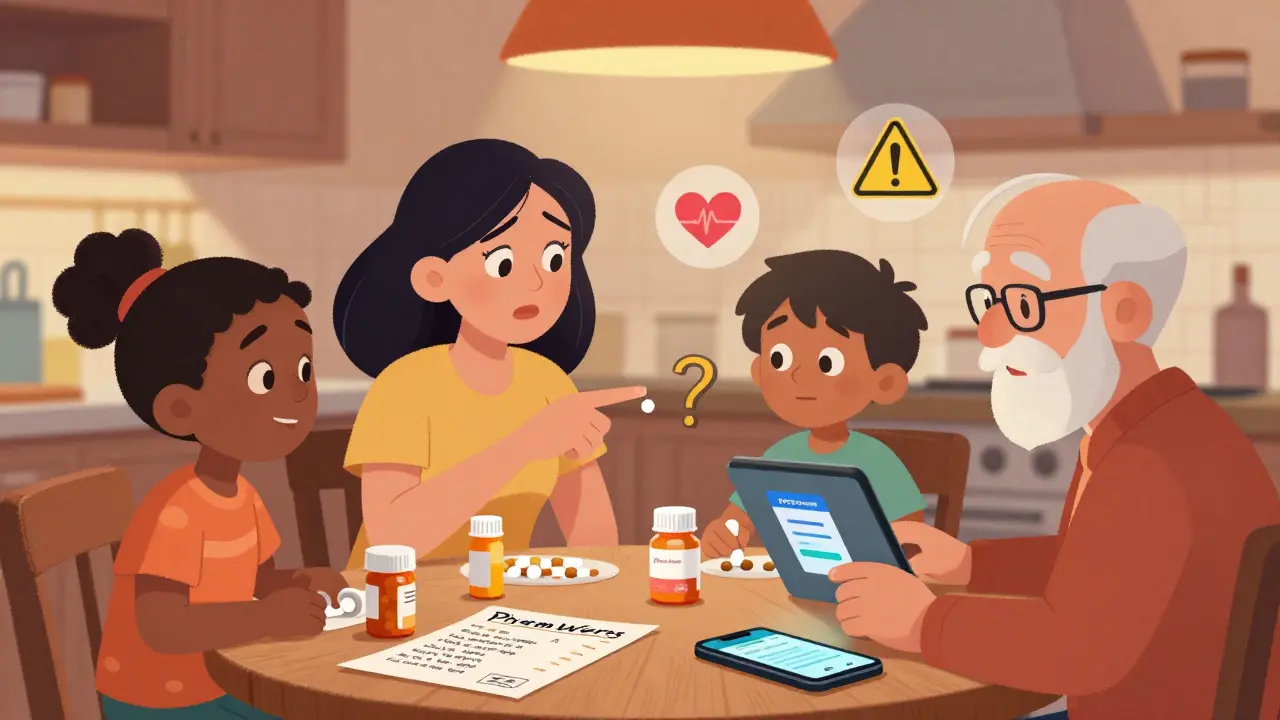
Medication errors harm over 1.5 million people yearly. Learn the most dangerous drugs, why mistakes happen, and how to protect yourself from preventable harm-backed by global statistics and real-world data.
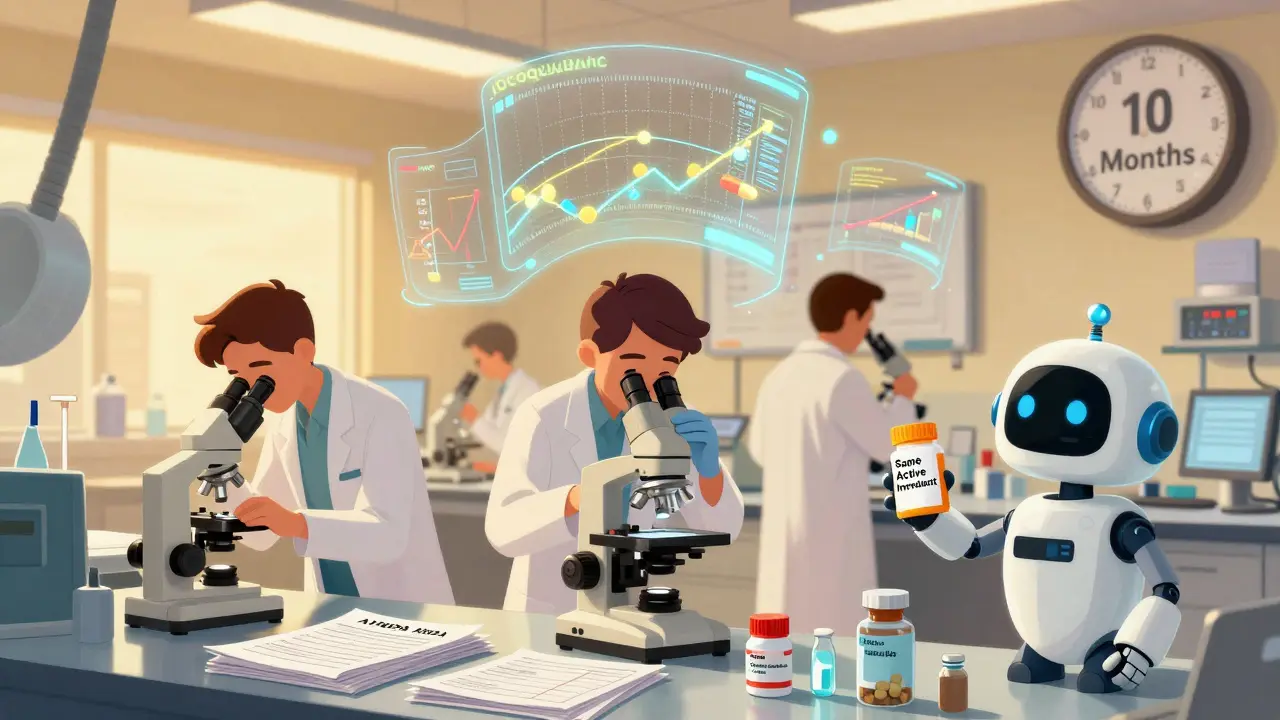
The FDA Office of Generic Drugs ensures affordable, high-quality generic medications reach patients by reviewing applications, enforcing bioequivalence standards, and managing patent exclusivity under GDUFA and the Hatch-Waxman Act.
Dec, 28 2025
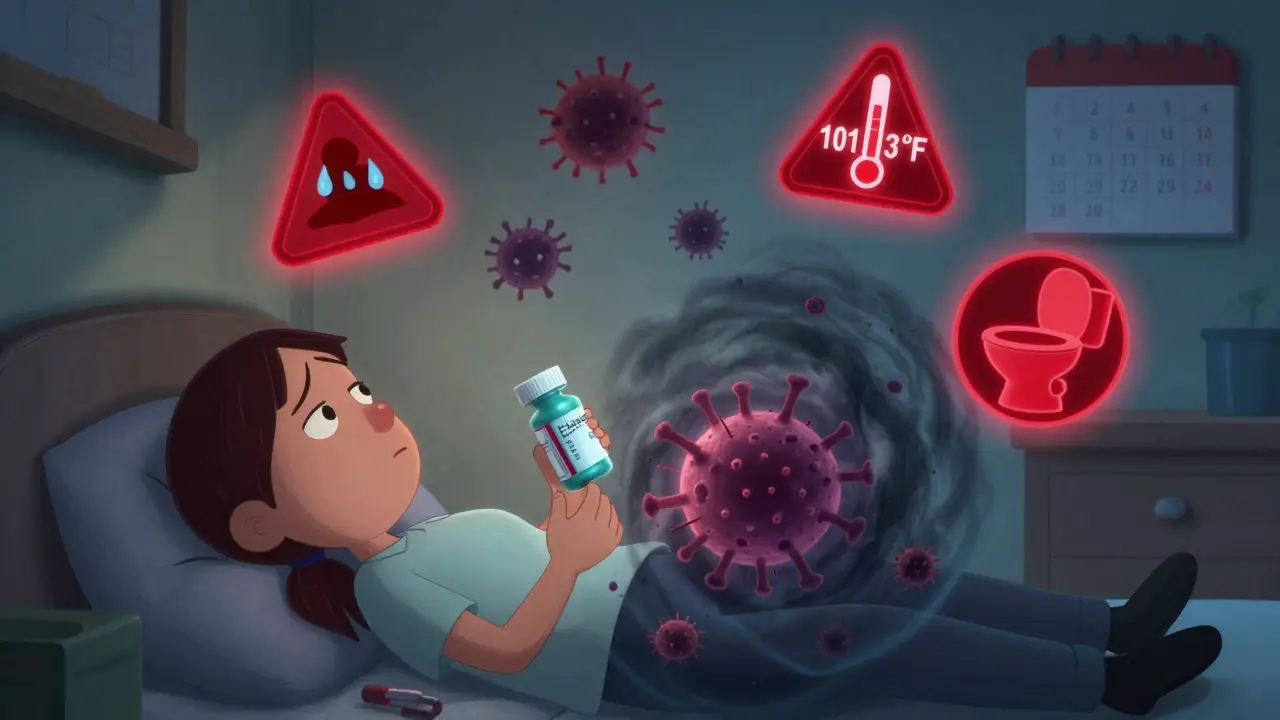
Clindamycin can trigger a dangerous gut infection called C. difficile. Learn the warning signs, when to seek care, and how to protect yourself from this serious antibiotic side effect.
Dec, 25 2025
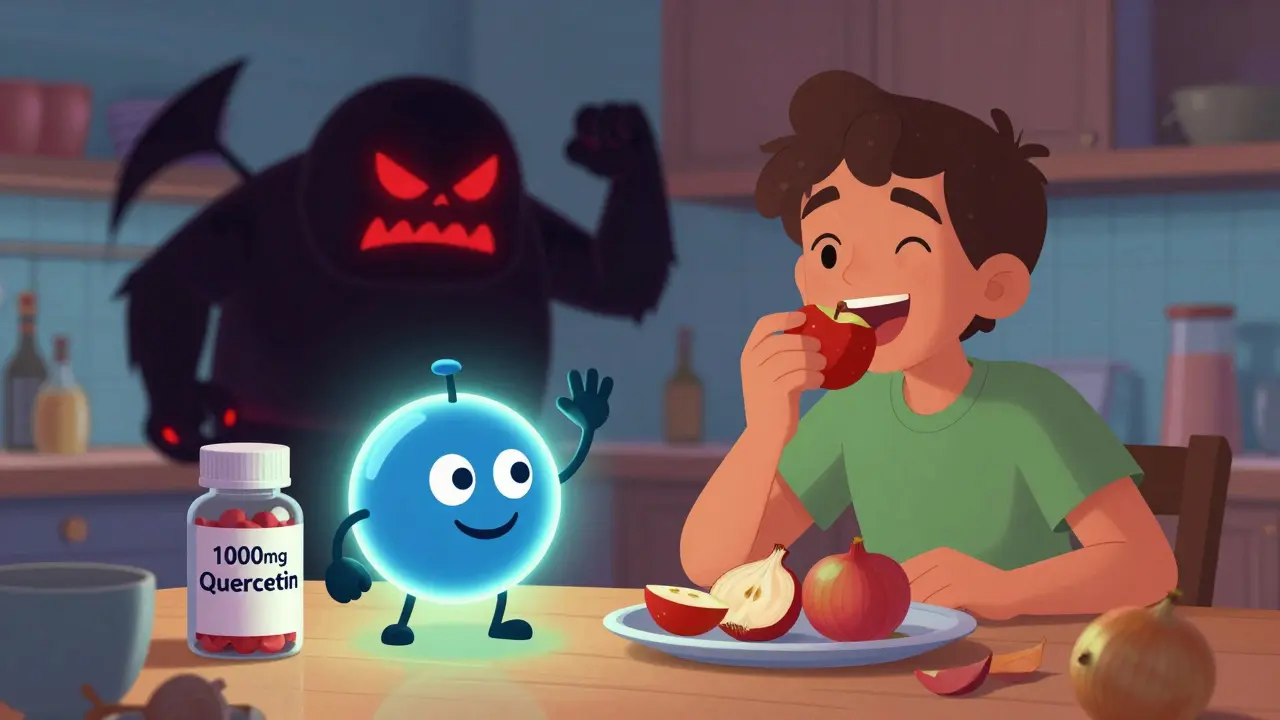
Quercetin supplements can dangerously raise levels of common medications by blocking liver enzymes. Learn which drugs are affected, who's at risk, and how to avoid life-threatening interactions.