Category: Medicines and Drugs - Page 3

Otitis media is a common ear infection in children, often treated with antibiotics-but not always. Learn when antibiotics are necessary, how to manage pain, and what new guidelines mean for your child’s care.
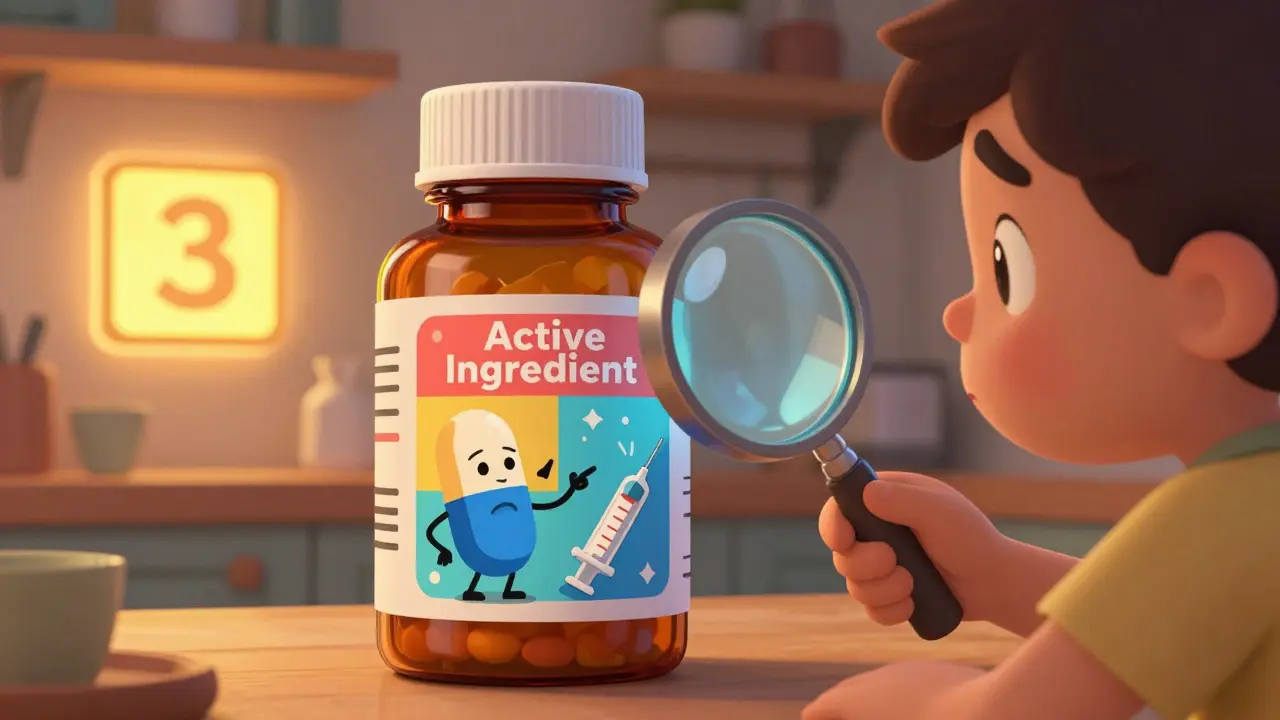
Learn how to read medication labels correctly to avoid dangerous mistakes. Understand dosage, directions, warnings, and what to do when you're unsure - with clear, practical advice for safe medicine use.

Scopolamine is the most effective motion sickness medication, but its powerful sedative effects can become dangerous when combined with alcohol, sleep aids, or opioids. Learn how to use it safely and what alternatives work better.

Many common medications cause insomnia by disrupting sleep hormones and brain chemistry. Learn which drugs are most likely to ruin your sleep and practical, science-backed ways to fix it without quitting your prescriptions.
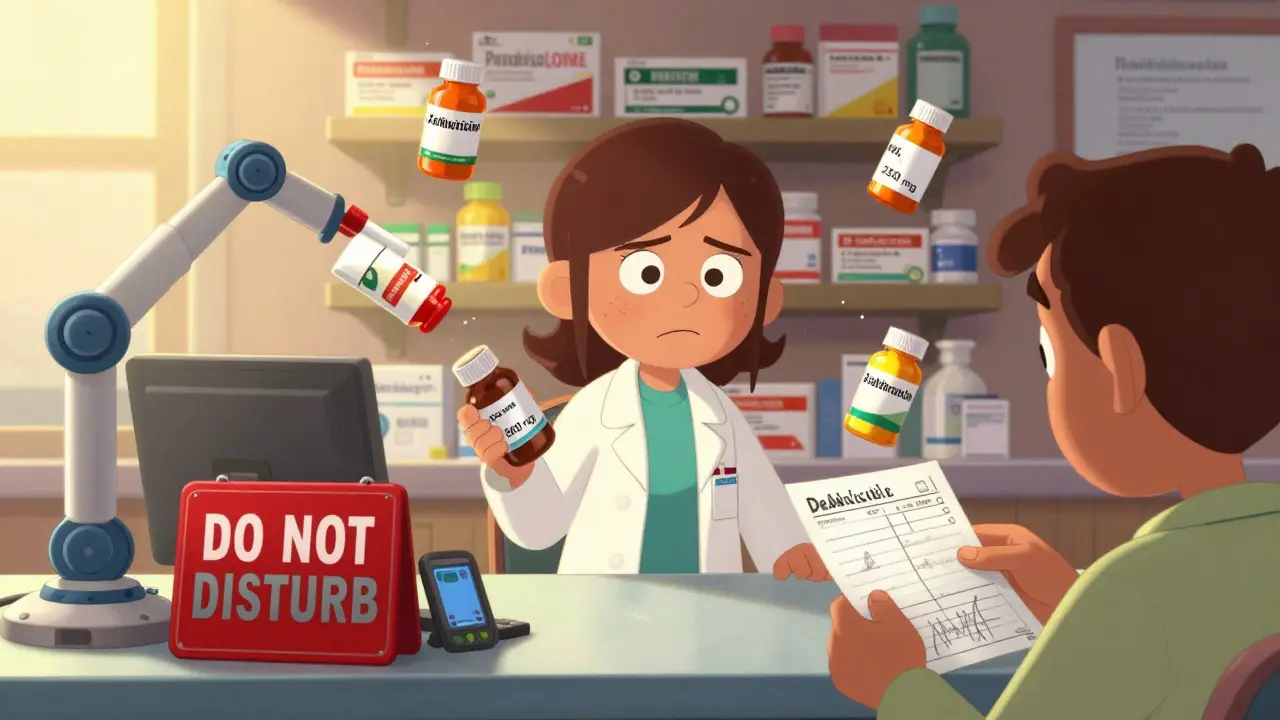
Discover the most common pharmacy dispensing errors, why they happen, and how proven systems like barcode scanning, double-checks, and clinical alerts can prevent them - saving lives and reducing harm.
Jan, 17 2026
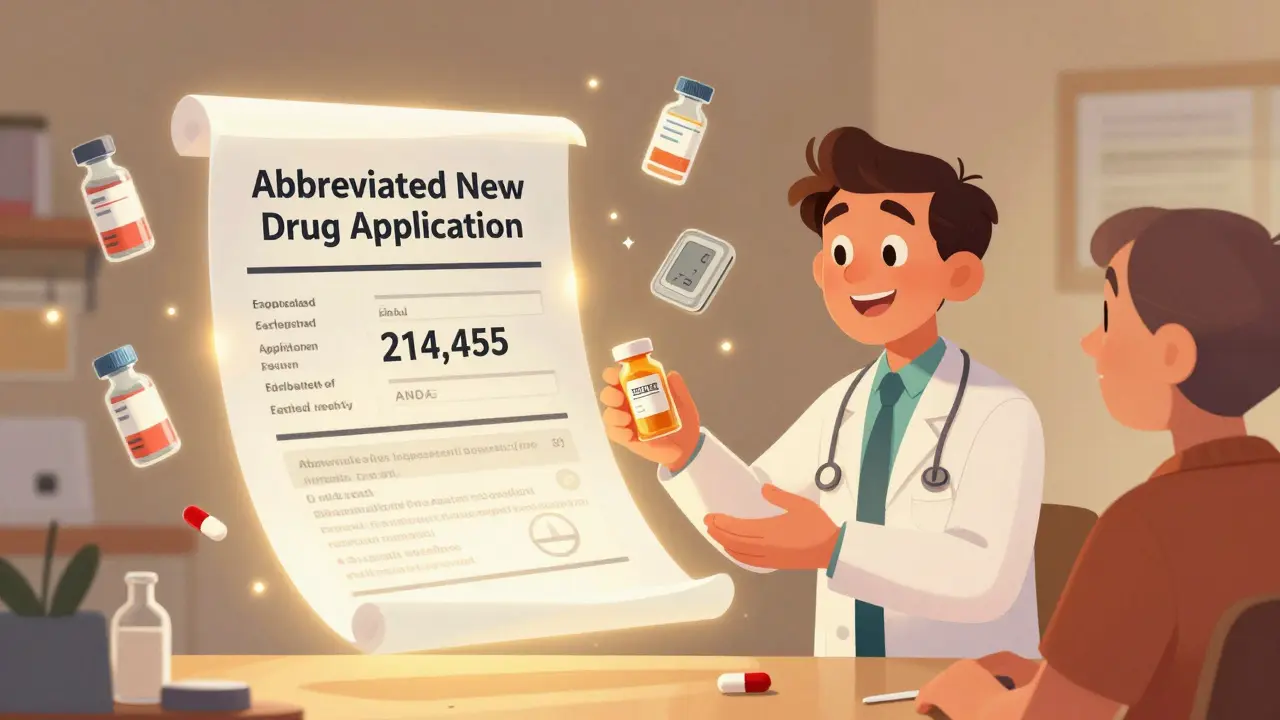
An ANDA, or Abbreviated New Drug Application, is the FDA pathway that allows generic drugs to enter the market without repeating costly clinical trials. It saves billions annually and makes essential medicines affordable.
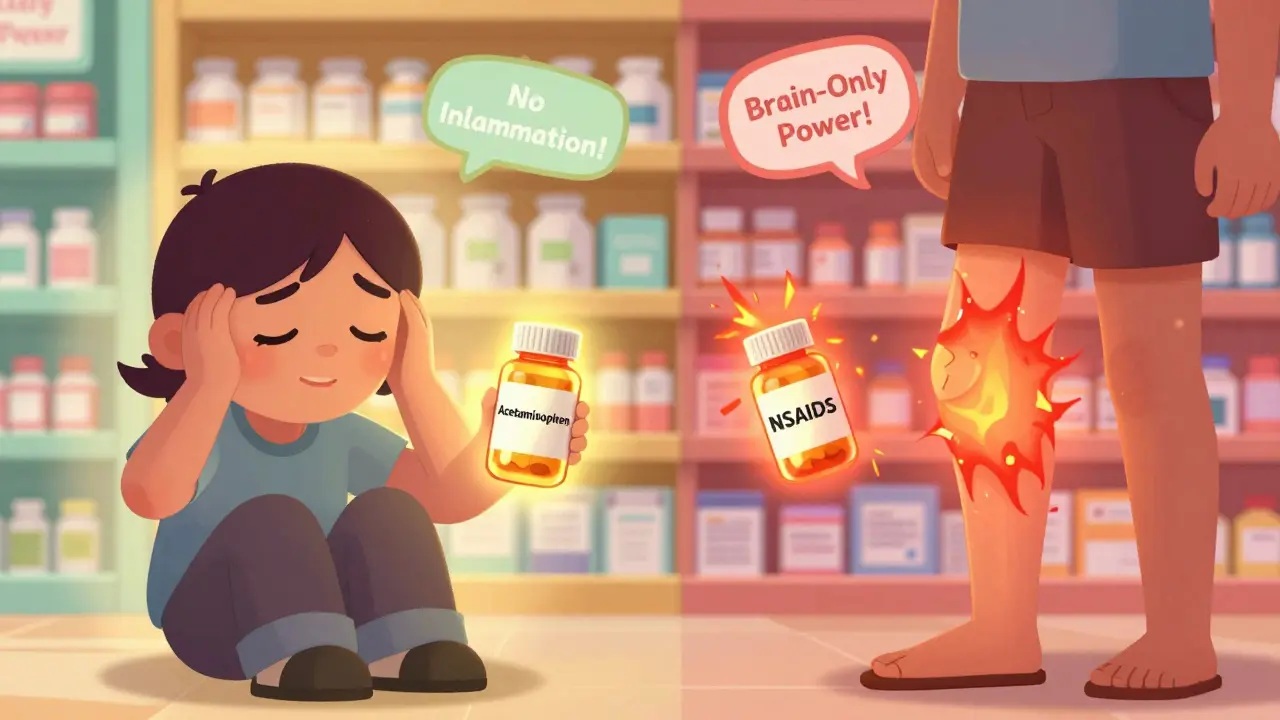
Learn how to choose between acetaminophen and NSAIDs for OTC pain relief. Discover which works best for headaches, arthritis, and inflammation-and how to avoid dangerous side effects.
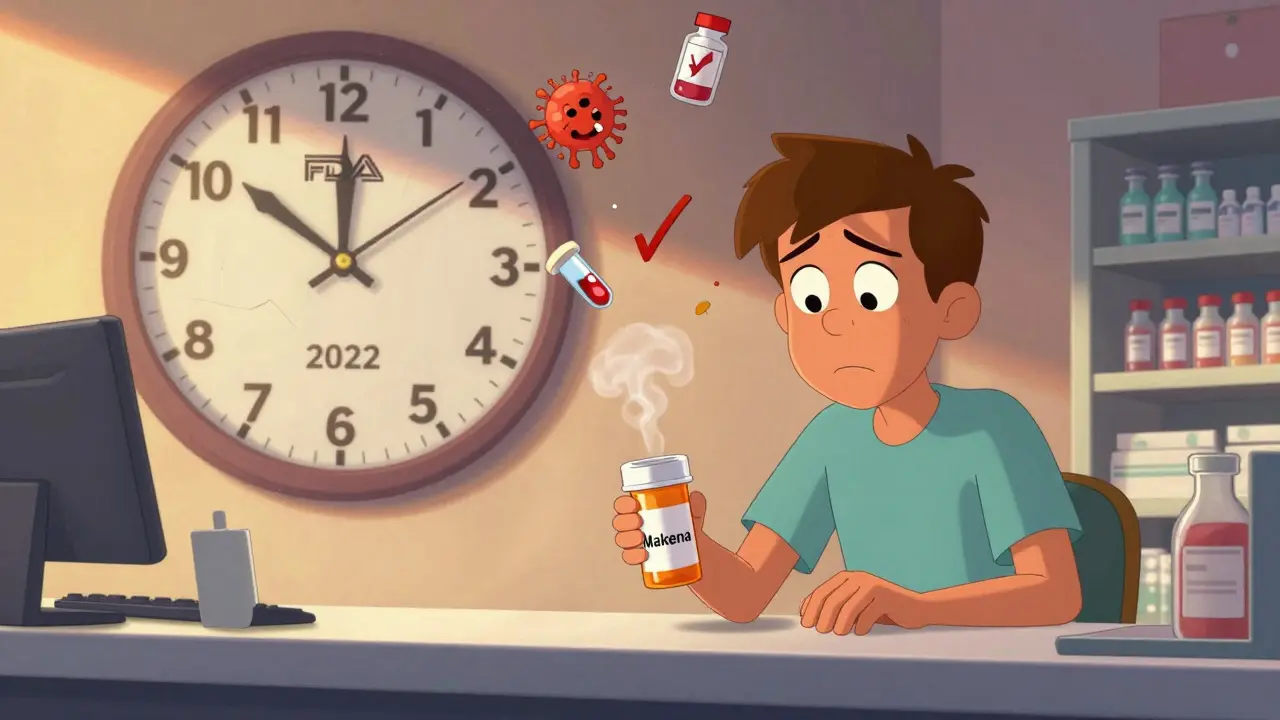
Medications get pulled from the market when they're unsafe or ineffective. Learn how the FDA decides to withdraw drugs, why it took so long in the past, and how new 2023 rules are changing the game for patient safety.
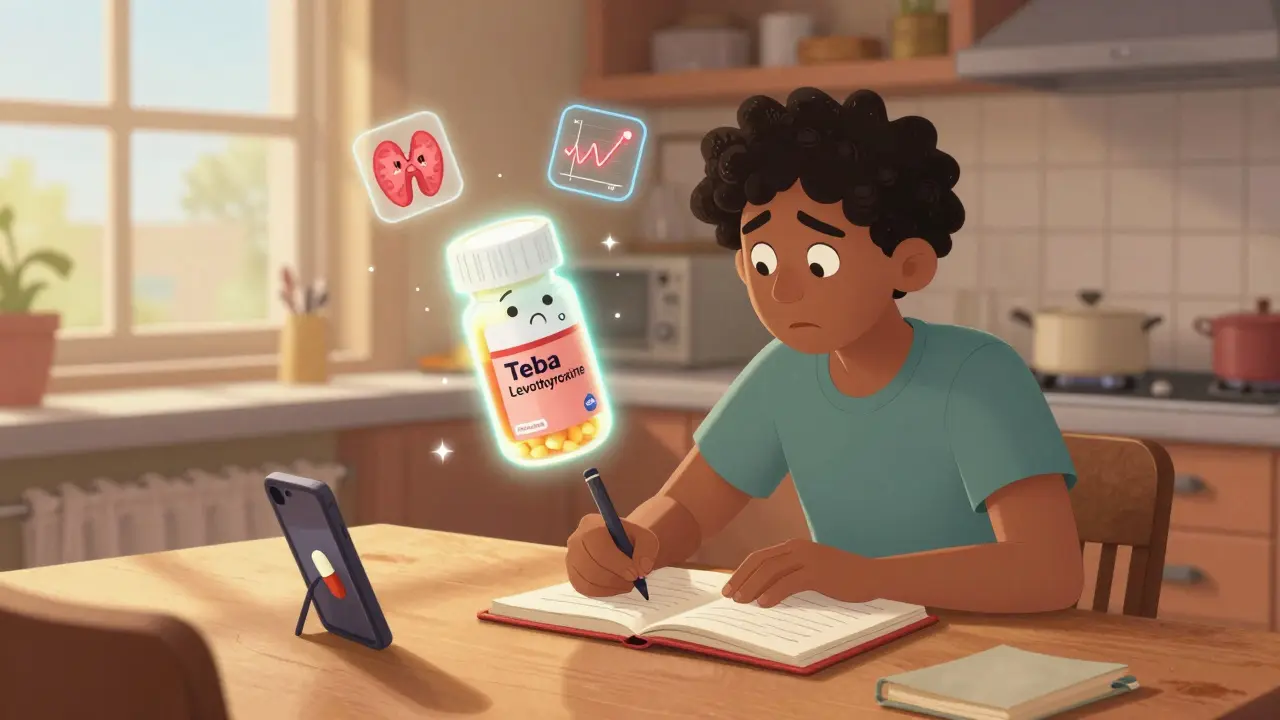
Keep a medication journal to track how your body reacts when switching to generic drugs. Learn what to record, which medications need it most, and how to use your journal to talk to your doctor.
Jan, 11 2026
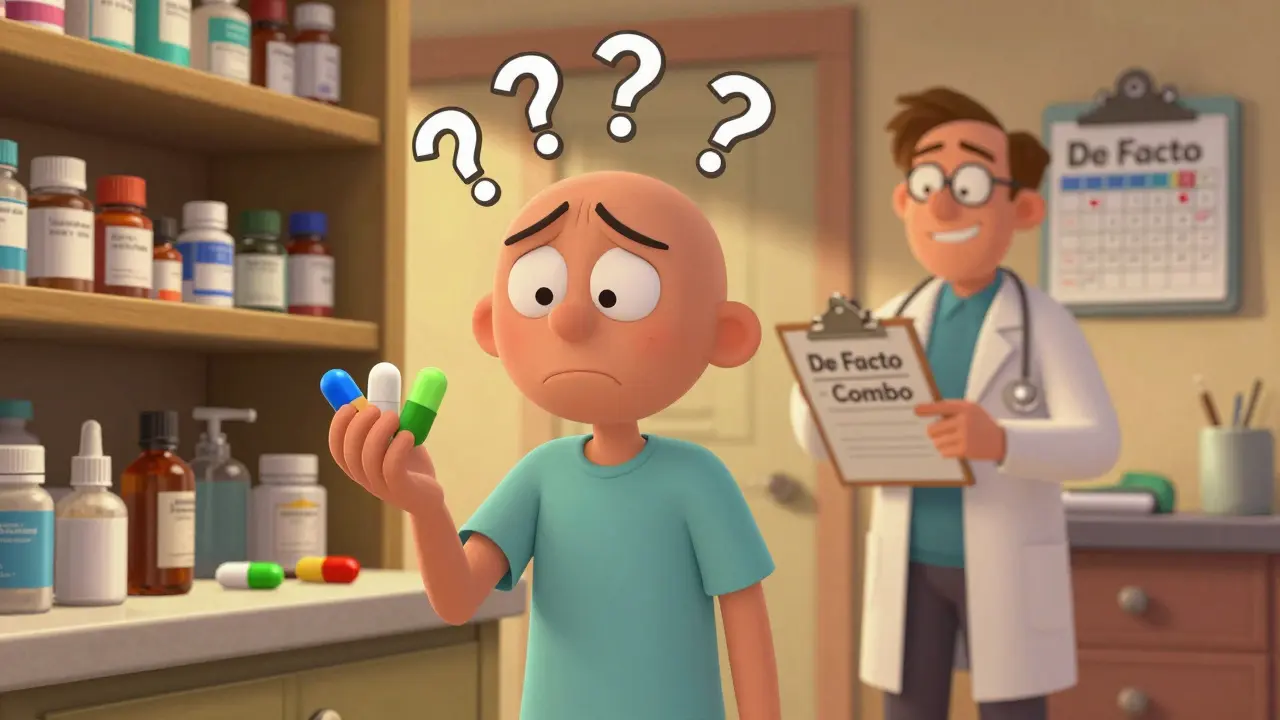
Many patients take separate generic pills instead of fixed-dose combinations (FDCs) to save money or get flexible dosing. But this 'de facto combination' can be risky - with untested interactions, lower adherence, and hidden safety issues. Here’s what you need to know.