Category: Medicines and Drugs - Page 5
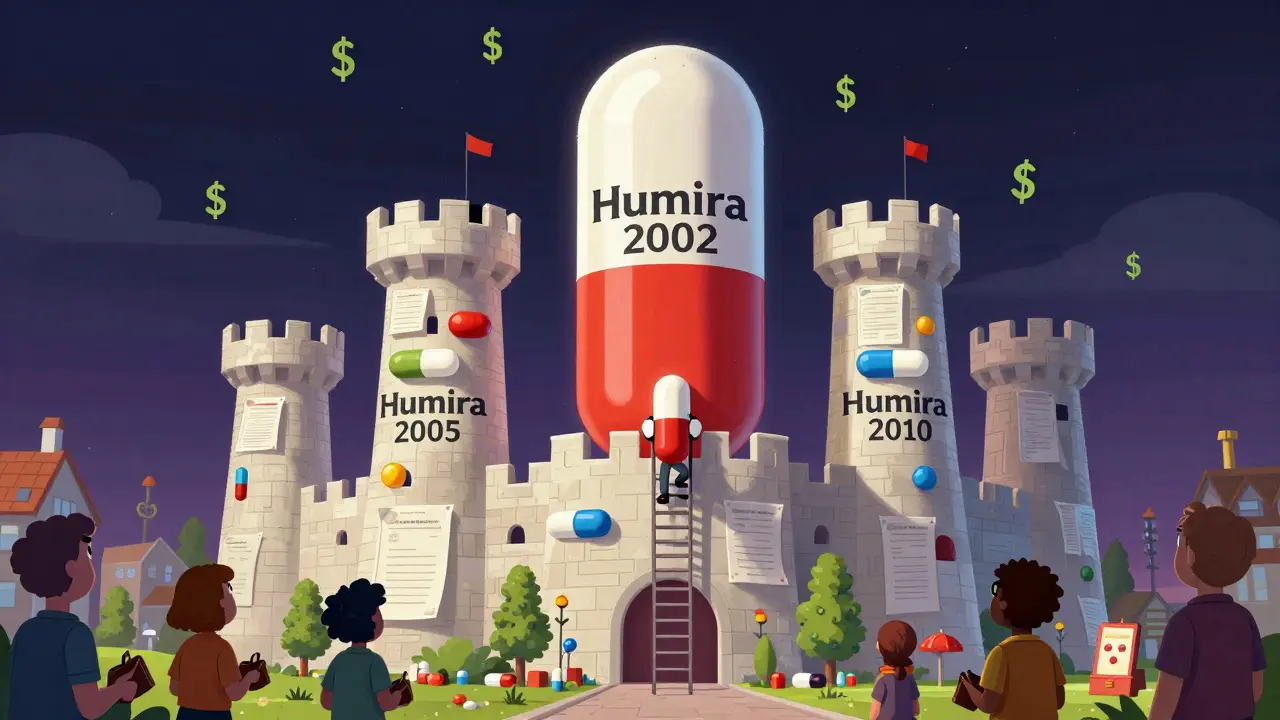
Evergreening lets pharmaceutical companies extend drug patents with minor tweaks, blocking cheaper generics and keeping prices high. Learn how this legal strategy impacts drug access and what’s being done to stop it.
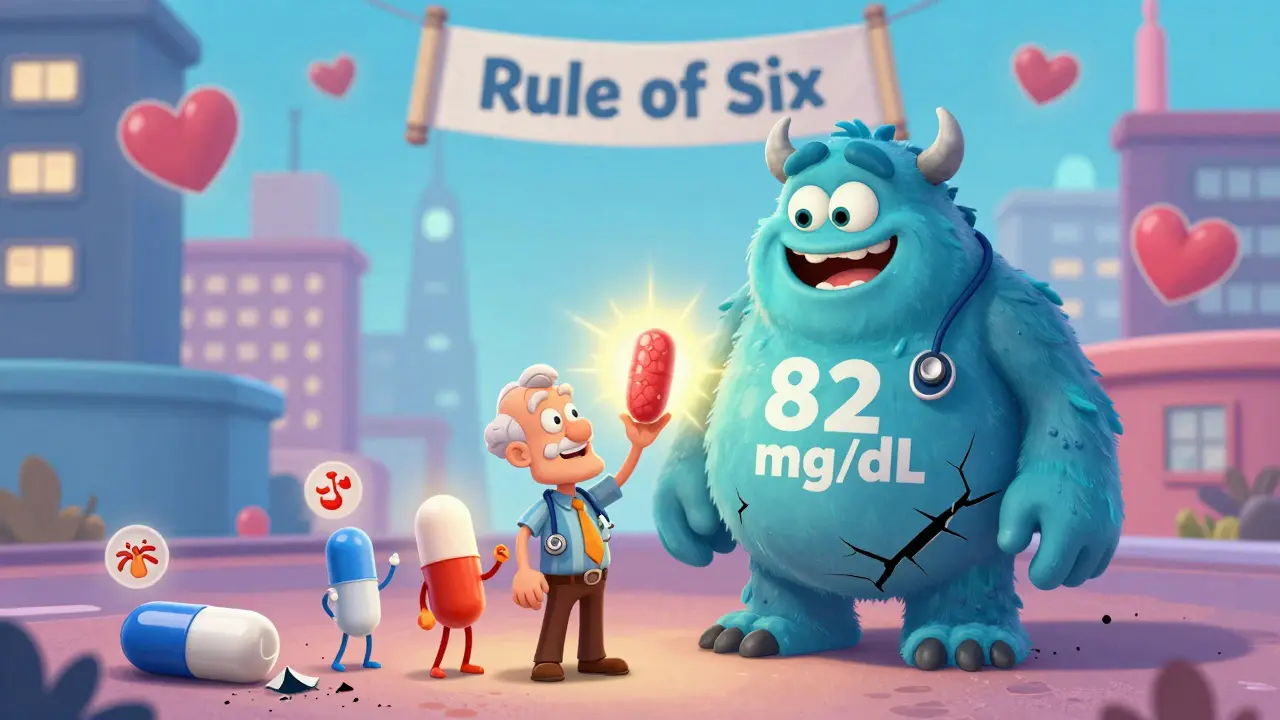
Combination cholesterol therapy with lower statin doses and non-statin drugs like ezetimibe lowers LDL more safely than high-dose statins alone. It’s now recommended for high-risk patients and works better with fewer side effects.
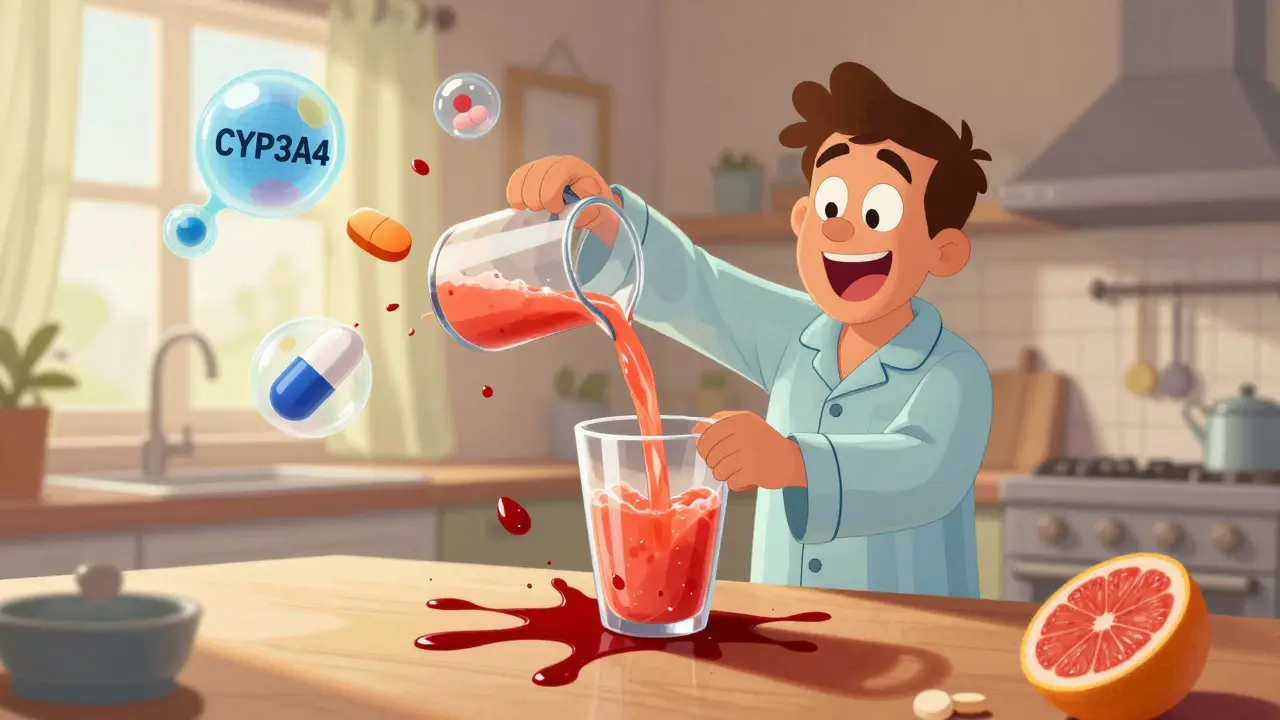
Grapefruit can dangerously interfere with warfarin and certain SSRIs by blocking CYP450 enzymes that break down medications. Learn which drugs are at risk, why timing doesn't help, and what to do to stay safe.
Dec, 20 2025
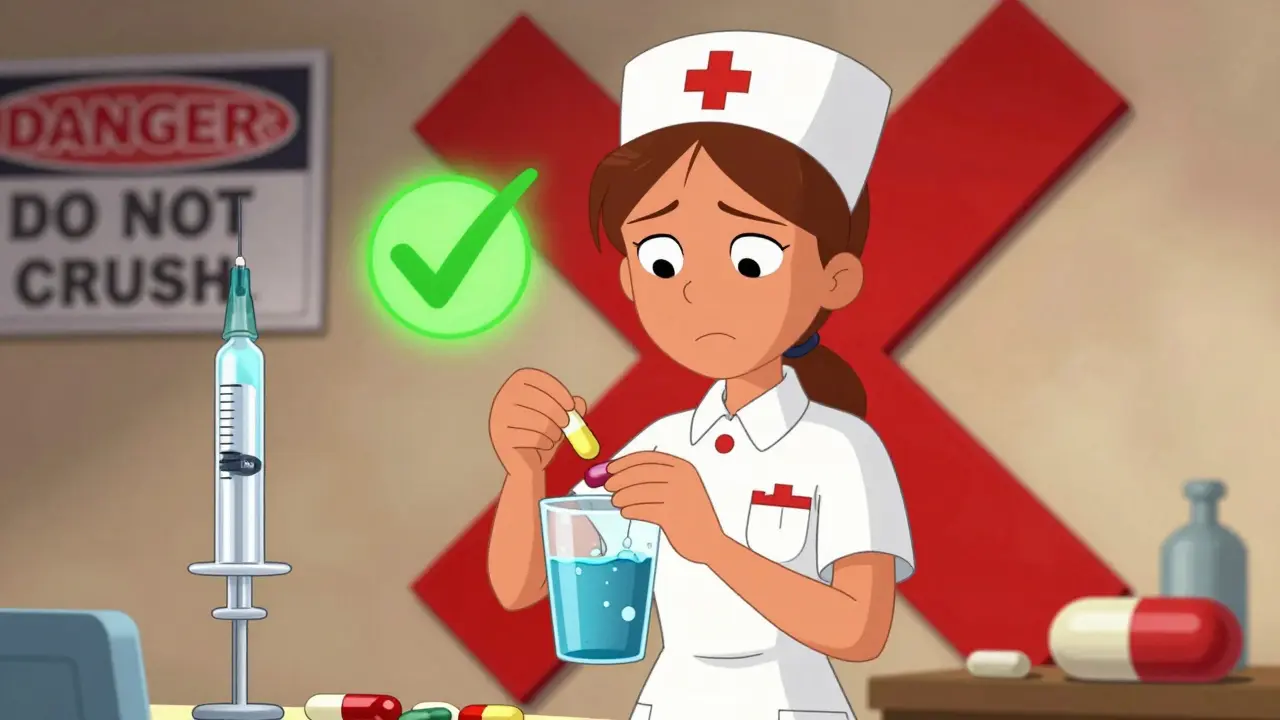
Learn how to safely administer medications through feeding tubes with proper flushing, compatibility checks, and dosing protocols. Avoid blockages, toxicity, and treatment failure with evidence-based practices.
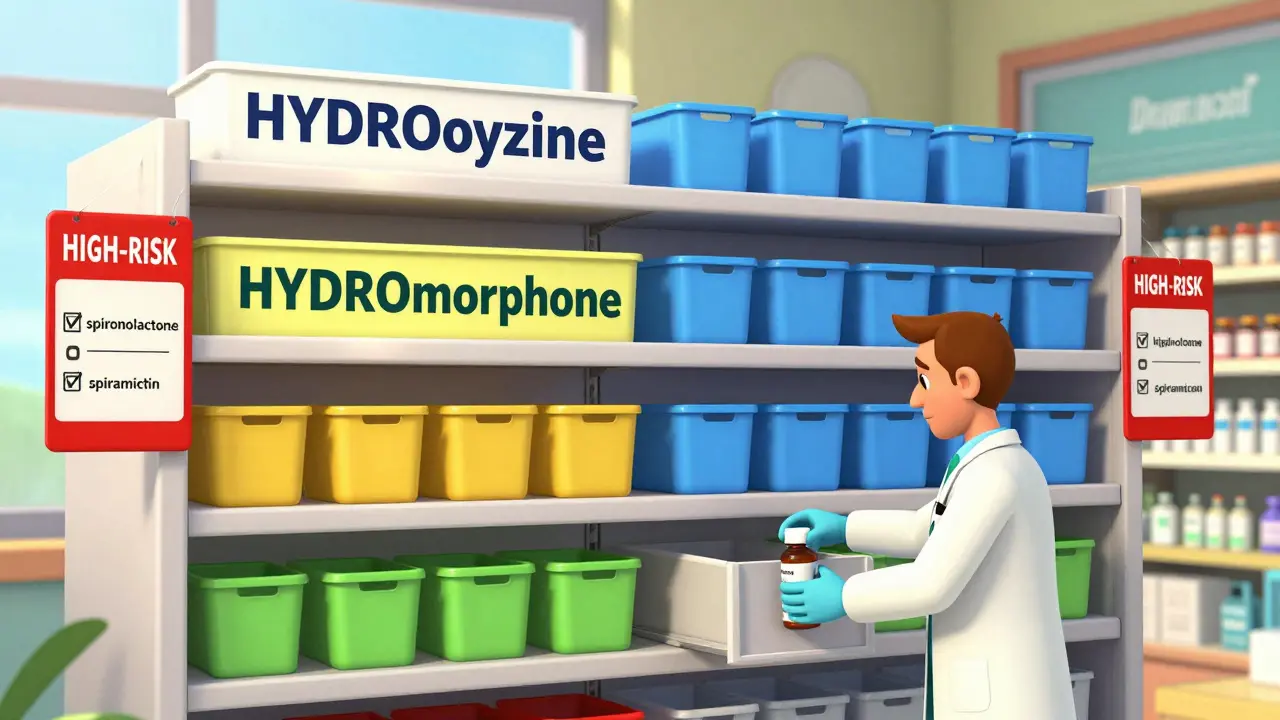
Look-alike packaging in pharmacies causes thousands of preventable medication errors each year. Learn how physical separation, Tall Man Lettering, and barcode scanning can stop mistakes before they happen.

Understanding how AUD medications like naltrexone, acamprosate, and disulfiram reduce relapse risk-and why many people still return to drinking despite treatment. Evidence-based insights for better recovery outcomes.

The FDA's Purple Book is the official guide to biosimilars and interchangeable biological products in the U.S. Learn how it works, why interchangeability matters, and how to find approved products for safer, lower-cost treatment options.

Clarithromycin can cause life-threatening interactions with common drugs like statins, colchicine, and heart medications. Learn which combinations to avoid and safer alternatives that protect your health.
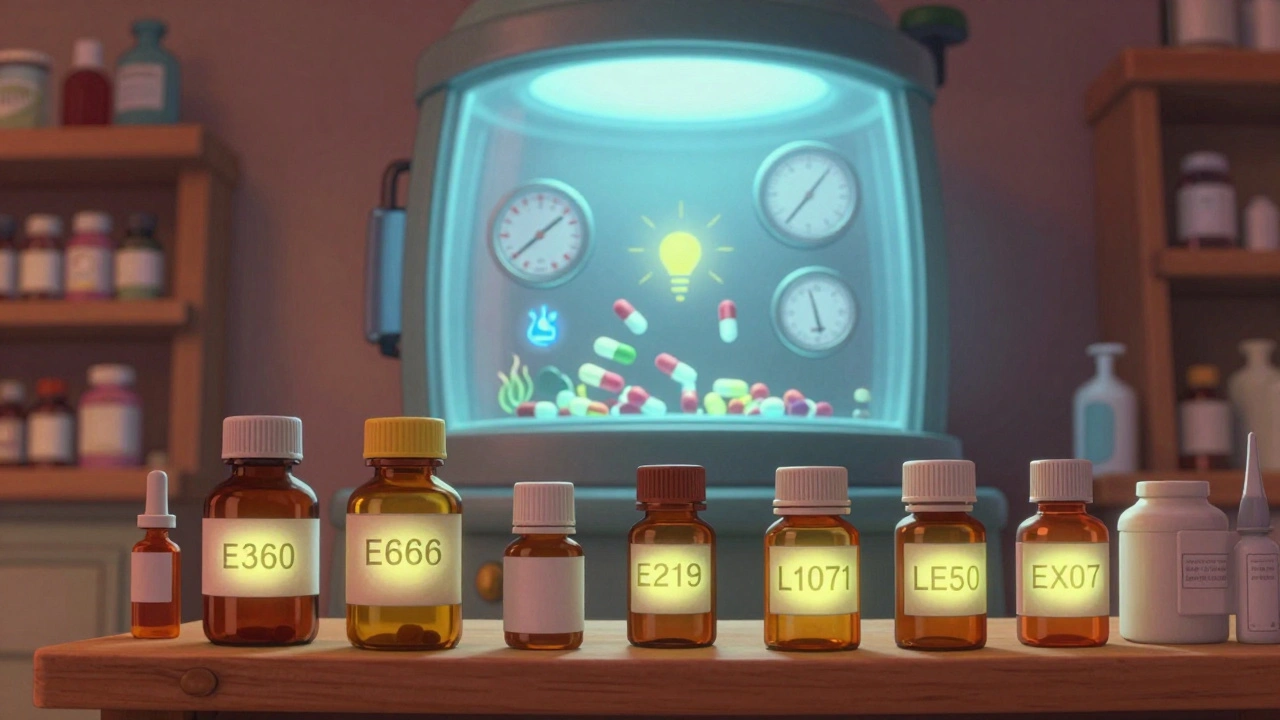
Stability testing ensures pharmaceuticals remain safe and effective after manufacturing. Learn how ICH guidelines, real-time monitoring, and advanced analytics protect drug quality over time.
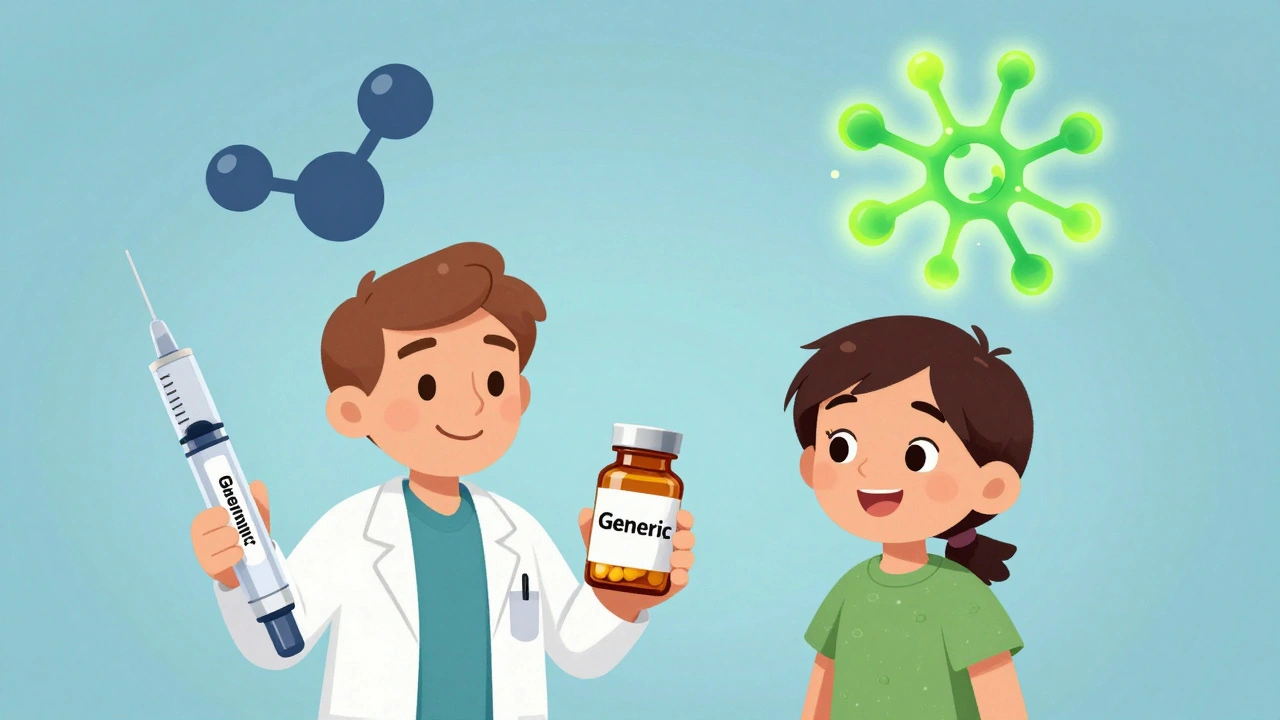
Learn the key differences between biosimilars and generic drugs to make informed treatment choices. Understand cost savings, safety, substitution rules, and how to ask the right questions for your care.